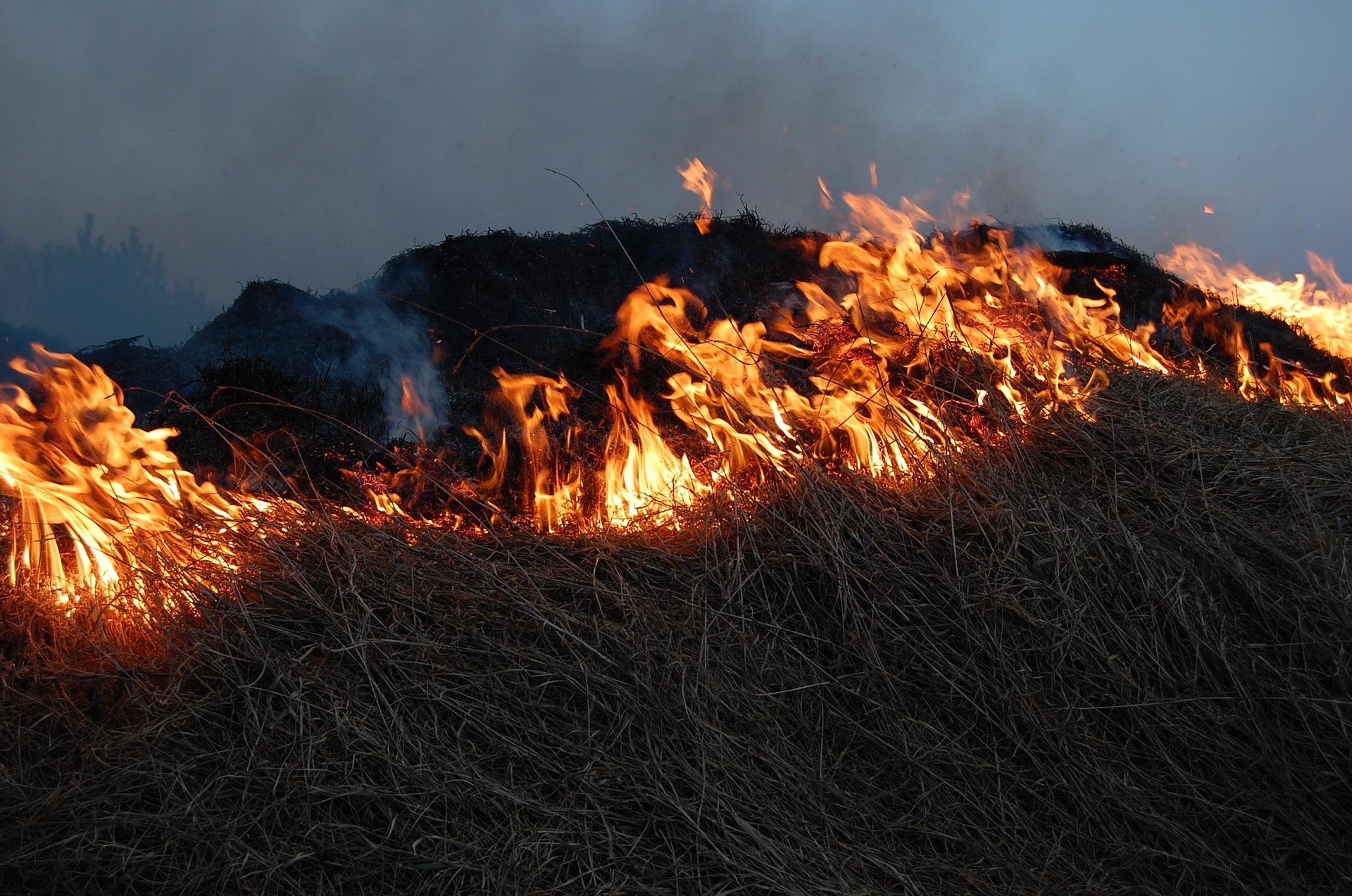
[Jakarta, 28 May 2020] The first results-based payment of USD 56 million (approximately IDR 840 billion) from Norway, awarded for Indonesia’s success in reducing deforestation and forest degradation, should serve as a catalyst for all stakeholders to more seriously pursue economic development without forest destruction. President Joko Widodo’s directive to allocate these funds to community-based forest and environmental restoration programs is highly appropriate.
Social forestry programs, for example, have the potential to contribute up to 34.6 percent toward achieving Indonesia’s Nationally Determined Contribution (NDC) target from reduced deforestation, particularly if they are focused on high-deforestation-risk areas and supported with strong assistance for local economic development aligned with climate mitigation and adaptation efforts.
In line with this, the Environmental Fund Management Agency (BPDLH)—mandated to manage the funds—must promptly ensure multi-stakeholder representation within its governance structure, including civil society organizations and Indigenous/local communities, so that deforestation and forest degradation reduction programs are truly well-targeted and beneficial for communities.
This was conveyed by Muhammad Teguh Surya, Executive Director of Yayasan Madani Berkelanjutan, in response to a decade of cooperation between the Governments of Indonesia and Norway on reducing emissions from deforestation and forest degradation.
After a decade of preparation and transformation phases, Indonesia entered the results-based payment phase this year, marked by the first payment of USD 56 million from the Norwegian Government for Indonesia’s success in reducing 11.2 million tons of CO₂e emissions from deforestation and forest degradation during the 2016–2017 period. The funds will be disbursed through the Environmental Fund Management Agency (BPDLH), which was officially launched in October last year.
Previously, the Government of Indonesia announced that gross deforestation in 2018–2019 amounted to 465,500 hectares, while net deforestation reached 462,400 hectares.
“Madani appreciates the decline in Indonesia’s deforestation rate, although the reduction remains modest, as a result of various corrective policies issued by the government and strong international cooperation with partner countries, including Norway. This equal and mutually respectful partnership must be continued and strengthened by placing greater emphasis on data and information transparency, participation, and respect for the rights of Indigenous Peoples and local communities over forests and natural resources,” added M. Teguh Surya.
“To strengthen Indonesia’s bargaining position within this partnership, a number of critical corrective policies must be continued and reinforced. These include the moratorium on new permits in primary forests and peatlands, the suspension and evaluation of oil palm plantation permits, social forestry—including recognition of customary forests, the development of a roadmap to achieve climate commitments (NDC Roadmap), and the implementation of peatland ecosystem protection regulations. Although deforestation has declined, current figures remain above the threshold required to meet Indonesia’s climate commitments—namely a maximum of 450,000 hectares per year before 2020 and 325,000 hectares per year during 2020–2030. This means Indonesia still faces substantial challenges in meeting its self-imposed targets. These challenges are compounded by legislative initiatives that risk weakening forest and environmental protection regulations in the name of investment—most notably the Job Creation Bill, which could cause Indonesia to fail in achieving its climate commitments,” said Anggalia Putri Permatasari, Knowledge Management Manager at Yayasan Madani Berkelanjutan.
Based on Madani’s analysis of deforestation data from the Ministry of Environment and Forestry (KLHK), Indonesia’s gross deforestation rate showed a declining trend between 2003 and 2018, with a significant spike occurring during 2014–2015, coinciding with the political momentum of national elections.
“Cumulatively, the highest gross deforestation during the 2003–2018 period occurred in Riau Province (1.8 million hectares), followed by Central Kalimantan (1.4 million hectares), East Kalimantan (1.2 million hectares), and West Kalimantan (1.16 million hectares). Meanwhile, Indonesia’s remaining natural forests in 2018 were largest in Papua (24.9 million hectares), West Papua (8.8 million hectares), Central Kalimantan (7.2 million hectares), East Kalimantan (6.5 million hectares), North Kalimantan (5.6 million hectares), and West Kalimantan (5.4 million hectares).
Despite the seemingly large extent of remaining natural forests, those located outside PIPPIB and PIAPS and not yet burdened by permits or concessions (IUPHHK-HA, IUPHHK-HT, oil palm plantations, oil and gas, and mining) are in fact very limited—only 9.5 million hectares (10.7 percent) of the 88.7 million hectares of remaining natural forests in 2018. The largest areas are found in Papua (1.3 million hectares), Maluku (912,000 hectares), East Nusa Tenggara (857,000 hectares), Central Kalimantan (855,000 hectares), Central Sulawesi (821,000 hectares), East Kalimantan (586,000 hectares), and North Maluku (581,000 hectares),” explained Fadli Ahmad Naufal, GIS Specialist at Yayasan Madani Berkelanjutan.
“These 9.5 million hectares of remaining natural forests must be urgently protected through an expanded moratorium on new permits, so they are not lost to large-scale permit and concession expansion—which would undermine Indonesia’s climate commitments. In addition, the policy on the suspension and evaluation of oil palm plantation permits, currently scheduled to end next year, must be extended and expanded into a comprehensive moratorium on oil palm permits across all areas that still contain natural forests, both inside and outside forest zones. This is essential for Indonesia’s palm oil sector to shed the stigma of deforestation that continues to tarnish its image in global markets,” concluded M. Teguh Surya.
Contacts:
Muhammad Teguh Surya
Executive Director, Yayasan Madani Berkelanjutan
Phone: +62 812 9480 1453Anggalia Putri Permatasari
Knowledge Management Manager, Yayasan Madani Berkelanjutan
Phone: +62 856 2118 997Luluk Uliyah
Senior Communication Officer, Yayasan Madani Berkelanjutan
Phone: +62 815 1986 8887