[Jakarta, 23 October 2018] Sixty-three percent (63%) of Indonesia’s land area is designated as forest zone, with natural forest cover reaching 89.4 million hectares, or 47.5% of Indonesia’s total land area. Meanwhile, Indonesia’s carbon-rich peatlands cover approximately 15 million hectares.
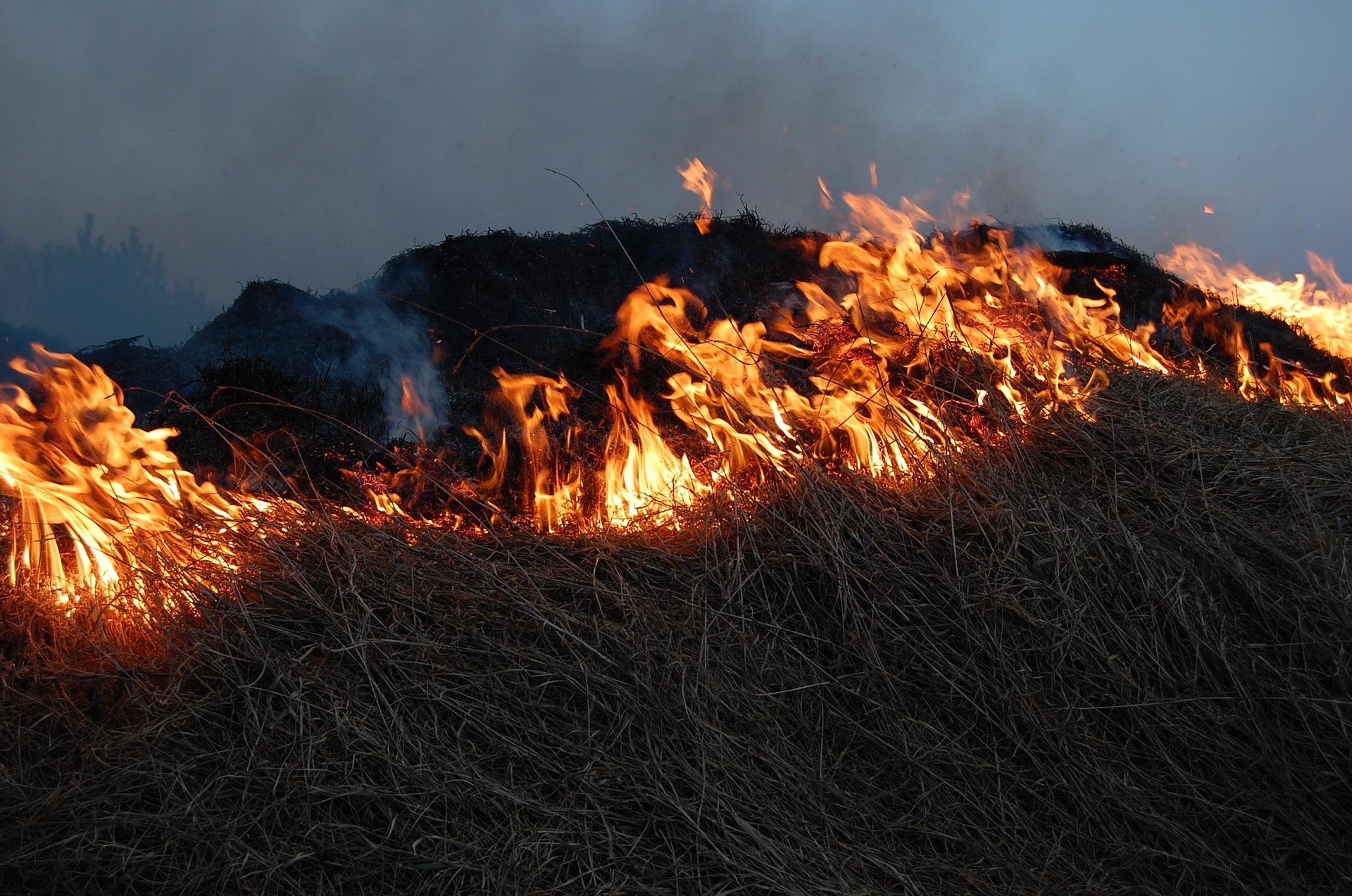
Unfortunately, over the 73 years of Indonesia’s independence, forests and peatlands have not been managed properly. Instead, they have become the country’s largest source of greenhouse gas emissions—63% in 2010 and 47.8% in 2016—due to land-use change, deforestation, and forest and peatland fires (karhutla).
Although the forestry sector once played a major role in driving economic growth, its contribution to the national economy has steadily declined. At the same time, licensing corruption that weakens overall forest and land governance remains widespread at both national and subnational levels. According to Prof. Dr. Ir. Hariadi Kartodihardjo of Bogor Agricultural University, the potential value of bribery linked to licensing processes in Indonesia reaches IDR 51 trillion per year, including the assessment and approval of Environmental Impact Assessments (AMDAL).
Amid these complex challenges, the 2019 Presidential Election brings both hope and risk for Indonesia’s environment and natural resources. The strength of political leadership shown by the elected President and Vice President for 2019–2024 will greatly influence the future of forests and peatlands. At the most fundamental level, such leadership is reflected in the candidates’ visions, missions, and action programs during the election period.
Recognizing the importance of these commitments, Yayasan Madani Berkelanjutan reviewed the Nawacita II document released by Candidate Pair No. 1, Joko Widodo and Ma’ruf Amin, from the perspective of Articles 28H and 33 of the 1945 Constitution—namely, the right of Indonesians to a healthy environment and the governance of land, water, and natural resources for the greatest public welfare.
Five key issues highlighted in the analysis include:
sustainable forest and peatland management,
inequality in land tenure,
law enforcement and corruption,
Indigenous Peoples, and
renewable energy.
Overall, Jokowi–Ma’ruf’s vision and mission support sustainable environmental management through three action programs and thirteen policy points focusing on integrated spatial planning, climate change mitigation, law enforcement, and environmental rehabilitation.
However, of the 260 detailed program points in Nawacita II, only 20% relate to sustainable environmental issues. About 17% concern forest and peatland governance, land inequality, and law enforcement, while issues of Indigenous rights protection and renewable energy account for only around 3%.
Compared to Nawacita I, Nawacita II removes many specific and detailed targets related to environmental protection, forest and peatland safeguards, and Indigenous Peoples’ rights. Tenurial conflict resolution is no longer explicitly mentioned, while agrarian reform policies have expanded. In addition, although anti-corruption is referenced, corruption in natural resource governance is not specifically addressed.
Environmental advocates and experts in renewable energy, forests, and peatlands emphasized that wise steps expected from the elected President and Vice President for 2019–2024 must be clearly reflected in the candidates’ platforms.
Forest Watch Indonesia stressed the importance of transparency in licensing information, including public access to related documents and maps.
“The public needs not only transparency in the licensing system, but also monitoring and evaluation of its impacts,” said Soelthon Nanggara, Executive Director of Forest Watch Indonesia.
“Regulations on information disclosure already exist, but what matters most is how public institutions implement open data access for society.”
Meanwhile, I Nyoman Suryadiputra, Director of Wetlands International Indonesia, outlined five key steps that the next President must take to strengthen peatland protection:
Require concession holders on peatlands to remap peat distribution within their concessions, including peat depth, water conditions, and productivity.
Develop a roadmap to phase out plantations and industrial timber operations reliant on peatland drainage.
Ensure simultaneous and immediate peat rehabilitation within Peat Hydrological Units (KHG), particularly rewetting efforts, supported by incentives and sanctions.
Prepare strategies to address climate change and land subsidence impacts in coastal areas threatening peatlands and mangroves.
Impose a moratorium on mangrove clearing permits for at least five years, expand mangrove coverage, and make peatland and primary forest moratoriums permanent by designating them as protected areas.
On renewable energy, Rebekka Angelyn, Executive Director of Koaksi Indonesia, emphasized the need for the elected leadership to accelerate energy transition by prioritizing renewable energy and energy efficiency as the first option in electricity planning, based on local potential and supported by policy, financing, technology, and capacity-building.
“In particular, biofuel policies must be monitored and evaluated from upstream to downstream, ensuring they account not only for economic interests but also social and environmental concerns,” she said.
She concluded:
“Commitment to sustainable development must also be reflected in improved energy governance that upholds accountability, transparency, public participation, law enforcement, and a just transition away from fossil fuels through comprehensive recovery efforts.”
Prof. Hariadi Kartodihardjo further emphasized that eradicating corruption is a critical leverage point for addressing these challenges.
“Two structural issues accumulated over time are the clear mismatch between field realities and government data, and persistent conflicts of interest among policymakers,” he explained.
Therefore, the government must examine on-the-ground realities more carefully to ensure visions and programs address the correct problems. Reforming bureaucratic performance metrics, incentive systems, and information transparency is urgently needed so that governance focuses on substantive issues, not merely administrative processes.
Anti-corruption must be the foundation and prerequisite for all other efforts.
“Without fixing licensing corruption, initiatives such as certification, legality verification, CSR instruments, moratoriums, social forestry, and agrarian reform become only second-best solutions. Even the One Map Policy may stall because transparency in licensing cannot be achieved while corruption persists,” he warned.
Whoever leads Indonesia over the next five years must respond to these five major challenges through synergy and collaboration with all stakeholders, including the Corruption Eradication Commission (KPK).
“These issues transcend political regimes. Reforms initiated by previous governments must not be interrupted, but instead become benchmarks to be exceeded by future administrations,” concluded Muhammad Teguh Surya, Executive Director of Yayasan Madani Berkelanjutan.
Media Contacts
Muhammad Teguh Surya
Executive Director, Yayasan Madani Berkelanjutan
teguh.surya@madaniberkelanjutan.id | +62 819-1519-1979Anggalia Putri Permatasari
Director of Forest and Climate Change Program
anggalia.putri@madaniberkelanjutan.id | +62 856-2118-997Melodya Apriliana
Digital Communication Campaigner
melodya.a@madaniberkelanjutan.id | +62 838-4227-2452