[Jakarta, 28 July 2021] Yayasan Madani Berkelanjutan welcomes the Indonesian government’s effort to strengthen its climate commitment through the Updated Nationally Determined Contribution (Updated NDC). In the document submitted to the UNFCCC on 21 July 2021, the government increased its adaptation ambition by outlining more concrete actions, including adaptation in the marine sector, reducing deforestation and forest degradation, expanding social forestry, and integrating climate action with other key issues such as biodiversity.
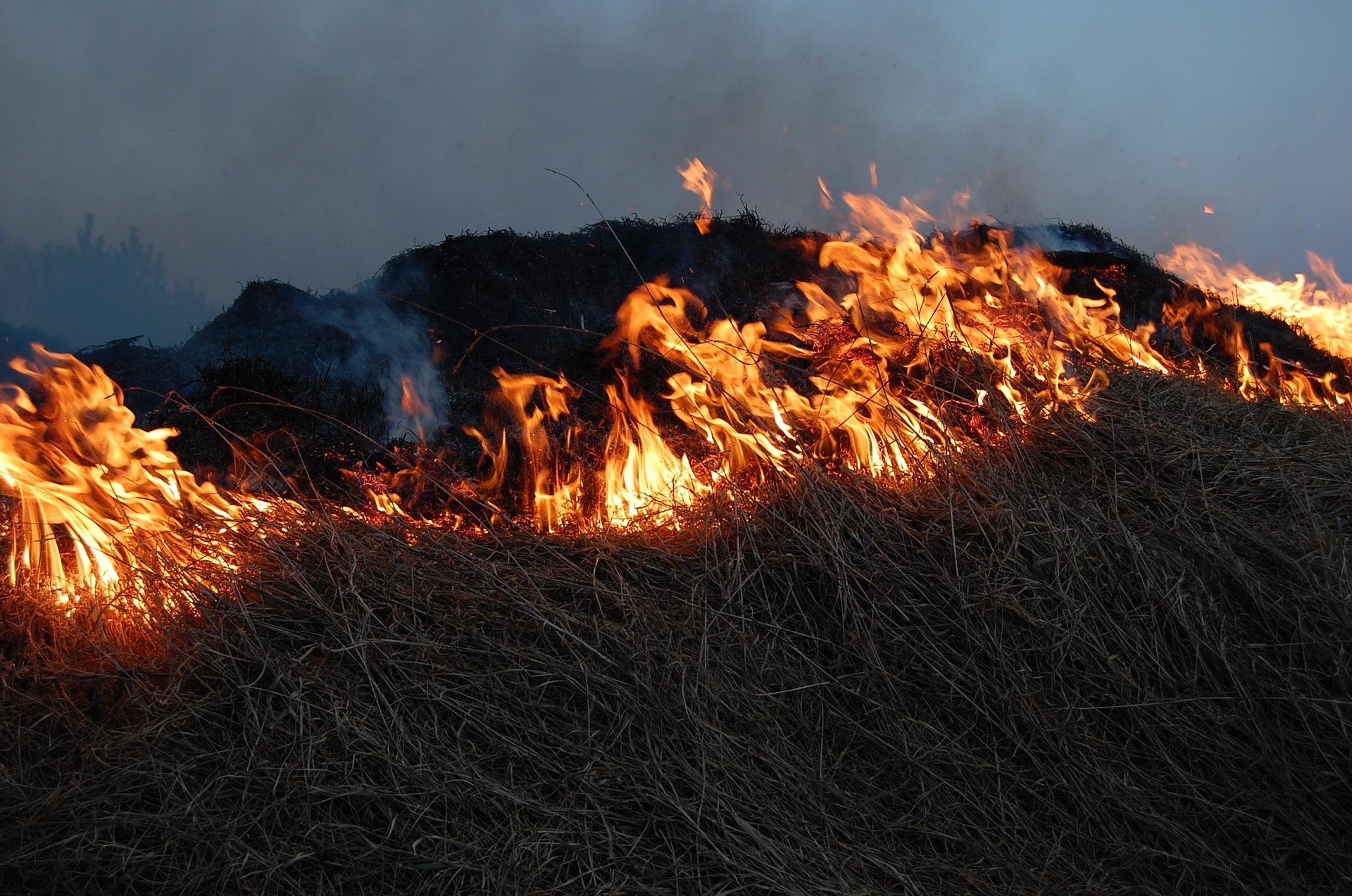
“Beyond 2030, Indonesia’s Updated NDC states the country’s commitment to transition toward a long-term low-carbon and climate-resilient development strategy. Making the forestry and land-use sector a net carbon sink by 2030—if seriously implemented—would provide strong momentum to further reduce deforestation and degradation, stop forest and land fires, and end peatland drainage.
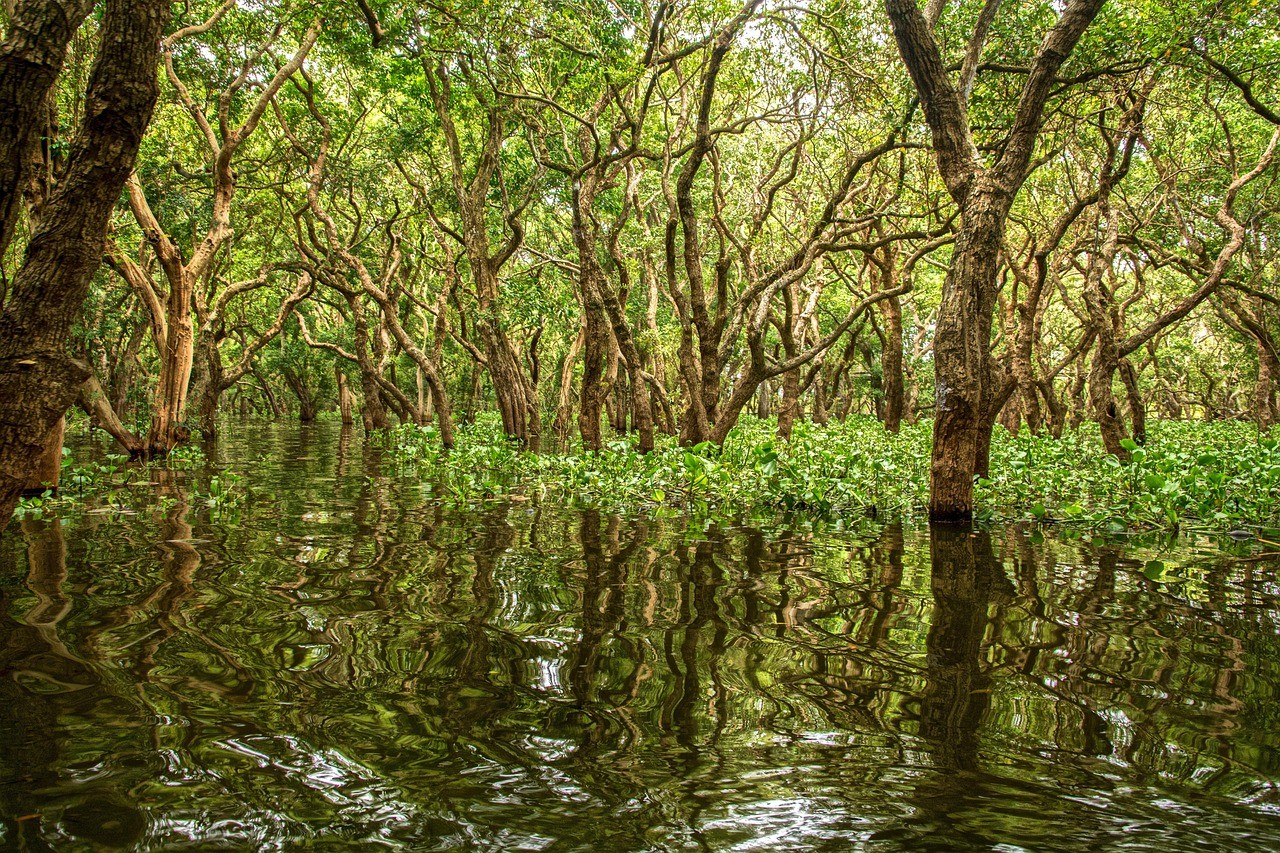
However, this must be supported by consistent sectoral development policies aligned with efforts to reduce deforestation and ecosystem degradation, including peat restoration and mangrove rehabilitation. Policy consistency is the key to achieving Indonesia’s climate commitments,” said Nadia Hadad, Executive Director of Yayasan Madani Berkelanjutan.
She added that achieving the NDC targets requires collaboration from all stakeholders. “Data transparency and public participation in policymaking are essential so that communities, civil society, and the private sector can actively contribute to low-carbon and climate-resilient development.”
Indonesia’s projected net zero emission target of 2060 represents progress compared to the previous 2070 timeline. “Still, it would be more ideal if Indonesia committed to a more ambitious net zero target to accelerate the transition to renewable energy and improve land-use governance,” Nadia said.
Nadia further emphasized that sectoral development policies must be aligned with the Updated NDC and the Indonesia FOLU 2030 agenda. Key measures include halting the expansion of oil palm plantations into natural forests and peatlands, and reviewing plantation permits that still contain natural forest cover. Increasing palm oil productivity and empowering smallholders should become the government’s priority, rather than expanding plantation areas. In this context, extending the palm oil moratorium is a critical step toward achieving the Updated NDC and Indonesia FOLU 2030.
The government should also re-evaluate the Food Estate program, which in its current planning overlaps with large areas of natural forest and peatland.
“Approximately 1.5 million hectares of natural forest are included in the Food Estate Areas of Interest (AoI) across four provinces, with an estimated timber value exceeding IDR 200 trillion. If these forests are cleared, the policy would contradict Indonesia’s climate commitments and long-term food security goals. It is also important to expand and accelerate peatland restoration for the 2021–2024 period to minimize forest and land fires—not only in areas under the Peatland and Mangrove Restoration Agency (BRGM), but also within corporate concession areas. There must be no further peatland clearing and drainage, including for National Strategic Projects such as Food Estate and energy projects,” said Yosi Amelia, Forest and Climate Program Officer at Yayasan Madani Berkelanjutan.
Another critical NDC-aligned policy is accelerating social forestry implementation and the recognition of Indigenous Peoples’ rights, territories, and customary forests, integrated with emission reduction actions and community climate resilience at the local level. Environmental funding managed by the Environmental Fund Management Agency (BPDLH), established in October 2019, should prioritize strengthening community rights and livelihoods.
“Equally important is ensuring that biofuel policies—such as biodiesel within the national energy mix—do not drive deforestation, degradation, or fires. This requires integrated land-use planning and strong safeguards to prevent biofuel development from clearing natural forests and peatlands. Most importantly, biofuel feedstock should not compete with food and feed, and could instead be sourced from waste or residues,” said M. Arief Virgy, Junior Program Officer for Biofuel at Yayasan Madani Berkelanjutan.
The transformation of Indonesia’s energy and land-use systems must begin now to achieve the Net Zero Emission vision sooner. Indonesia cannot afford to wait until after 2030 to drastically cut emissions. This transformation must start by aligning all sectoral development policies with the climate commitments already set.
Media Contacts:
Nadia Hadad – Executive Director, Yayasan Madani Berkelanjutan
+62 811 132 081
Yosi Amelia – Forest and Climate Program Officer
+62 813 2217 1803
M. Arief Virgy – Junior Program Officer, Biofuel
+62 859 2614 0003
Luluk Uliyah – Senior Media Communication
+62 815 1986 8887