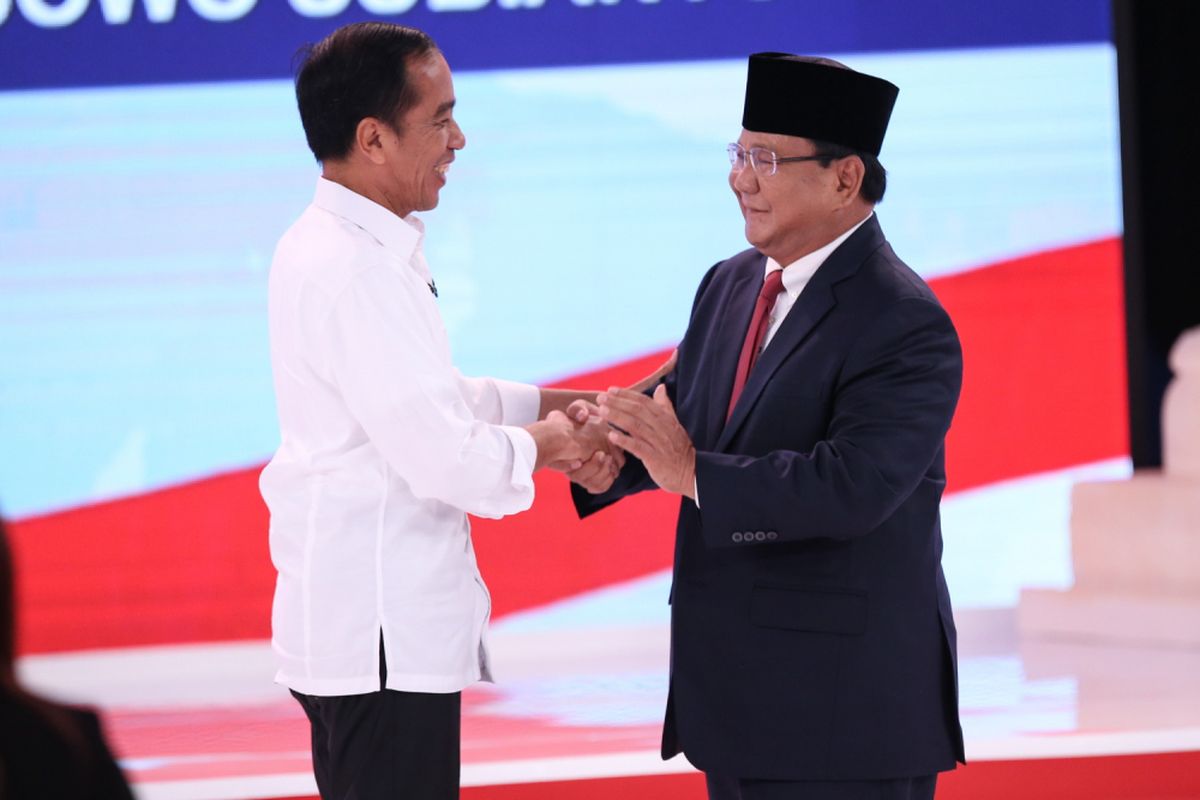
[Jakarta, 18 February 2019] The two presidential candidates competing in Indonesia’s second presidential debate, held by the General Elections Commission (KPU) last night, failed to recognize national climate commitments as the underlying thread and determining factor across the five debate themes: infrastructure, food, energy, natural resources, and the environment.
These findings were shared during the discussion “Recap of the Second Presidential Debate and What Must Be Strengthened Regarding National Climate Commitments,” organized by Yayasan Madani Berkelanjutan on Monday, 18 February 2019 in Kemang, South Jakarta.
Overall, Presidential Candidate Pair No. 1, Joko Widodo, emphasized a range of policies, programs, and projects related to the debate themes, but did not sufficiently elaborate on the deeper governance challenges and structural solutions. His responses remained partial and fragmented, lacking a clear connecting framework.
Meanwhile, Presidential Candidate Pair No. 2, Prabowo Subianto, tended to rely on broad “blanket concepts” such as self-reliance, food and energy sovereignty, and national ownership versus foreign control, but provided limited explanation of concrete measures or work programs to achieve these goals.
Infrastructure and Climate Vulnerability Overlooked
On infrastructure, Jokowi highlighted achievements during his administration, including rural road development, irrigation units, inter-regional connectivity such as toll roads, maritime highways, airports, and telecommunications infrastructure to support the Fourth Industrial Revolution. Prabowo, on the other hand, stressed normative points such as public participation in planning, social and environmental impacts, and “infrastructure for the people.”
However, neither candidate acknowledged the close link between infrastructure development and climate change.
Both candidates failed to present a comprehensive infrastructure development design that considers vulnerability to climate impacts or the implications for emission reductions. In addition, their shared focus on compensation mechanisms was misplaced. Instead, what should be prioritized is Free, Prior, and Informed Consent (FPIC) from affected communities before infrastructure projects begin, to ensure benefits and prevent human rights violations.
Food, Energy, and the Palm Oil Blind Spot
On energy and food, Jokowi emphasized maintaining food availability, reserves, and price stability, which Prabowo criticized due to reliance on food imports. Yet again, neither candidate addressed climate change impacts on food production, nor the environmental harm caused by boosting production through monoculture expansion—such as palm oil—which threatens local food diversity.
“Both candidates emphasized palm oil as an alternative fuel to achieve energy self-sufficiency. However, neither provided solutions to the serious social and environmental problems caused by unsustainable palm oil practices, including destruction of intact forests and carbon-rich peatlands,” said Anggalia Putri, Knowledge Management Manager at Yayasan Madani Berkelanjutan.
“Upstream governance policies such as the palm oil moratorium and stronger sustainability standards must be implemented by the elected President, as they are essential for achieving Indonesia’s NDC emission reduction targets in the forest and land sector.”
Renewable Energy Commitments Still Unclear
“Jokowi’s statement about reducing fossil fuel use through biodiesel programs from B20 to B100 is contradictory to his push for increased offshore oil exploration,” said Nuly Nazlia, Acting Executive Director of Koaksi Indonesia.
She noted that Indonesia has targeted a 23% renewable energy mix by 2025, yet the electricity sector remains dominated by coal, contributing 31% of power generation. Dependence on fossil fuels continues to burden the economy both fiscally and environmentally.
Although both candidates spoke about renewable energy development, mechanisms for accelerating renewable energy transition and improving governance in the energy sector remain unclear. Their focus remained heavily on biodiesel expansion up to B100, despite Indonesia’s vast renewable energy potential.
Nuly added that Indonesia risks falling behind globally if it continues prioritizing fossil energy rather than aggressively shifting toward renewable industries—especially given the significant potential for green jobs and the appeal to younger voters.
Natural Resources, Environment, and Climate Commitments Ignored
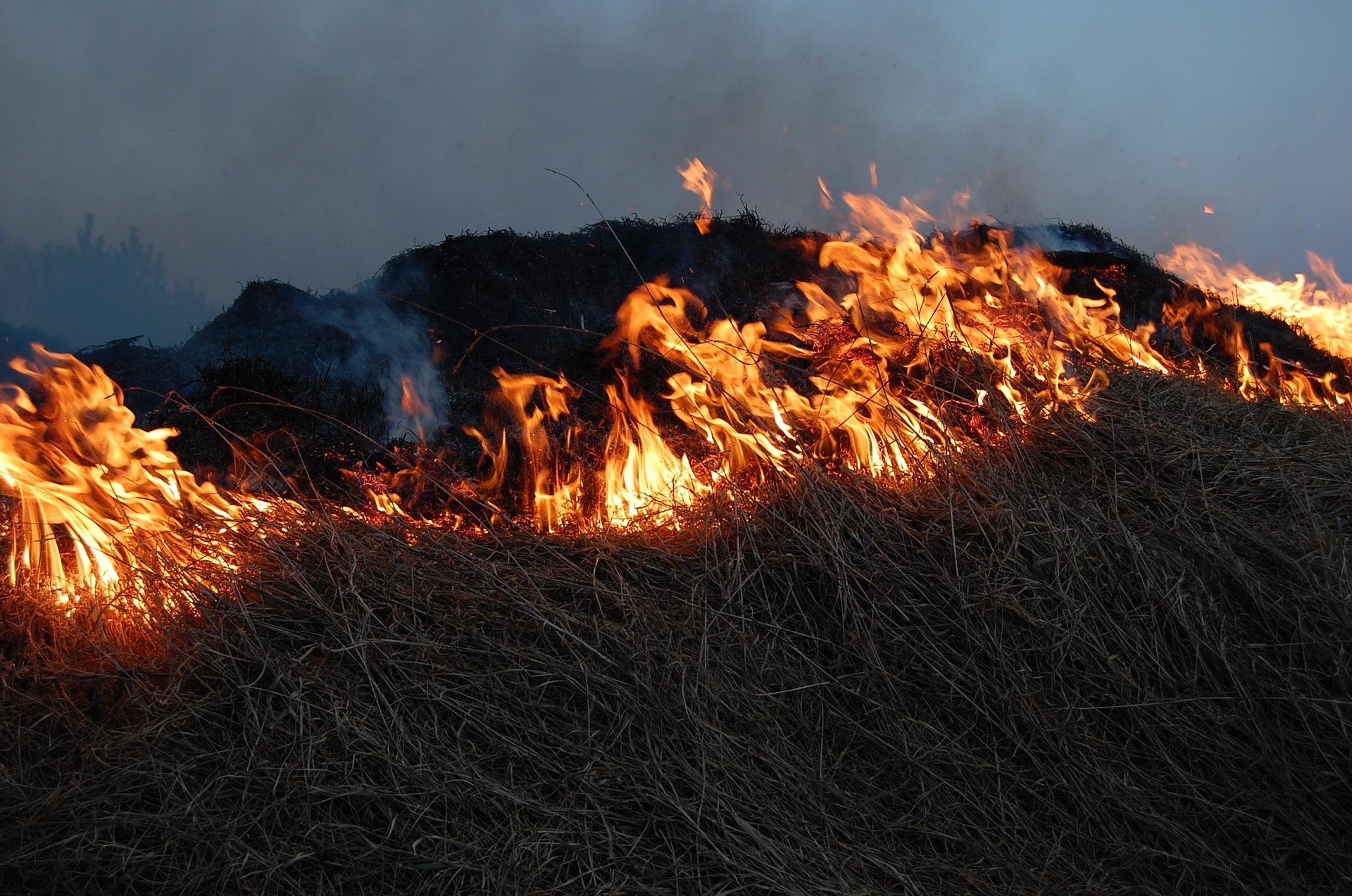
On natural resources and environmental issues, both candidates stressed law enforcement against polluters, illegal logging, illegal fishing, and forest fires. While these commitments are positive, they remain highly normative without clear strategies for enforcement in natural resource sectors.
The Corruption Eradication Commission (KPK) has found that 18 of 22 licensing regulations are vulnerable to corruption. In forestry alone, state losses reach USD 6.5 billion due to inaccurate reporting, while USD 60–80 billion worth of timber goes unreported. Bribery costs in licensing processes are estimated at IDR 22 billion annually per concession.
Climate change will influence environmental quality, food availability, fisheries, forests and land conditions, and fire risks. Yet once again, neither candidate explained how they would contribute to reducing emissions or achieving Indonesia’s national climate commitments.
“Based on this second presidential debate, both candidates’ climate commitments are questionable. Dirty coal energy remains untouched, and biofuel—likely to drive deforestation—is promoted as renewable energy,” said Khalisah Khalid, Politics Desk of WALHI National Executive.
“They fail to understand renewable energy. Biofuels will accelerate forest destruction, increase greenhouse gas emissions, and reinforce land grabbing, especially of Indigenous lands. The palm oil moratorium was not considered at all, even though it is a crucial governance reform pathway.”
In this debate, issues of forest degradation, deforestation, and environmental rehabilitation were not mentioned by either candidate, while natural resource corruption and Indigenous Peoples’ issues were raised only once—by Jokowi.
Social Forestry as a Climate Strategy
“Community-based sustainable forest and peatland management through social forestry can support national climate commitments, while also strengthening food security, energy resilience, sustainable resource management, and local environmental protection,” said Emmy Primadona, Program Coordinator at KKI-WARSI.
Therefore, whoever is elected must prioritize social forestry implementation supported by a strong national empowerment strategy, ensuring community-managed forests improve livelihoods while sustaining forests.
Madani’s Recommendations
Yayasan Madani Berkelanjutan outlined key strategic recommendations for both candidates should they be elected:
Develop integrated policies across infrastructure, energy, food, natural resources, and environment within a low-carbon development framework aligned with stronger NDC commitments.
Adopt integrated governance reforms that halt deforestation, suspend and evaluate large-scale extractive permits, and accelerate a transition to clean energy.
Strengthen existing forest and land governance policies, including the forest moratorium, palm oil moratorium implementation, peatland restoration, and rehabilitation of degraded lands.
Declare a target toward zero deforestation.
Strengthen recognition and protection of Indigenous and local community rights over land, territories, and natural resources in all relevant sectors.
Media Contacts
Anggalia Putri
Knowledge Manager, Yayasan Madani Berkelanjutan
+62 856-2118-997 | anggalia.putri@madaniberkelanjutan.idKhalisah Khalid
Politics Desk, WALHI National Executive
+62 813-1118-7498 | khalisah@walhi.or.idNuly Nazlia
Acting Executive Director, Koaksi Indonesia
+62 811-1012-853 | nulynazlia@gmail.comEmmy Primadona
Program Coordinator, KKI-WARSI
+62 811-7453-700 | emmy.than@gmail.comLuluk Uliyah
Senior Communication Officer, Yayasan Madani Berkelanjutan
+62 815-1986-8887 | luluk@madaniberkelanjutan.id