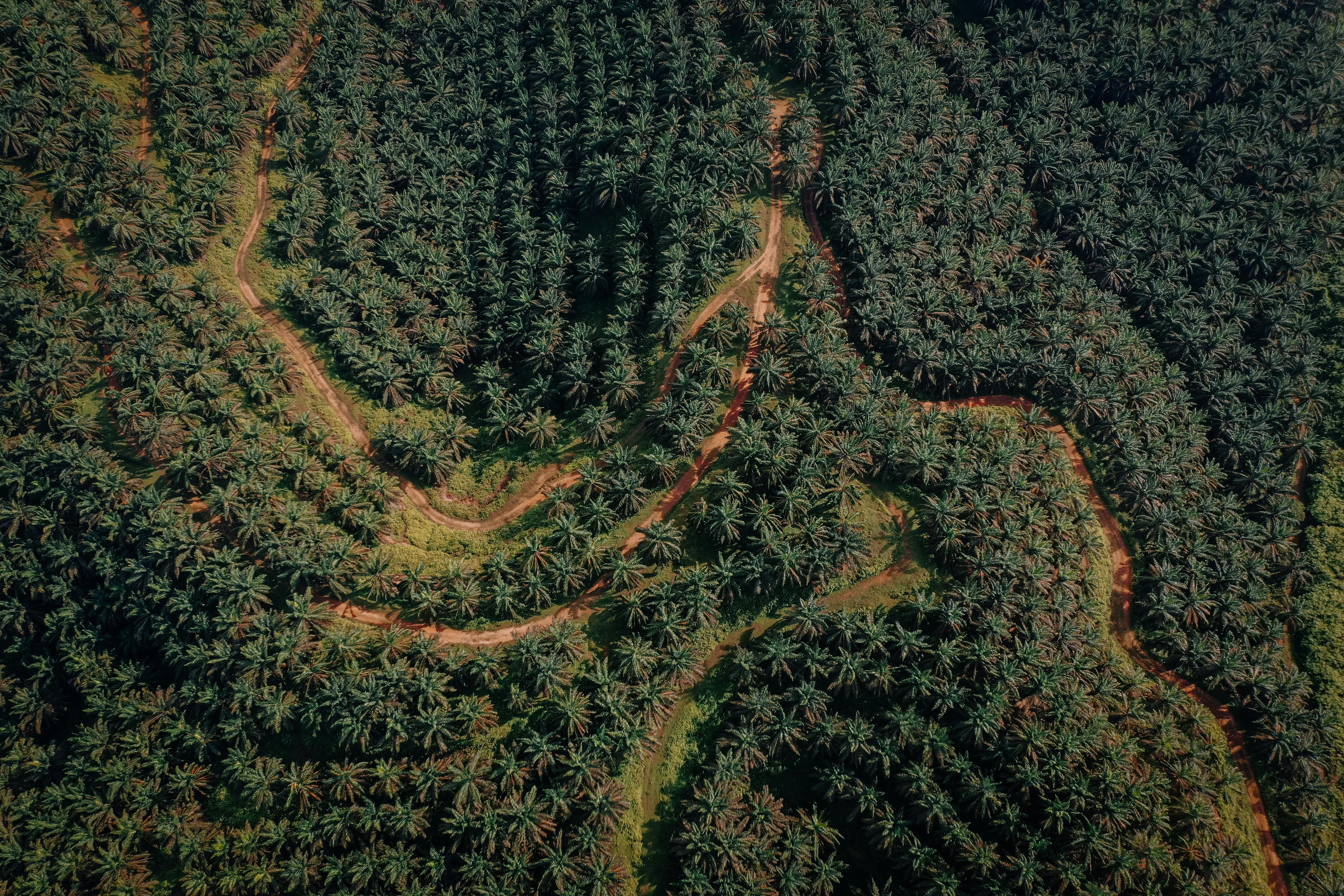
(Wednesday, 17 May 2017) The drafting process of the Palm Oil Bill has once again resumed. On 4 April 2017, the Legislative Body of the Indonesian House of Representatives (DPR-RI) held a Public Hearing (RDPU) as part of the harmonization, consolidation, and finalization of the Bill’s концепт. During the forum, it was stated that the Palm Oil Bill is intended to serve as a lex specialis to complement the existing Plantation Law. The bill also aims to provide protection for the palm oil commodity against competing countries.
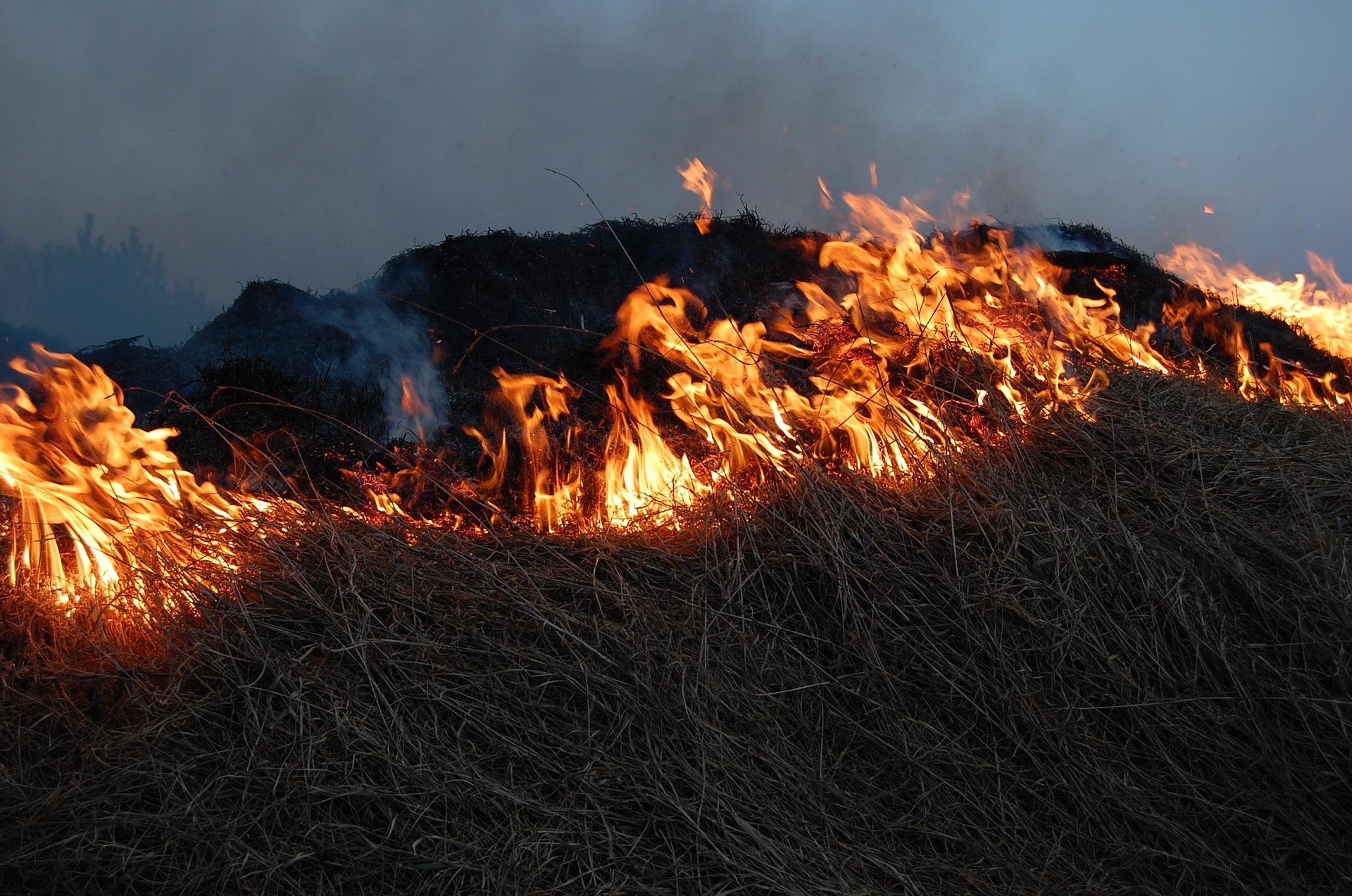
What was particularly surprising was the DPR’s assertion that the public and environmental advocates must understand that oil palm does not cause land degradation nor does it represent the largest consumer of groundwater resources.
The revival of deliberations on this bill reflects a serious lack of understanding among parliament members regarding the longstanding problems associated with the palm oil plantation sector.
The Strategic Plan of the Directorate General of Plantations under the Ministry of Agriculture (2015–2019) identifies key challenges in the agricultural sector, including:
environmental degradation and climate change;
infrastructure, facilities, land, and water issues;
land ownership problems;
national seed and nursery systems;
farmers’ access to financing, institutions, and extension services;
cross-sector integration; and
bureaucratic performance in agricultural services.
These concerns align with the Resolution issued by the Committee on the Environment, Public Health and Food Safety of the European Parliament, which banned palm oil-based biodiesel due to continued problems including deforestation, corruption, child labor, and human rights abuses—a resolution supported by the majority of European Parliament members.
Instead of improving governance and reevaluating harmful practices in the palm oil industry, the DPR has chosen to push forward a highly controversial Palm Oil Bill, which was listed as a Priority Bill for 2017 in January.
In response, the Civil Society Coalition for Human Rights and Environmental Protection has produced a specific policy paper titled:
“Why the Deliberation of the Palm Oil Bill Must Be Immediately Halted”
This policy paper outlines seven key reasons why the government should reject further discussions of the bill.
Seven Reasons to Halt the Palm Oil Bill
1. Protecting Corporations Rather Than National Interests
Rather than defending national interests, the bill primarily safeguards the interests of large palm oil corporations—most of which are foreign-owned. Currently, the largest shareholders in Indonesia’s palm oil sector come from Malaysia, followed by the United States, the United Kingdom, Singapore, Bermuda, Brazil, Canada, France, and the Netherlands.
2. A Special Palm Oil Law Is Unnecessary
A specific law regulating palm oil is not needed, since most norms contained in the bill are already governed under:
Law No. 39/2014 on Plantations,
Law No. 7/2014 on Trade, and
Law No. 32/2009 on Environmental Protection and Management.
“This bill could create conflicting norms and legal uncertainty—not only for affected communities, but also for businesses themselves,” said Henri Subagiyo, Executive Director of ICEL.
“Instead of wasting public funds on a new law, it would be better to finalize the derivative regulations mandated under the existing Plantation Law.”
3. Weakening Criminal Sanctions
The bill undermines sanctions set out in other laws by drastically reducing penalties for harmful actions that endanger human health and safety or damage natural resources and the environment—from a maximum of 5 years imprisonment and a fine of IDR 5 billion to only 1 year and 4 months and a fine of IDR 145 million.
4. Contradicting Environmental and Social Protection Policies
The bill strongly facilitates foreign interests, reinforces land domination status quo, legitimizes new land clearing, and even allows palm oil development on protected peatlands. This directly contradicts President Jokowi’s commitments on agrarian reform, the palm oil moratorium plan, and total protection of peat ecosystems.
5. Granting Privileges to Big Businesses Over Smallholders and Workers
“Indonesia’s priority should be legal protection for workers and small farmers involved in palm oil—not justification for large corporations to seize the lands of Indigenous Peoples and local communities,” stressed Wiko Saputra (AURIGA).
The bill also lacks provisions ensuring Indigenous communities can refuse land conversion into oil palm plantations.
6. Escalating Land and Social Conflicts
Data from the Directorate General of Plantations recorded 739 plantation-related conflicts in 2012, with over 72% involving land disputes. In such a context, introducing a bill that could legalize large-scale illegal plantations is deeply irrational.
“This bill ignores the human rights principles that should guide plantation governance. Palm oil regulation must adopt mandatory human rights due diligence, as required under the UN Guiding Principles on Business and Human Rights,” said Andi Muttaqien from ELSAM.
7. Threatening Remaining Forests and Peatlands
Finally, the bill risks whitewashing illegal activities in forest areas and undermining Government Regulation No. 71/2014 on Peat Ecosystem Protection, which prohibits new land clearing until zoning is established. Such protection would become meaningless if the Palm Oil Bill is passed into law.
Coalition’s Call to Government and Parliament
The Civil Society Coalition urges the government and the DPR to reform palm oil governance in ways that do not create new problems.
“What is urgently needed is a halt to new permits in forest areas, a review of existing plantation legality, human rights audits, and stronger support for affected communities, including smallholders, workers, Indigenous Peoples, and local communities,” concluded Teguh Surya of Yayasan Madani Berkelanjutan.
Contacts
Andi Muttaqien (ELSAM) – andi@elsam.or.id
Mansuetus Darto (SPKS) – darto.spks@gmail.com
Wiko Saputra (Auriga Nusantara)
Henri Subagiyo (ICEL) – henrisubagiyo@gmail.com
Nurhanuddin Ahmad (Sawit Watch) – rambo@sawitwatch.or.id
Teguh Surya (Madani Berkelanjutan) – teguh.surya@madaniberkelanjutan.id