[Jakarta, 7 August 2018] Governors and Vice Governors elected in Indonesia’s simultaneous 2018 local elections across 17 provinces have not yet demonstrated strong commitments to safeguarding natural forests, peatland ecosystems, or recognizing the rights of Indigenous and local communities. As a result, 61.6 million hectares of remaining natural forests equivalent to 69% of Indonesia’s total remaining forests are at risk of lacking adequate protection in the future.
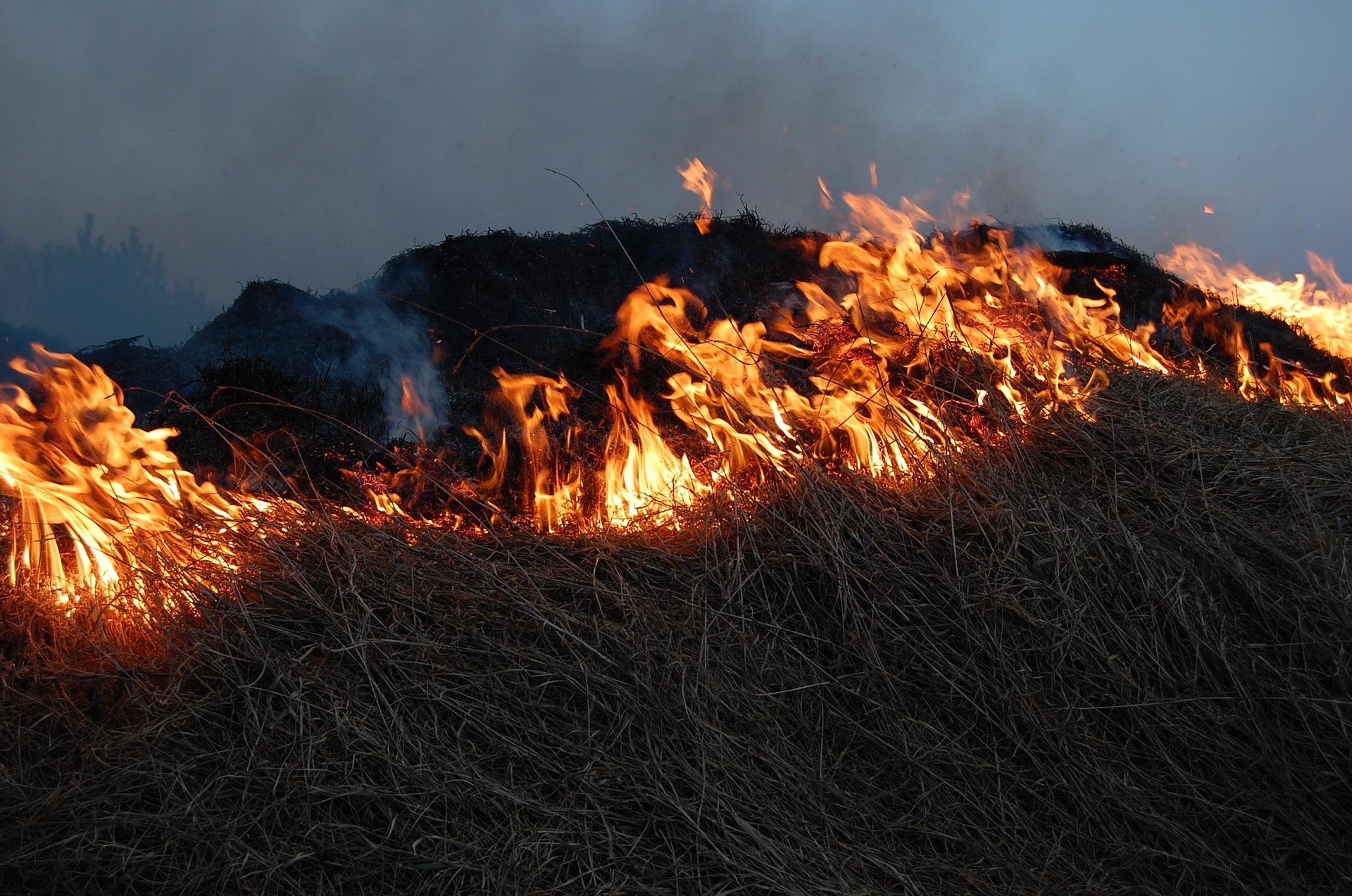
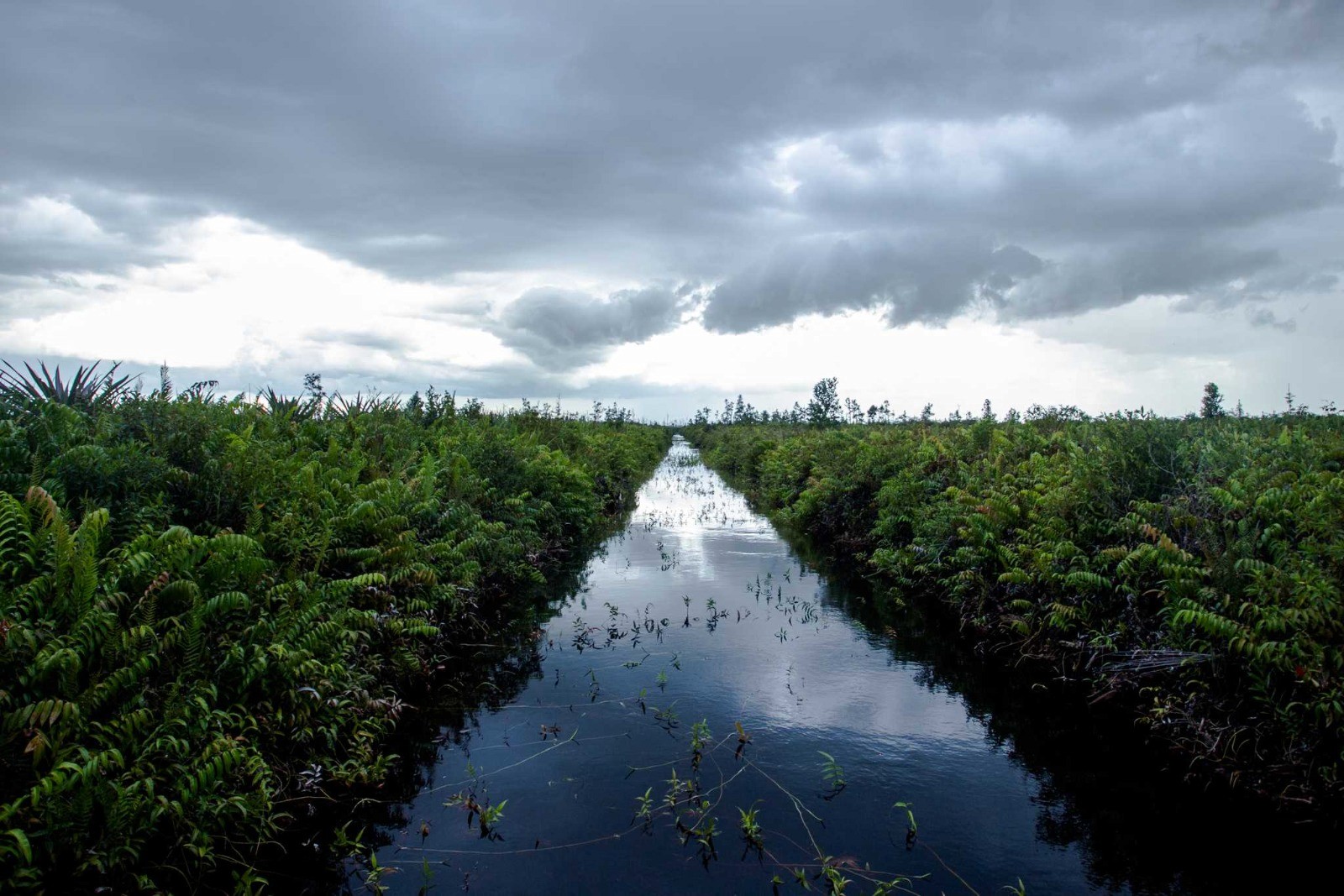
This is particularly concerning for priority peatland restoration provinces such as Riau, South Sumatra, and West Kalimantan, which were severely affected by the massive forest and land fires of 2015 that devastated 2.6 million hectares of forest and peatland.
These findings were presented during a media briefing this morning in Jakarta, based on a study by Yayasan Madani Berkelanjutan titled:
“Latest Report: Indonesia’s Forests in the 2019 Election – Case Study of the 2018 Simultaneous Local Elections.”
Most elected Governors and Vice Governors, the study notes, frame environmental issues and Indigenous/local community rights merely as a broad “blanket concept,” without clearly specifying which environmental challenges they intend to address or what kind of development model they envision.
“In fact, Governors hold a strategic position in protecting Indonesia’s remaining forests and peatlands, especially since forestry authority at the district level has been transferred back to the provincial level,” said Anggalia Putri, Director of the Forest and Climate Program at Yayasan Madani Berkelanjutan.
Executive Director Teguh Surya further emphasized that it is crucial for elected regional leaders—and Indonesia’s next President—to clearly and firmly place environmental protection, forests, peat ecosystems, and community rights within their visions, missions, and work programs, given that the right to a healthy environment is a constitutional right that every national leader is obliged to uphold.
Moreover, Indonesia is a vast archipelagic nation highly vulnerable to disasters. In 2017 alone, Indonesia suffered an estimated IDR 30 trillion in economic losses due to disasters—equivalent to 17% of regional revenue across the 17 provinces. BNPB data from 2014–2018 also indicate that many disasters in Indonesia are largely caused by environmental degradation, including floods, landslides, forest and peatland fires, and drought.
What kind of economic development can future leaders pursue if 120.6 million hectares (63%) of Indonesia’s land area are designated as forest zones, while their visions and programs fail to address the critical issues within these landscapes?
Data from the Directorate of Complaints on Conflict, Tenure, and Customary Forests under the Directorate General of Social Forestry and Environmental Partnerships (PSKL) at the Ministry of Environment and Forestry show that 14.5 million hectares of state forest areas are potentially conflict-prone, with a highly unequal allocation of forest management: 97% is granted to corporations, while only 3% is managed by communities.
These issues were also raised during the Tenure Conference held in Jakarta in October 2017, Teguh Surya added.
Yayasan Madani Berkelanjutan believes that strong commitments to forest and peatland protection would reduce disaster risks affecting more than 200 million people across the 17 provinces, while also lowering future disaster-related costs.
Drawing lessons from the 2018 local elections, provincial governments in these 17 provinces could potentially avoid disaster-related economic and physical losses of up to IDR 654 billion, and prevent environmental damage across 86 million hectares, by safeguarding remaining forest and peatland ecosystems—based on BNPB’s 2016 disaster loss calculations from hydrological and climate change perspectives.
Ahead of the 2019 Presidential Election, all stakeholders play an important role in advancing democratic justice and building a resilient Indonesia by ensuring that forest and peatland protection becomes a top priority in the visions, missions, and work programs of all presidential candidates.
Media Contacts
Muhammad Teguh Surya
Executive Director, Yayasan Madani Berkelanjutan
teguh.surya@madaniberkelanjutan.id | +62 819-1519-1979Anggalia Putri Permatasari
Director of Forest and Climate Change Program
anggalia.putri@madaniberkelanjutan.id | +62 856-2118-997Melodya Apriliana
Digital Communication Campaigner
melodya.a@madaniberkelanjutan.id | +62 838-4227-2452