[Jakarta, 21 January 2018] Efforts to restore peatland ecosystems have now entered their second year, following Presidential Regulation No. 1 of 2016 on the Establishment of the Peatland Restoration Agency (BRG), which set a target to restore 2 million hectares of peatland within five years. The Government, through BRG, claims that by the end of 2017, 1.2 million hectares of peatland had been restored.
Yayasan Madani Berkelanjutan appreciates the efforts made by BRG so far, including several initiatives supporting the restoration agenda such as food security programs through the Peat Care Village Program (Desa Peduli Gambut), tourism development, and the cultivation of plants for alternative fuel sources. However, it is unfortunate that many of the achievements presented by BRG to the public remain difficult to verify.
The public and civil society organizations pay close attention to the success of peatland ecosystem restoration efforts. At the same time, it remains difficult to determine where restoration activities are taking place, along with other supporting data needed in appropriate formats. As a result, public ownership and shared commitment toward peatland restoration have not yet been fully established even in this second year.
Yayasan Madani Berkelanjutan indicates that information and data have so far been largely controlled unilaterally by project implementers. This concern emerged during numerous meetings with civil society organizations and representatives of peatland communities in the seven priority provinces for peatland restoration, conducted while promoting the independent monitoring initiative for peatland restoration performance through www.pantaugambut.id, together with 19 other civil society organizations.
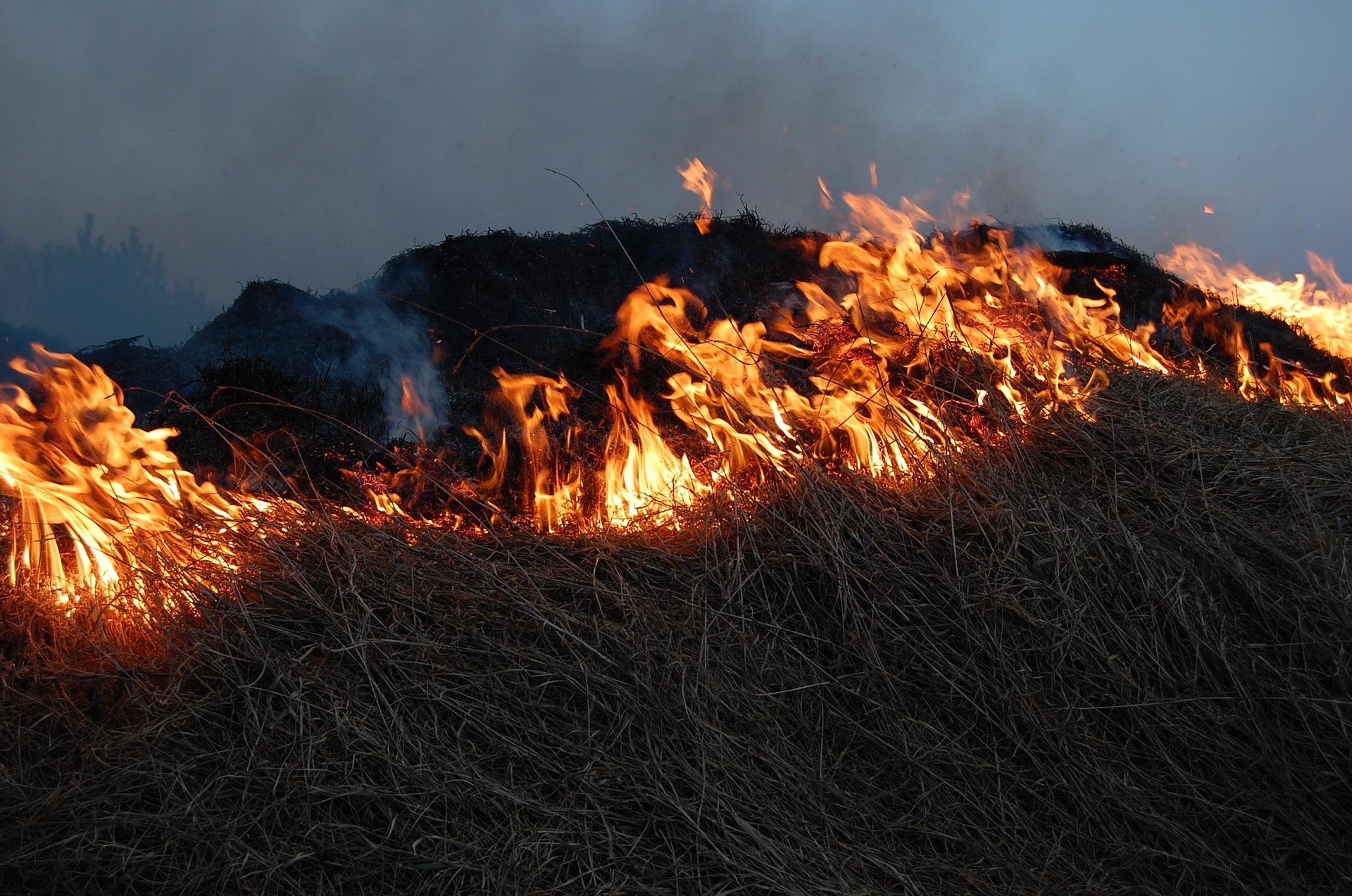
Yayasan Madani Berkelanjutan is concerned that if this situation continues, the target set by the President will be difficult to achieve, and Indonesia may once again face forest and land fire disasters (haze disasters)—similar to what occurred at the end of 2015, which caused significant casualties and economic losses estimated at IDR 220 trillion.
In 2016, to accelerate progress toward the restoration target, BRG identified nine regulations needed to support peatland restoration. However, until this second year, there has been no visible effort to push for the issuance of these necessary policies. On the contrary, several actions have emerged that weaken peatland protection policies, both by some regional leaders and by business actors.
Yayasan Madani welcomes and appreciates the Government’s strong efforts to protect and restore peatland ecosystems. However, the President should remember that the success of Indonesia’s peatland restoration efforts depends heavily on the integration of programs, policies, and support from relevant ministries and agencies. The protection and restoration of peat ecosystems is not solely the responsibility of BRG.
As cited on the Pantau Gambut platform, there are six additional commitments with the same objective. Therefore, together with the Pantau Gambut network, we will continue to encourage and monitor restoration performance alongside communities to ensure that the program runs effectively and reaches its intended targets.
Contacts
Teguh Surya
Executive Director, Yayasan Madani Berkelanjutan
✉ teguh.surya@madaniberkelanjutan.id
📞 +62 819-1519-1979
Nadia Hadad
Strategic Engagement Director, Yayasan Madani Berkelanjutan
✉ nadia.hadad@madaniberkelanjutan.id
📞 +62 811-132-081
Editor’s Note
Pantau Gambut (www.pantaugambut.id) is an online platform that combines technology, data collaboration, and community networks to provide free information on peatland restoration in Indonesia. The Pantau Gambut initiative is built upon an evolving partnership among civil society organizations and currently has a monitoring network across seven provinces: Jambi, Riau, South Sumatra, West Kalimantan, Central Kalimantan, South Kalimantan, Papua, and West Papua, involving 19 environmental organizations.
BRG has identified nine regulations needed to accelerate peatland restoration, including:
regulations allowing investment in former cultivated peatlands converted into protected peatlands under ecosystem restoration schemes or community-based management based on local wisdom;
regulations providing incentives for concessions that voluntarily convert production zones into protected zones;
regulations prioritizing the integration of Peat Hydrological Units (KHG) and peatlands into provincial and district spatial planning (RTRWP/K);
regulations prioritizing conflict-prone peatlands for social forestry, customary forests, partnership schemes, and agrarian reform;
regulations enabling fiscal transfers to regional governments that successfully protect and manage peatlands;
regulations allowing carbon trading schemes for peatland restoration involving communities;
regulations governing the identification and protection of biodiversity in peat ecosystems;
regulations operationalizing the ASEAN Agreement on Transboundary Haze Pollution; and
regulations recognizing the role of peat ecosystems in climate change mitigation through environmental services.