[Press Release, 28 June 2024] The Government of Indonesia has demonstrated its commitment to addressing the climate crisis by preparing the Nationally Determined Contribution (NDC) documents, starting from the First NDC, the Updated NDC, to the most recent Enhanced NDC. However, we assess that the preparation of Indonesia’s NDC documents has not yet fully reflected the principles of transparency and inclusive, meaningful participation, particularly for affected communities and non–central government actors commonly referred to as Non-Party Stakeholders (NPS). In the momentum of preparing the Second NDC (SNDC), the Government of Indonesia must take serious steps to involve groups most at risk from the impacts of climate change—such as traditional fishers, farmers, Indigenous Peoples, women, persons with disabilities, children, and the elderly—in decision-making processes related to climate policy in Indonesia. This was conveyed by Nadia Hadad, Executive Director of MADANI Berkelanjutan, who fully supports vulnerable communities in voicing their aspirations through the Open Letter Protect the People of Indonesia Today and Tomorrow: Ensure Meaningful Participation in the Preparation of Indonesia’s Climate Commitment (Second NDC).
“The Second NDC document of Indonesia should not only be ambitious, but must also contain concrete commitments and be carried out through a participatory, inclusive, and just process. To achieve this, the dimensions of climate justice—which include distributive justice, recognitional justice, procedural justice, restorative-corrective justice, and gender justice—should automatically be implemented and provided by the government to fulfill citizens’ human rights as mandated by the constitution,” added Nadia.
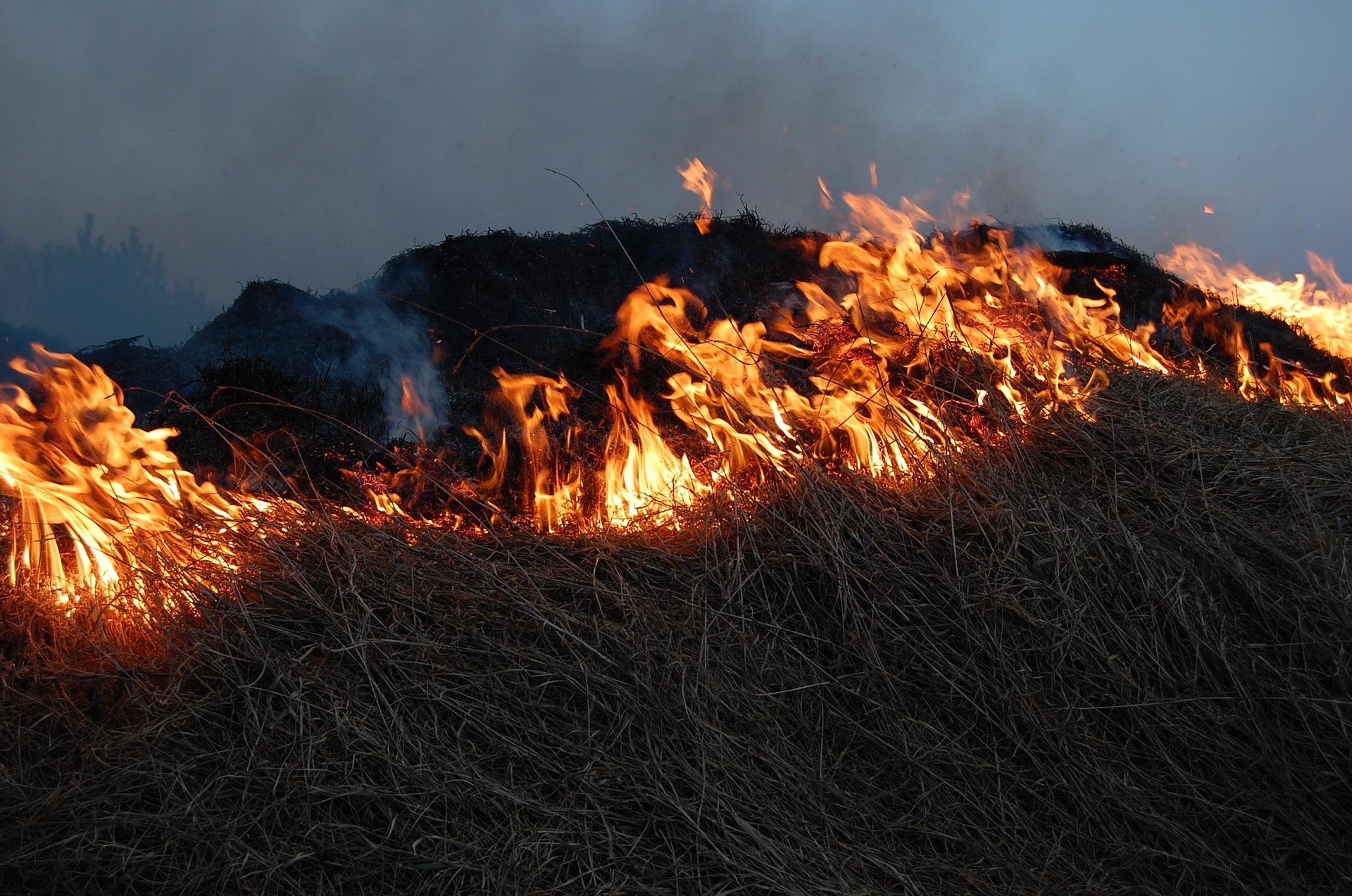
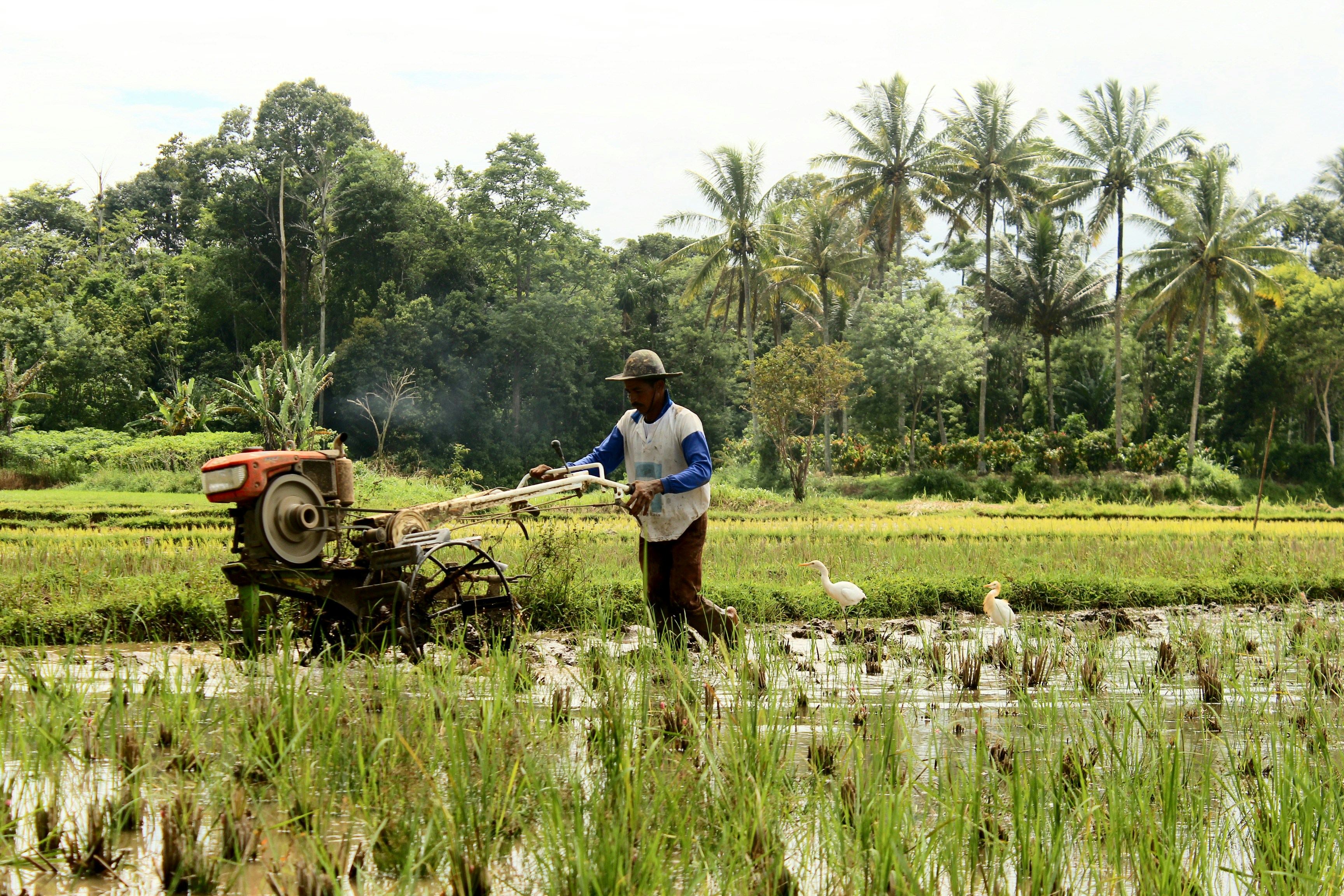
“Climate change adaptation and mitigation actions have impacts on communities and the environment. Extreme weather, droughts, floods, tidal waves, land subsidence, and forest and land fires have caused many people to lose their homes, claimed many lives, damaged the livelihoods of fishers, farmers, and Indigenous Peoples, and even crippled local economies. Persons with disabilities, women, children and the elderly, the urban and rural poor, small-scale farmers, and traditional fishers bear a far heavier burden due to the lack of capacity and support for them to survive,” said Torry Kuswardono, Executive Director of Yayasan Pikul.
Armayanti Sanusi, Chair of Solidaritas Perempuan, stated, “In fact, the stages of preparing the Nationally Determined Contribution (NDC) document still discriminate against women in terms of their ability to be meaningfully involved throughout all stages of planning through to monitoring climate adaptation and mitigation in Indonesia. Furthermore, mitigation schemes are still prioritized by the Indonesian government compared to adaptation schemes that women need to survive in situations of climate crisis and disasters. In fact, women have initiatives and local knowledge in responding to climate crisis situations in Indonesia. Downstream energy projects such as geothermal energy and hydropower plants (PLTA), which are claimed by the government as clean energy transitions, instead place women in layered vulnerabilities due to massive land grabbing, eviction from women’s living spaces, and the erasure of local knowledge and wisdom, creating various inequalities and the feminization of structural poverty among women farmers, fishers, and Indigenous women.”
“The number of elderly and persons with disabilities in Indonesia is around 50 million people, and globally nearly 2 billion people. It is only appropriate that they are involved in all decision-making processes,” said Farhan Helmy, President of the Disability and Elderly Movement (DILANS) Indonesia and also Head of Thamrin School of Climate Change and Sustainability. “The process of preparing the Second NDC does not show alignment with climate justice for these vulnerable citizens. The principles of ‘No One Left Behind’ and ‘Nothing About Us Without Us’ are not visible, and perhaps not even understood in their representation,” added Farhan.
Meanwhile, coastal communities have also not been involved inclusively. “It is very important to ensure that the voices of traditional fishers are heard and taken into account in addressing climate change, especially in the context of preparing the Second NDC. In fact, small-scale and traditional fishers are the groups most affected by climate change. A 2023 KNTI survey shows that climate change has reduced catches by 72%, decreased income by 83%, and increased accident risks by 86%. Without fisher involvement, resulting policies risk being irrelevant and ineffective on the ground. Small-scale and traditional fishers do not only want to be policy objects, but also active subjects involved in decision-making processes,” emphasized Dani Setiawan, Chairperson of the Indonesian Traditional Fishers Union (KNTI).
“The decline in the number of fishers is due to the lack of interest among younger generations in becoming fishers or engaging in the fisheries and marine sector. This occurs alongside increasing risks of working at sea, as well as risks in aquaculture and seaweed farming due to climate change and declining ocean and coastal health,” explained Hendra Wiguna, Chairperson of the Indonesian Coastal Students, Youth, and University Students Union (KPPMPI).
Hendra continued that the decline in the number of fishers must be anticipated immediately, as it will have wide-ranging impacts from food availability to employment absorption that has long been supported by the fisheries and marine sector. Therefore, in relation to climate change impacts, serious steps are needed from policymakers, and going forward, every policy related to climate change response must be deliberated together with actors in the food sector—namely fishers, fish farmers, cultivators, farmers, and livestock breeders.
“It is hoped that through such involvement, policy products that are aligned with the needs of communities affected by climate change will emerge, along with strong adaptive capacity for young fishers and other marine and fisheries business actors,” added Hendra.
“Around 68 million young people dominate Indonesia’s population. The future of young people, whom the government expects to be a demographic bonus, will be threatened by worsening ecological disasters caused by climate change impacts. Moreover, 70% of ecological disasters in Indonesia are caused by climate change. Their number and intensity will continue to increase as global temperatures rise toward the dangerous path of a 1.5-degree Celsius climate hell. In the absence of laws on climate mitigation and adaptation that prioritize justice and meaningful public participation, all young people will become victims. The aspiration of becoming an advanced Indonesia will vanish,” said Decmonth from Extinction Rebellion Indonesia.
“Therefore, we, as part of Indonesian society affected by the climate crisis, aspire to realize climate justice for the people of Indonesia and request that the process of preparing the Second NDC truly reflects an inclusive and meaningful participatory process. Climate action designed without inclusive and meaningful participation together with communities can bring even greater harm,” concluded Torry Kuswardono.
This open letter is addressed to the Minister of Environment and Forestry and is signed by 32 civil society organizations actively working on the climate crisis. These organizations are: 350.org Indonesia, Aksi! for Gender, Social and Ecological Justice, Bengkel Advokasi Pemberdayaan dan Pengembangan Kampung (Bengkel APPeK), Center of Economic and Law Studies (CELIOS), Climate Rangers Jakarta, Extinction Rebellion Indonesia, Indonesian Women with Disabilities Association (HWDI), Participatory Mapping Network (JKPP), Urban Poor People’s Network (JRMK), Indonesian Traditional Fishers Union (KNTI), Indonesian Coastal Students, Youth, and University Students Union (KPPMPI), Koaksi Indonesia, Indonesian Women’s Coalition for Justice and Democracy, People’s Coalition for Fisheries Justice (KIARA), Agrarian Reform Consortium (KPA), Consortium for the Study and Development of Participation (KONSEPSI), Institute for Community Research and Empowerment (LP2M), Lembaga Transform NTB, Disability and Elderly Movement (DILANS) Indonesia, HuMa Indonesia Association, Healthy Soul Association (PJS), Indigenous Women’s Alliance of the Archipelago (PEREMPUAN AMAN), Publish What You Pay (PWYP) Indonesia, Solidaritas Perempuan (SP), Thamrin School of Climate Change and Sustainability, Working Group ICCAs Indonesia (WGII), YAKKUM Emergency Unit (YEU), Yayasan Humanis dan Inovasi Sosial (Humanis), Way Seputih Conservation Foundation (YKWS), Indonesian Legal Aid Foundation (YLBHI), Social Research and Development Foundation (YPPS), and Yayasan PIKUL.
Media Contacts:
Luluk Uliyah, Media and Stakeholder Engagement MADANI Berkelanjutan, luluk@madaniberkelanjutan.id
Torry Kuswardono, Executive Director of Yayasan Pikul, torry@pikul.id
Armayanti Sanusi, Chair of Solidaritas Perempuan, armayantisanusi@solidaritasperempuan.org
Farhan Helmy, President of the Disability and Elderly Movement (DILANS) Indonesia, farhan.helmy@dilansindonesia.org
Dani Setiawan, Chairperson of the Indonesian Traditional Fishers Union (KNTI), bungdani05@gmail.com
Hendra Wiguna, Chairperson of the Indonesian Coastal Students, Youth, and University Students Union (KPPMPI), hwiguna16@gmail.com
Decmonth, Extinction Rebellion Indonesia, decmonthnuel@gmail.com