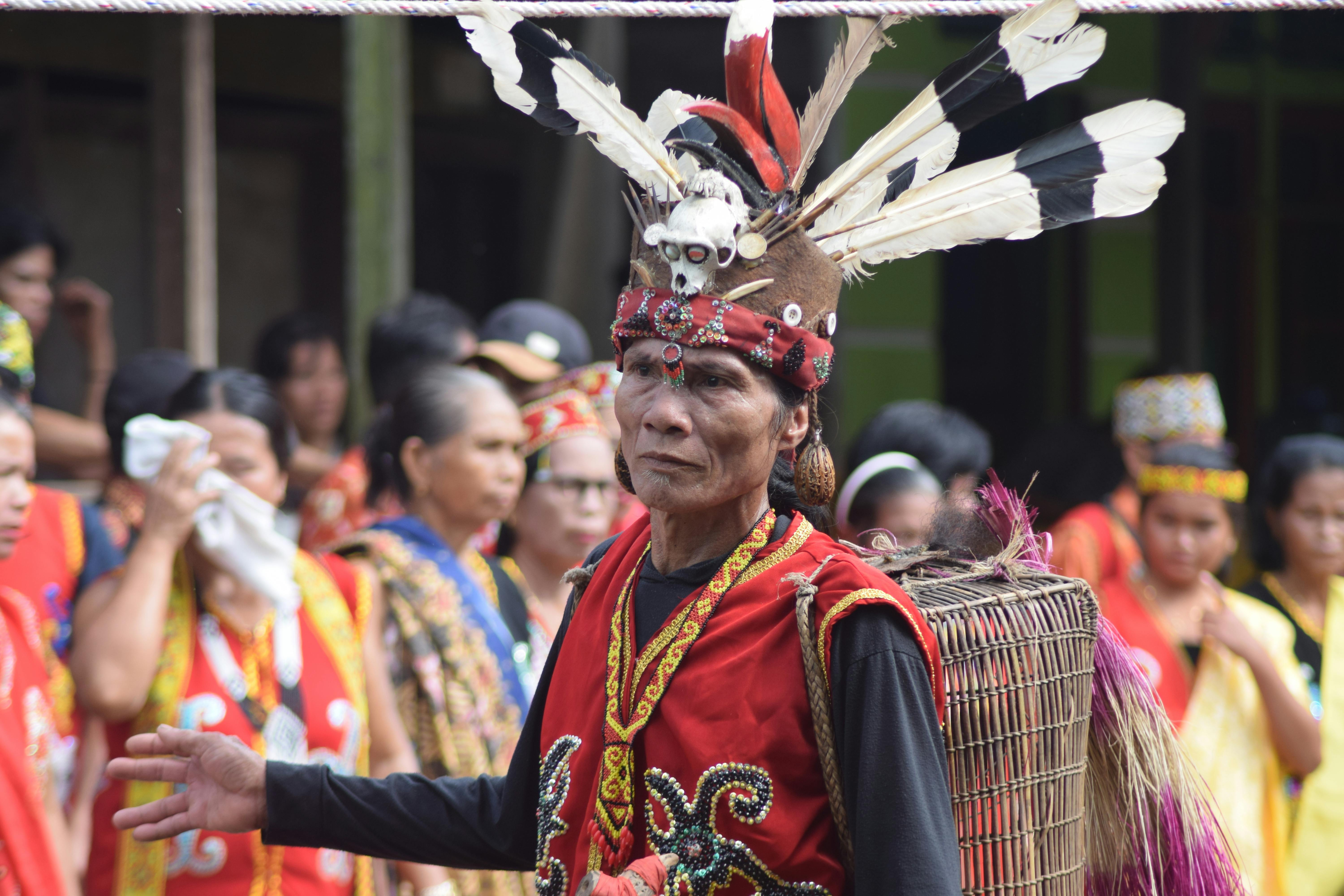
[Jakarta, 23 January 2019] Civil society organizations under the #Vote4Forest initiative today released a study on the track record of Indonesian House of Representatives (DPR) members in the legislative process of environment-related bills. The first report, presented during the Public Discussion “Measuring Parliament’s Commitment to Environmental Issues,” focuses on the perspectives and tendencies of lawmakers in Senayan regarding the drafting of the Indigenous Peoples Bill (RUU Masyarakat Hukum Adat / RUU MHA)—a legal umbrella intended to protect Indigenous rights in natural resource governance.
“One key indicator of lawmakers’ commitment to the public interest can be seen in their willingness to support environmental protection, disaster prevention, and sustainable natural resource management,” said Teguh Surya, Executive Director of Yayasan Madani Berkelanjutan.
#Vote4Forest is a collaborative initiative by Yayasan Madani Berkelanjutan, WikiDPR, and Change.org Indonesia aimed at providing the public with information on DPR members’ track records on environmental issues ahead of the 2019 elections.
“Our study finds that there is no guarantee that legislators representing electoral districts with Indigenous communities are more likely to support the Indigenous Peoples Bill. The study also shows that of the 28 members of the DPR’s Legislative Body (Baleg) actively involved in deliberating the bill, only 46% demonstrated a tendency to support it, while the remaining 54% tended to oppose it or remain neutral—meaning they neither supported nor rejected it,” Teguh explained.
In fact, 26 out of the 28 Baleg members involved in the bill’s deliberation are running again for the 2019–2024 term. This raises a critical question: what will be the fate of the Indigenous Peoples Bill in the hands of the next Parliament?
“This bill must be urgently advanced while ensuring it fully accommodates Indigenous recognition and protection. Over the past four years, Parliament has failed to grasp the essence of the Constitution, instead prioritizing other laws that are far less relevant to public needs,” Teguh emphasized.
Data from HuMa Association (2019) recorded that throughout 2018 there were at least 326 agrarian and natural resource conflicts across 2.1 million hectares, resulting in more than 176,000 Indigenous people becoming victims. The passage of the Indigenous Peoples Bill is expected to provide a legal framework to safeguard Indigenous rights.
“By presenting data-based information on lawmakers’ track records, we hope voters can make smarter choices in selecting legislative candidates who will represent them in Parliament. At the same time, voters must continue to monitor these representatives once elected,” said Desmarita Murni of Change.org Indonesia.
The #Vote4Forest study employed qualitative and quantitative methods using primary sources including legislative meeting transcripts published on Wikidpr.org, official documents from the General Elections Commission (KPU) uploaded to infopemilu.kpu.go.id, as well as coverage in mass media and social media.
Speakers at the public discussion included Endang Maria Astuti Sag, SH, MH, member of the DPR Legislative Body; Dr. rer. nat Rina Mardiana, Head of the Agrarian Studies Center at Bogor Agricultural University; and Erasmus Cahyadi from the Indigenous Peoples Alliance of the Archipelago (AMAN).
EDITOR’S NOTE
The full report and infographic “The Long Wait for Legal Protection for Indigenous Peoples” can be accessed here.
WikiDPR is a non-profit media and communication organization founded in Jakarta in 2014, created as a citizen initiative to promote transparency in the work of DPR members.
Change.org is an open online petition platform enabling anyone to initiate social campaigns for positive change, including environmental protection, democracy, anti-corruption efforts, and other issues.
Yayasan Madani Berkelanjutan is a non-profit organization working to bridge engagement among stakeholders—government, private sector, and civil society—toward innovative solutions in forest and land governance.
Media Contacts
Jeanne Sanjaya – Change.org Indonesia (+62 878-2220-4401)
Luluk Uliyah – Yayasan Madani Berkelanjutan (+62 815-1986-8887)