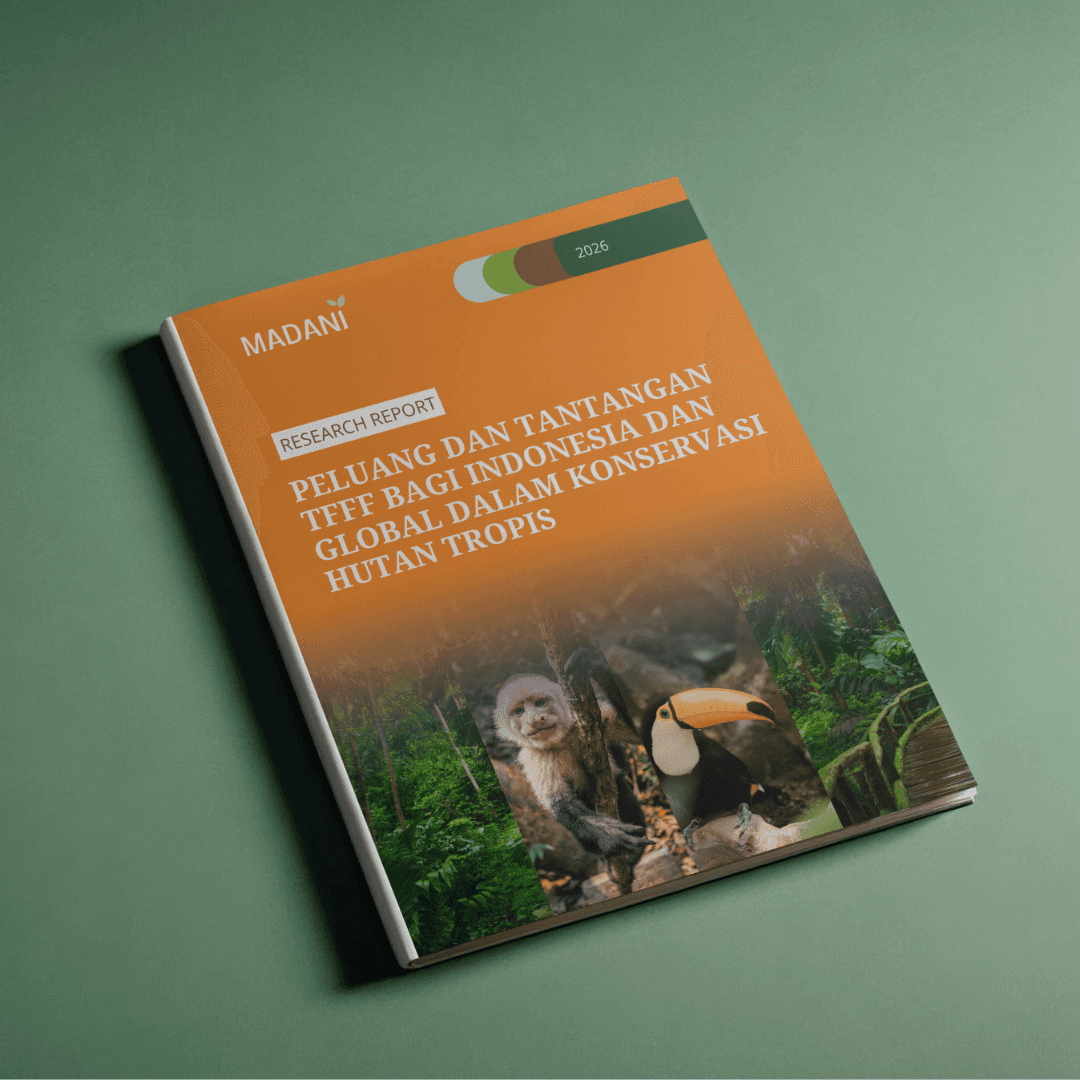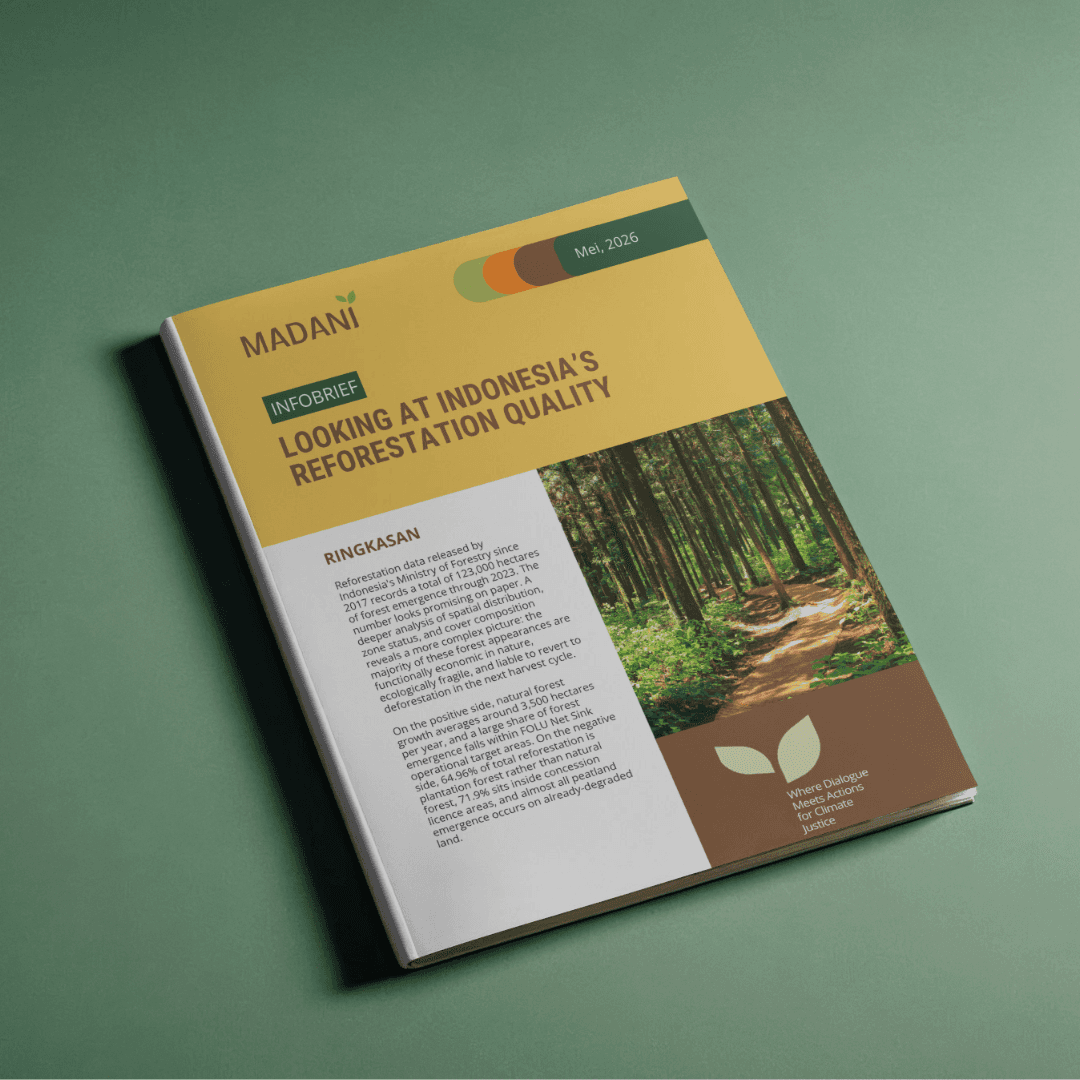

Final Research Report: Determination of the Upper Limit Value of Oil Palm Plantations in Indonesia Based on the Perspective of Environmental Carrying Capacity and Environmental Carrying Capacity (D3TLH)
Changes in forest land cover due to the expansion of oil palm plantations can impact the ecology of the area. Oil palm plantation expansion can lead to a decline in environmental services (EWS), such as those supporting biodiversity, providing food, regulating disasters (increased flooding), and regulating climate (changes in air temperature) (Amalia et al., 2019).
Changes in forest land cover due to the expansion of oil palm plantations can also affect the 2030 FOLU Net Sink achievement target, the emission reduction target in the 2030 Enhanced NDC, and the climate-resilient low-carbon development target in the 2025-2045 RPJPN due to the release of carbon emissions.
Therefore, it is necessary to assess the upper limit (cap) value of oil palm plantation cover based on the perspective of Environmental Carrying Capacity and Environmental Carrying Capacity (D3TLH) as an effort to limit the expansion of oil palm plantations so that a balance is achieved to support human life and other living creatures.