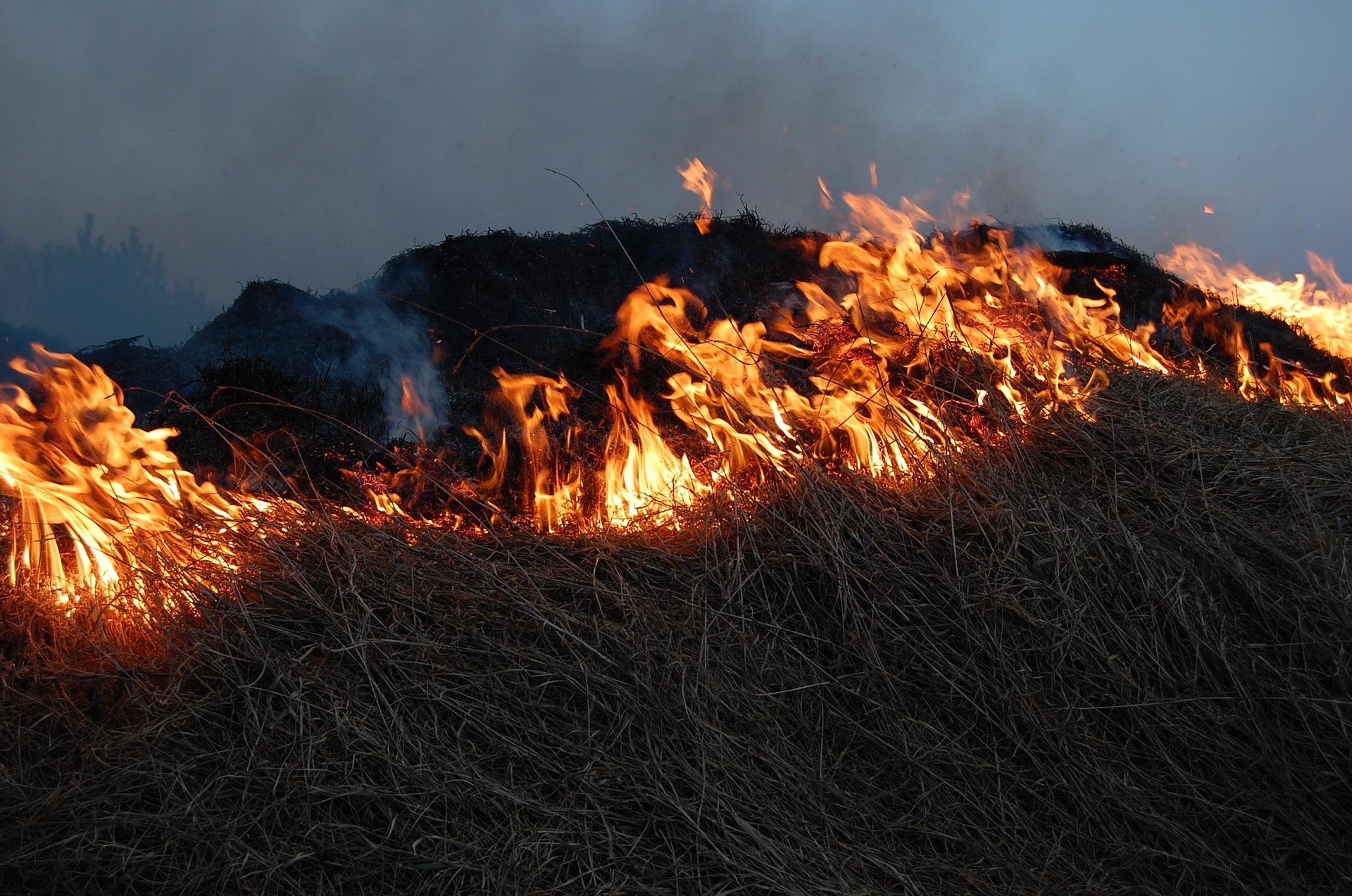
Photo: Atikah Akhtar archive
It was Wednesday, 17 June 2026, just past two in the afternoon, when Vera Wibawa's home in Ciapus Village, Bogor, suddenly went dark. Every activity ground to a halt; the batter for a cake order waiting to be baked was left abandoned, and the washing machine stopped mid-cycle. With no formal notice from PT PLN, Vera was forced to leave the house and walk to the nearest generator stall just to charge her mobile phone. Vera's frustration mirrors the outcry of millions across Sleman, Magelang, Bekasi, and Deli Serdang who have lately grown reacquainted with hours-long power outages.
At the elite level, officials point to coal supply. Energy and Mineral Resources Minister Bahlil Lahadalia disclosed a 20 million metric ton shortfall in the Domestic Market Obligation (DMO), as producers were more inclined to export coal at the global price of USD 150 per ton than to sell it to PLN at the capped price of USD 70 per ton. Yet Fahmy Radhi, an energy analyst at Universitas Gadjah Mada, sees a different paradox: frequent, long-duration outages actually point to poor maintenance management of PLN's power plants.
Behind this fossil energy disarray lies a deeper, more painful irony. Centralized policy has left Java and Bali with an oversupply of electricity. This geographic injustice, by contrast, leaves darkness elsewhere. Data show that roughly 200 villages in West Kalimantan still lack electricity. The reality of flickering power and this inequity sounds a stern warning bell that the dependence on a centralized, coal-based grid is overdue for evaluation. The answer is now being reached, little by little, by local communities striving to weave energy self-reliance from their own backyards.
Hope's Flame Withering on the Selayar Coast
The community's struggle for energy self-reliance is no new narrative; it is a story of resilience filled with tears and lessons. We need to look to the southern tip of South Sulawesi, specifically the Selayar Islands Regency. In 2010, this regency, embracing 130 islands, was designated a pilot project for the Energy Self-Reliant Village program. The spirits of the residents soared at the time, resting on the expanse of nyamplung trees (Calophyllum inophyllum) that grew abundantly along their coast.
Nyamplung is a local marvel. Its characteristics make it an ideal source of second-generation biofuel. The plant adapts easily to degraded land, bears fruit year-round, is highly productive, and burns powerfully. Most importantly, it is not a food commodity, so it does not pose a dilemma between feeding people and fuelling engines.
Seeing this potential, the Ministry of Energy and Mineral Resources moved to build a Nyamplung seed processing plant there to produce biodiesel independently. The community stood ready to act, but the supply chain from upstream to downstream proved fragile. The supply of nyamplung seeds from local collectors could not meet the plant's target machine capacity. Without integrated governance, post-production support, or price guarantees, operations gradually stalled as production costs ballooned far above the returns. The plant now stands silent, a monument reminding us that local-scale energy resilience needs the backing of whole regulation, not merely reactive physical aid.
Creativity at Ground Level: Moving with What Is at Hand
Although the Selayar project hit a dead end, the fire of experimentation at ground level never truly went out. Across the far corners of the archipelago, independent farmers keep moving, drawing on whatever nature and the waste around them provide.
As national biofuel policy narrowed massively and leaned heavily on palm oil, a step that, according to research by LPEM FEB UI, would in fact demand the expansion of up to 9.2 million hectares of new land for a B50 scenario and trigger large-scale deforestation, communities chose a more grounded path of diversification:
Corn cob waste: In Gorontalo, farmers use abundant corn harvest residue, converting it into bio-charcoal briquettes, gas, and bioethanol.
Rice husks: Farmers across rice growing centers independently use them as cheap fuel for grain-drying machines.
Coffee grounds and water hyacinth: Civil society communities and local researchers are beginning to explore daily coffee grounds and the water hyacinth weed in waterways as promising sources of bioethanol and biodiesel.
Rubber seeds: A major opportunity from plantation waste; Indonesia has the world's largest rubber plantation area, yet rubber seeds have long held almost no economic value and have been used only as seed stock. In fact, research shows that rubber seeds contain 40–50% vegetable oil, which can be processed into biodiesel via esterification and transesterification.
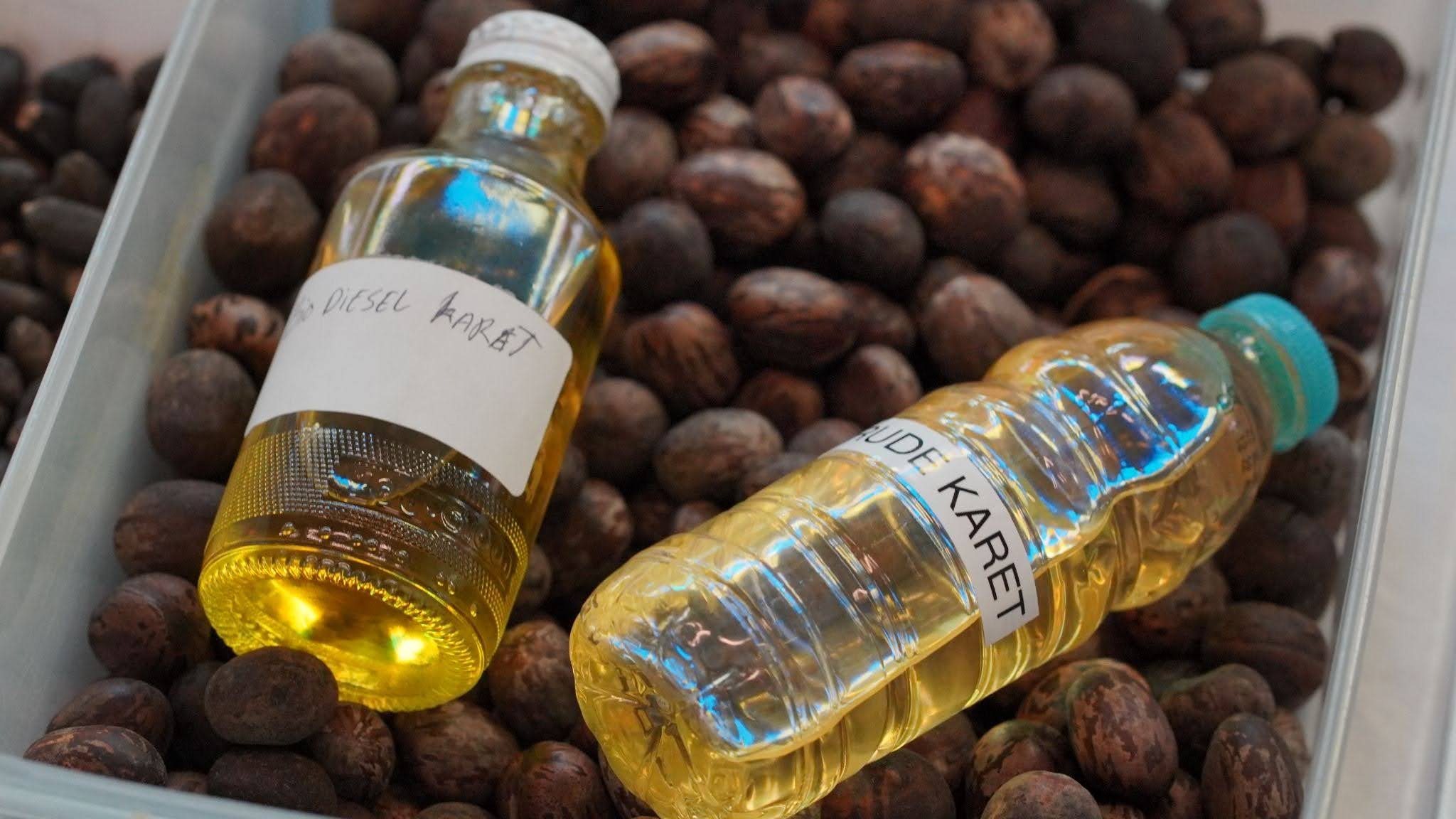
Photo: MADANI Team archive
These small efforts may seem no match for the megawatts produced by giant coal-fired power plants. Yet within the corridor of true energy security, namely availability, accessibility, affordability, and social acceptability, these community-based initiatives score highest because they do not destroy their own living space.
Reaching for Light That Is Just and Lasting
Looking ahead, the future of Indonesia's energy should no longer hang entirely on a coal supply chain prone to triggering blackouts, nor on the expansion of a single giant commodity like palm oil, which so often leaves a damaging environmental legacy. Data from Traction Energy Asia remind us of one reality: if not managed under strict sustainability principles, the carbon footprint of clearing new land for biodiesel could, in fact, exceed the emissions of fossil fuels themselves.
[Menggapai asa bahan bakar nabati Indonesia]
A genuine energy transition requires a paradigm shift, namely, returning part of energy sovereignty to communities at the village level. When a village is able to manage its energy independently, whether by turning corn cob waste into cooking gas, channeling electricity from local biomass, or running farm machinery on self-produced vegetable oil, that is when prosperity and the preservation of nature can move in step. Transparency and environmental protection will grow organically because the community acts as both guardian and primary beneficiary of that energy.
The emergency lamps switched on in people's homes during outages in major cities are a reminder of the fragility of a centralized energy grid. Reaching for the true light means providing support and space for communities at the ground level to harvest energy from their own yards. When villages across Indonesia begin to light up with their local potential, we are not only solving the problem of power cuts but also caring for the earth and empowering its people at the same time.
References
Susilo, Nina. (2026). Listrik Byarpet: Masalah Pasokan Batubara atau Manajemen Pemeliharaan? (Flickering Power: A Coal Supply Problem or a Maintenance Management One?) Harian Kompas.
Yayasan Madani Berkelanjutan & Mongabay Indonesia. (2022). Menggapai Asa Bahan Bakar Nabati Indonesia: Kumpulan Essay Narasi Jurnalistik (Reaching for the Promise of Indonesian Biofuel: A Collection of Journalistic Narrative Essays). Jakarta.
Katadata (2021). Jejak Karbon Rantai Pasok Biodiesel (The Carbon Footprint of the Biodiesel Supply Chain).
Yayasan Madani Berkelanjutan. Sintesis Laporan: Dinamika Keberlanjutan Ekologi, Ekonomi, dan Sosial Terkait Pembongkaran Tata Kelola BBN di Indonesia (Report Synthesis: The Ecological, Economic, and Social Sustainability Dynamics of Dismantling Biofuel Governance in Indonesia).
Yayasan Madani Berkelanjutan. Kertas Kerja Program & Pengembangan Bioenergi Berbasis Komunitas: Studi Kasus Kabupaten Kapuas Hulu dan Ketimpangan Geografis Energi (Working Paper on Community-Based Bioenergy Programmes & Development: The Case of Kapuas Hulu Regency and Geographic Energy Inequality).