
Reading the Forest, Reading the Future: Notes on TFFF and Indonesia's Forests
Climate finance is a discourse that has almost constantly featured at the UNFCCC negotiation tables. The implication is clear: both adaptation and mitigation efforts require a significant amount of funding resources. In fact, according to calculations by the UNEP (United Nations Environment Programme), the financing needs for adaptation in developing countries are estimated to reach USD 215 billion to USD 387 billion per year until 2030. This figure shows that the cost burden for adaptation has surpassed the available international funding capacity, where the financing gap is now 10 to 18 times greater than the current flows of public funds.
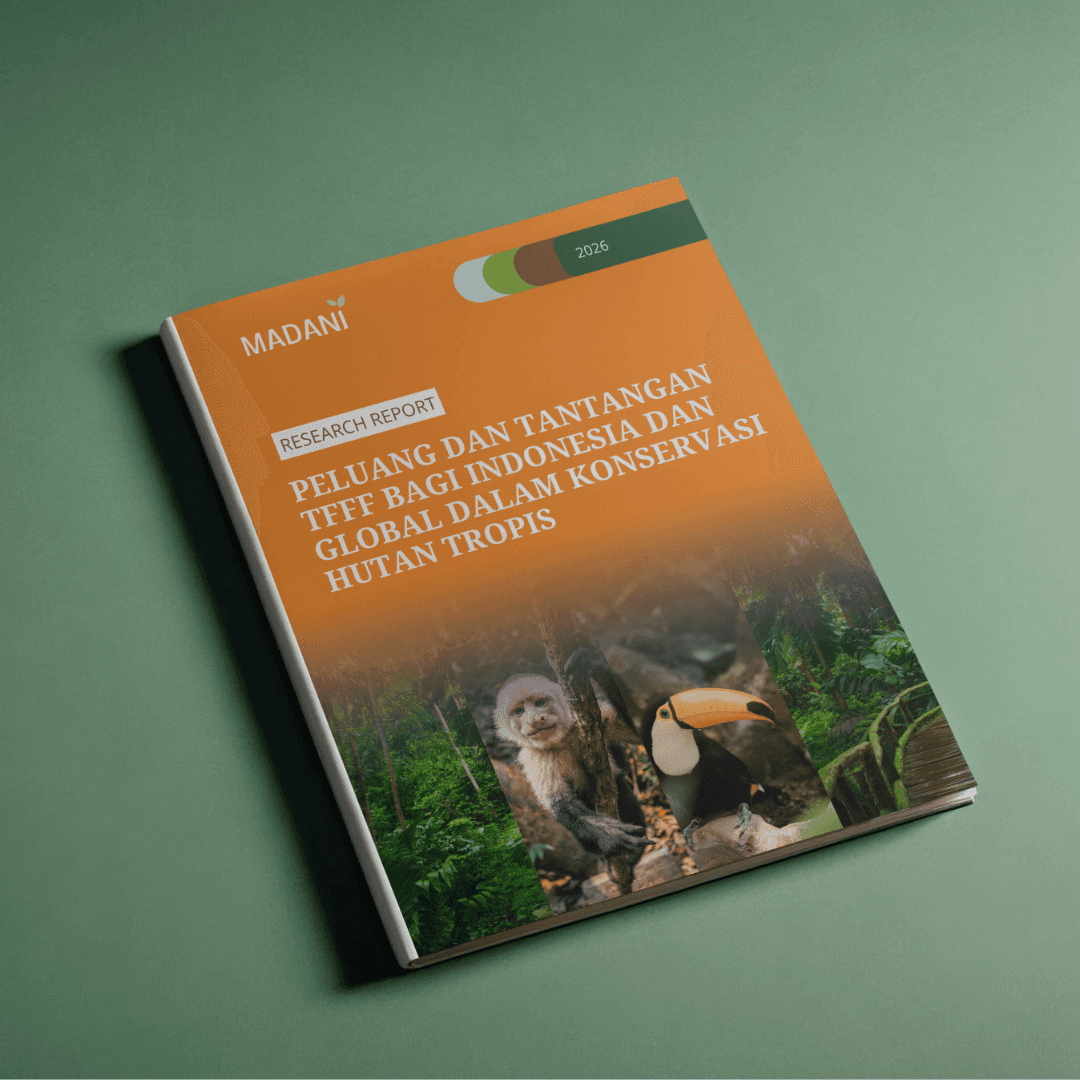
In the context of FOLU (forest and other land use), Brazil, as the country with the largest tropical rainforest, initiated the Tropical Forest Forever Facility (TFFF). This is an international funding scheme designed to provide long-term incentives to tropical forest countries capable of maintaining their natural forest cover.
How it works is quite simple: tropical countries that maintain their natural forest cover are given a financial incentive. The foundation of this incentive is not just about carbon, but also accounts for the presence of forests as part of an ecosystem that must be protected. Indonesia welcomes this initiative. During the state visit of Brazilian President Lula da Silva on October 23, 2025, this initiative became one of the topics of discussion. President Prabowo subsequently expressed support for this initiative and committed to providing up to USD 1 billion in funding. This commitment quite surprised many parties, because Indonesia should not have to 'pitch in' to this initiative, as Indonesia should be the one receiving the financial incentive.
But regardless of that shock, this scheme comes at a crucial time for Indonesia. The latest data shows that Indonesia still possesses around 90 million hectares of natural forest. This figure is not just a statistic, but a reflection of the policy choices that will determine the future direction of natural resource management. The TFFF could become a promising conservation financing option for Indonesia, provided it is designed to truly place forest protection as the primary objective, rather than just a financial instrument.