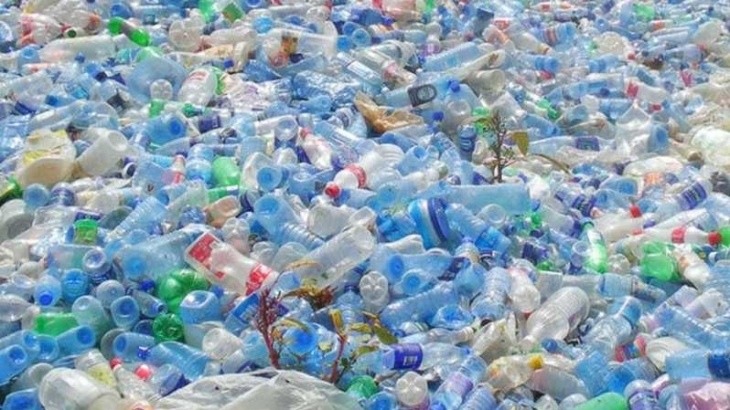
When plastic bottles are found scattered on the streets or washed up on the shore, the first thing people often blame is a lack of public awareness and concern for waste management. According to the 2018 Environmental Indifference Index released by the Central Statistics Agency (BPS), 72% of Indonesians are indifferent to waste. Littering has become a commonplace and commonplace culture.
However, this indifference to waste isn't solely directed at the public. They aren't the only ones responsible for the problem of plastic bottles, which aren't easily biodegradable. Long before plastic reaches the hands of consumers and is ultimately discarded, there's a production process undertaken by packaging or product manufacturers.
The choice of packaging materials, for example, for bottled drinking water (AMDK) used by the public, is the responsibility of the producer. Therefore, determining whether or not materials are environmentally friendly is crucial to reducing their environmental impact. Producer responsibility must extend beyond production and distribution, and beyond that, ensuring that products do not pollute the environment is an integral part of the producer's responsibility.
Get to know Extended Producers Responsibility (EPR)
This expanded responsibility is known as Extended Producer Responsibility (EPR). EPR is generally described as a pollution prevention policy that focuses on the product system rather than the production facility. Thus, responsibility for the product extends beyond the emissions and waste generated by the extraction or manufacturing process to include the management of the product after its disposal.
READ ALSO: Initiating Sustainable Urban Green Open Spaces
EPR is a mechanism or policy that requires producers to take responsibility for the products they make or sell (and their associated packaging) when those products or materials become waste. In other words, producers help cover the costs of collecting, transporting, recycling, and disposing of products or materials at the end of their life cycle.
In the product development and design process, decisions to reduce a product's environmental impact are often anticipated. Therefore, this starting point is crucial for waste reduction, as well as the adoption of reuse, reduction, and recycling.
Furthermore, the aim of EPR is to promote waste limitation and reduction efforts through internalizing environmental and economic costs into product recycling activities, meaning that the manufacture of a product must include environmental costs so that the product's life cycle can be guaranteed.
Challenges of EPR Implementation in Indonesia
The policy on EPR has actually been mandated in Law Number 18 of 2008 concerning Waste Management, specifically in Article 1 which states: “ Producers are obliged to manage the packaging and/or goods they produce that cannot or are difficult to decompose by natural processes .” Although this article does not textually mention EPR, the presence of this law becomes a legal basis for demanding the role and responsibility of producers in efforts to reduce and handle waste because producers, through the products and product packaging they produce, are one of the sources of waste generation.
However, despite being mandated by law, as stipulated in Government Regulation No. 81 of 2012, the implementation of EPR is not yet mandatory. EPR is still implemented voluntarily. From the perspective of manufacturers, implementing EPR will increase production costs, not to mention the expensive option of using biodegradable products. The use of biodegradable products will also shift the technology used, which will certainly be difficult and economically inefficient.
In addition, producers also see that EPR must be viewed within a larger management ecosystem, not only as the obligation of producers alone, but the government and the community have a role in environmental management, especially in waste management.
Middle Path Extended Producers Responsibility
Although not yet widely implemented, the practice of expanding corporate responsibility has actually begun to be implemented. Physical responsibility, where producers are involved in the physical management of products or the effects of products, has begun to be implemented. This is seen in the Take Back mechanism by companies, such as the use of refillable gallons of bottled drinking water, or the use of glass bottles for beverage packaging, which are good practices in limiting waste generation and an integral part of EPR. In addition, the growing public awareness of environmental care by reducing or replacing the use of plastic products with the use of tumblers, recycled straws, and food containers is a strength for the implementation of EPR going forward.
However, with population growth continuing to rise annually, the Take Back mechanism is insufficient to address the complex issue of waste, particularly plastic bottles, which are difficult to decompose naturally. However, achieving comprehensive implementation of EPR is certainly no easy feat. Therefore, a compromise is needed to bridge the gap between protection interests on the one hand and the economic climate for investment on the other.
READ ALSO: Electronic Waste: A Threat We Shouldn't Forget
To limit plastic bottle production, manufacturers can implement Water Stations placed in supermarkets and kiosks. If tumbler use by individuals and the public begins to become widespread, the next problem that arises is water refills, especially for outdoor activities. The lack of Water Stations has resulted in a high demand for single-use plastic bottles. With Water Stations , consumers still pay for water refills, but at a lower cost than buying plastic bottles. This will encourage individuals and communities to switch to reusable products rather than single-use ones.
Additionally, manufacturers can implement bulk stores . Bulk stores are self-service refill stations for products like soap, shampoo, and other household necessities, which often use plastic. With bulk stores , people can simply bring in empty product packaging or their own containers to be refilled. This will undoubtedly reduce the potential for plastic waste.
Ultimately, while not yet comprehensive, EPR practices can still be implemented. The expanded corporate responsibility approach shouldn't be considered only after the product has been produced and distributed. By limiting potential waste from the outset, EPR practices can be more easily implemented, thereby maintaining environmental sustainability and the investment climate.
By: Muhammad Wahdini
The driving force behind the BangSaku Movement, a Balikpapan resident