[Press Release, 28 June 2024] The Government of Indonesia has demonstrated its commitment to addressing the climate crisis through the preparation of its Nationally Determined Contribution (NDC) documents—from the First NDC, the Updated NDC, and most recently, the Enhanced NDC. However, we believe that the NDC drafting process in Indonesia has not yet fully reflected the principles of transparency and inclusive, meaningful participation—particularly for climate-affected communities and non-central government actors commonly referred to as Non-Party Stakeholders (NPS).
As Indonesia enters the momentum of preparing its Second NDC (SNDC), the government must take serious steps to engage those most at risk from the impacts of climate change, including traditional fishers, farmers, Indigenous Peoples, women, persons with disabilities, children, and older persons, in decision-making processes related to climate policy. This was stated by Nadia Hadad, Executive Director of MADANI Berkelanjutan, who expressed strong support for vulnerable communities in voicing their aspirations through the Open Letter “Protect the People of Indonesia Today and Tomorrow: Ensure Meaningful Participation in the Development of Indonesia’s Climate Commitment (Second NDC).”
“Indonesia’s Second NDC should not only be ambitious, but must also contain concrete commitments and be developed through a participatory, inclusive, and just process. To achieve this, the dimensions of climate justice—including distributive justice, recognitional justice, procedural justice, restorative-corrective justice, and gender justice—must be automatically ensured and provided by the government as part of fulfilling citizens’ constitutional human rights,” Nadia added.
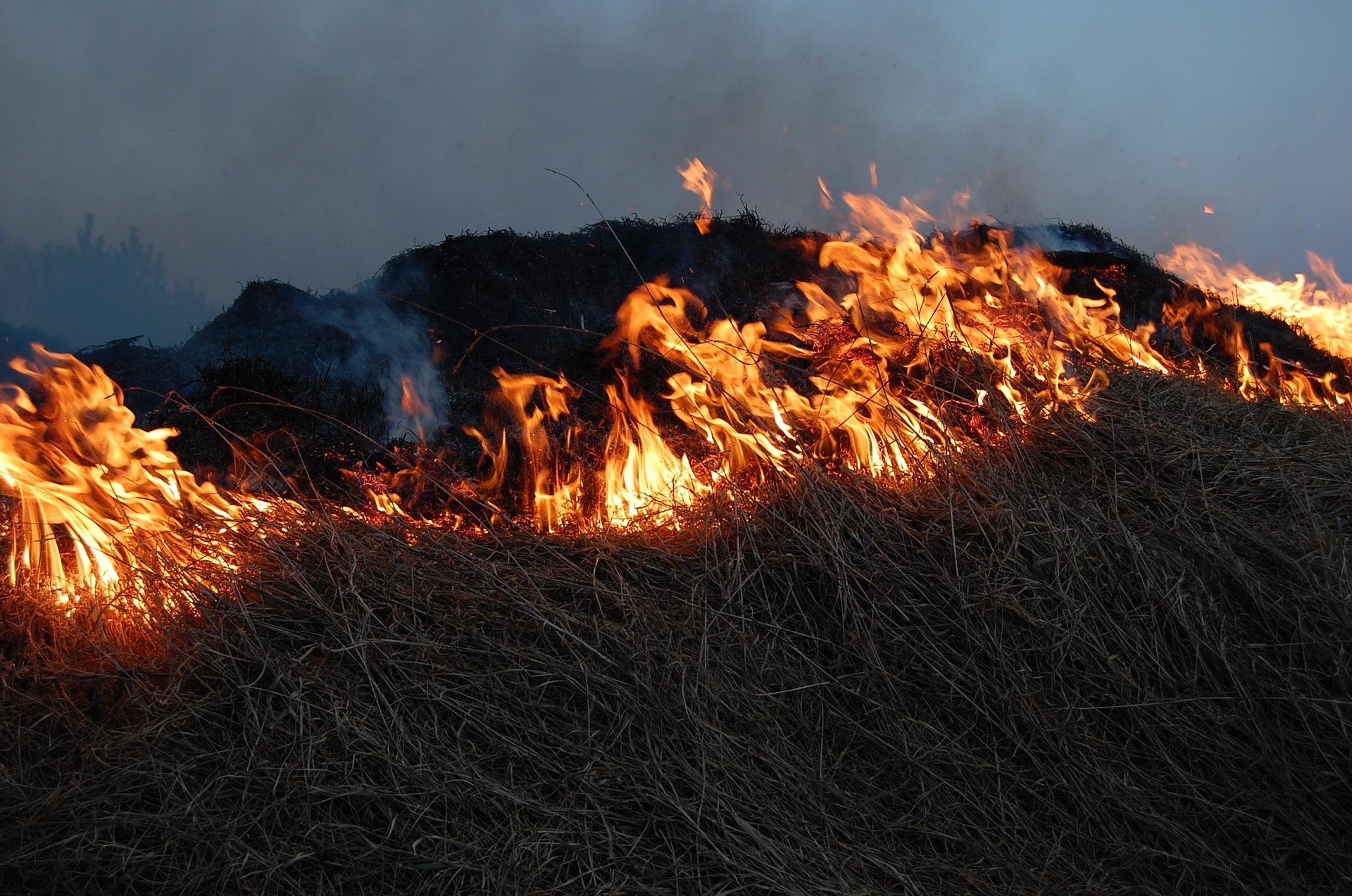
Climate adaptation and mitigation actions have profound impacts on communities and ecosystems. Extreme weather, drought, floods, tidal surges, land subsidence, and forest and land fires have displaced people, caused loss of life, damaged the livelihoods of fishers, farmers, and Indigenous communities, and even paralyzed local economies.
“Persons with disabilities, women, children, older persons, the urban and rural poor, smallholder farmers, and traditional fishers bear a much heavier burden due to the lack of capacity and support available for them to cope and survive,” said Torry Kuswardono, Executive Director of Yayasan Pikul.
Armayanti Sanusi, Chair of Solidaritas Perempuan, emphasized ongoing discrimination against women’s meaningful involvement:
“In reality, the stages of NDC formulation still discriminate against women’s participation throughout the planning and monitoring of climate adaptation and mitigation efforts in Indonesia. Furthermore, mitigation schemes continue to be prioritized over adaptation measures, even though women urgently need adaptation support to survive climate crises and disasters.”
She further noted that projects promoted as part of Indonesia’s clean energy transition—such as geothermal downstream development and hydropower plants—have instead placed women in layered vulnerabilities through widespread land dispossession, forced evictions from women’s living spaces, and the erosion of local knowledge, leading to structural inequalities and feminization of poverty among women farmers, fishers, and Indigenous women.
Meanwhile, Farhan Helmy, President of the Disability and Older Persons Movement (DILANS) Indonesia, stressed the urgency of inclusion:
“There are around 50 million older persons and persons with disabilities in Indonesia, and nearly 2 billion globally. They deserve to be involved in all decision-making processes. Unfortunately, the drafting of the Second NDC has not shown any real alignment with climate justice for vulnerable communities. The principles of ‘No One Left Behind’ and ‘Nothing About Us Without Us’ are not visible—and may not even be understood in practice,” he added.
Coastal communities, particularly those living in fishing areas, have also not been inclusively engaged.
“It is crucial to ensure that the voices of traditional fishers are heard and taken into account in addressing climate change, especially in the context of developing the Second NDC,” stressed Dani Setiawan, Chairperson of the Indonesian Traditional Fishers Union (KNTI).
A 2023 survey conducted by KNTI found that climate change has reduced fish catches by 72%, decreased income by 83%, and increased accident risks at sea by 86%. Without fisher involvement, resulting policies risk being irrelevant and ineffective on the ground. Traditional fishers do not want to remain mere objects of policy, but rather active subjects in decision-making processes.
Hendra Wiguna, Chairperson of the Indonesian Coastal Youth and Student Union (KPPMPI), highlighted the declining number of fishers due to rising risks at sea and worsening marine health caused by climate change.
He warned that this trend must be urgently addressed, as it will have broader impacts on food security and employment absorption in the fisheries sector. Therefore, climate-related policies must be deliberated together with food-system actors, including fishers, fish farmers, farmers, and livestock breeders.
“Through such engagement, we hope that policies produced will truly reflect the needs of communities affected by climate change and strengthen adaptive capacity among young fishers and other coastal livelihood actors,” Hendra added.
Youth activists also expressed concern that Indonesia’s demographic future is at stake.
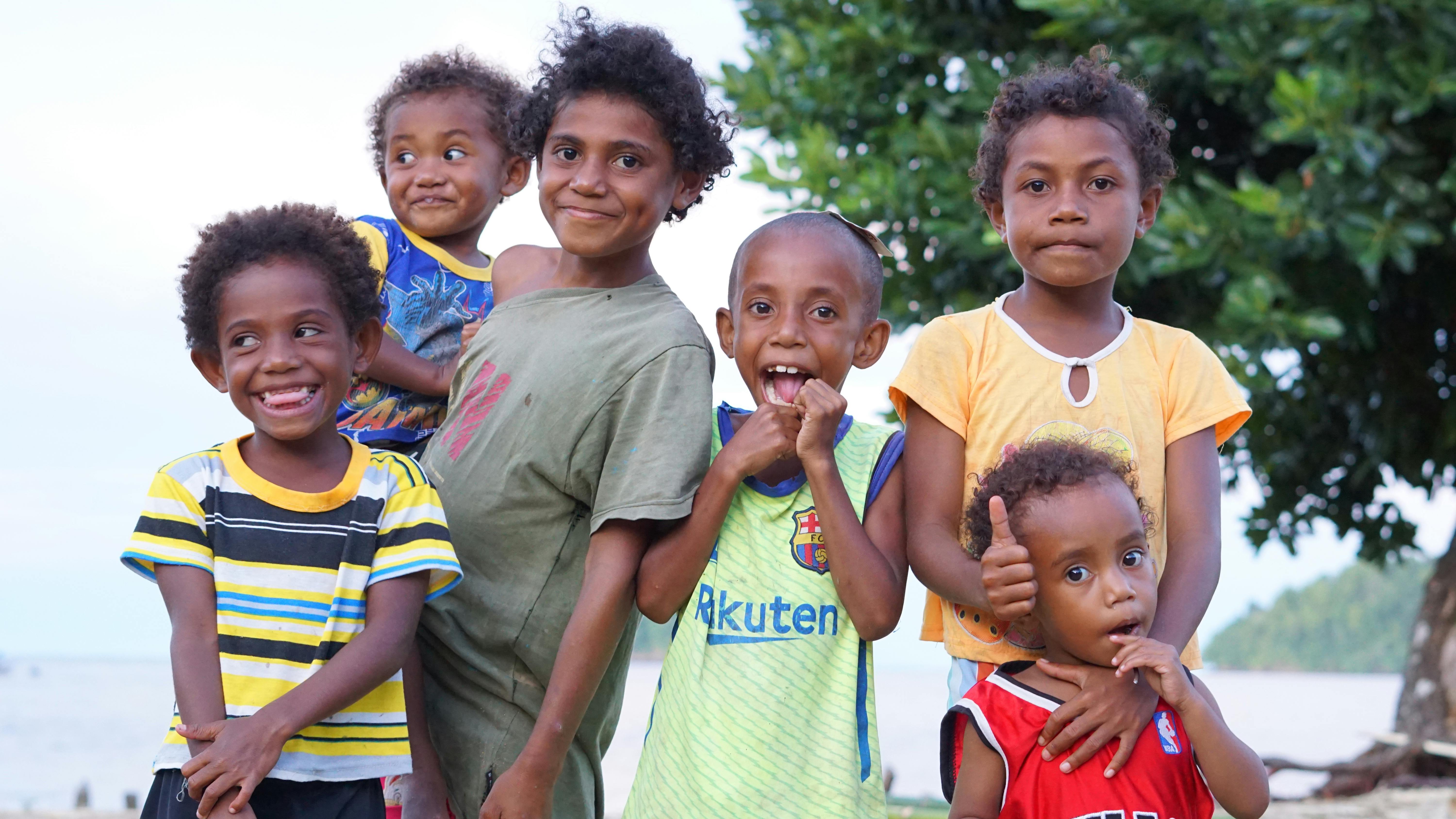
“Around 68 million young people make up the majority of Indonesia’s population. Their future, which the government expects as a demographic bonus, is under threat as ecological disasters driven by climate change worsen. Without climate laws prioritizing justice and meaningful public participation, all young people will become victims,” said Decmonth from Extinction Rebellion Indonesia.
“As part of Indonesian society directly affected by the climate crisis, we aspire to climate justice for the people of Indonesia and demand that the drafting of the Second NDC truly reflects an inclusive and meaningful participatory process. Climate action designed without such participation can bring even greater harm,” Torry Kuswardono concluded.
This open letter was addressed to the Minister of Environment and Forestry and signed by 32 civil society organizations working on climate justice issues.
Media Contacts
Luluk Uliyah, MADANI Berkelanjutan – luluk@madaniberkelanjutan.id
Torry Kuswardono, Yayasan Pikul – torry@pikul.id
Armayanti Sanusi, Solidaritas Perempuan – armayantisanusi@solidaritasperempuan.org
Farhan Helmy, DILANS Indonesia – farhan.helmy@dilansindonesia.org
Dani Setiawan, KNTI – bungdani05@gmail.com
Hendra Wiguna, KPPMPI – hwiguna16@gmail.com
Decmonth, Extinction Rebellion Indonesia