[1 September 2022] The Environment, Climate Justice, and Energy Transition Working Group (ECE WG) of C20 Indonesia urges G20 leaders to declare more ambitious commitments to address climate change and to embed the principles of climate justice across all aspects of climate mitigation, adaptation, and finance at the G20 Summit in November 2022.
The ECE WG of C20 Indonesia regrets the inability of G20 environment and climate ministers to reach a joint communiqué, despite ongoing discussions on the climate crisis. The G20 brings together both developed and developing countries, collectively accounting for around 80 percent of global GDP and 75 percent of international trade. At the same time, these economic activities are responsible for approximately 75 percent of global greenhouse gas (GHG) emissions.
The ECE Working Group supports the agendas outlined in the Chair’s Summary, including efforts to address land degradation and drought; strengthen protection, conservation, and sustainable restoration of terrestrial and forest ecosystems to tackle climate change and biodiversity loss; reduce pollution and environmental damage; improve waste management; promote sustainable water resource management; address marine debris; advance marine conservation; and accelerate the circular economy—several points that were acknowledged by the ministers.
However, there has been no discussion or even mention of timelines, leadership, or financing mechanisms to achieve these goals. One major concern is that 71 percent of public climate finance is delivered in the form of loans, further deepening the debt burden of developing countries—many of which are already facing severe debt stress amid multiple crises and are bearing the climate debt of the Global North, despite having contributed least to the climate crisis.
To deliver meaningful outcomes, we urge G20 leaders to advance concrete and measurable climate action plans, especially for those most at risk. This includes strengthening their capacity for climate mitigation and adaptation, and formally recognizing the roles of children and youth—particularly girls and young women—women, Indigenous Peoples, older persons, and persons with disabilities across all climate actions, including decision-making processes.
The lack of coordination between the Environment Deputies Meeting and Climate Sustainability Working Group (EDM-CWSG), the Energy Transition Working Group (ETWG), and the G20 Indonesia Finance Track is another critical issue. Climate and environmental challenges cannot be addressed in isolation from energy and economic policy outcomes. The energy sector remains the largest contributor to global GHG emissions.
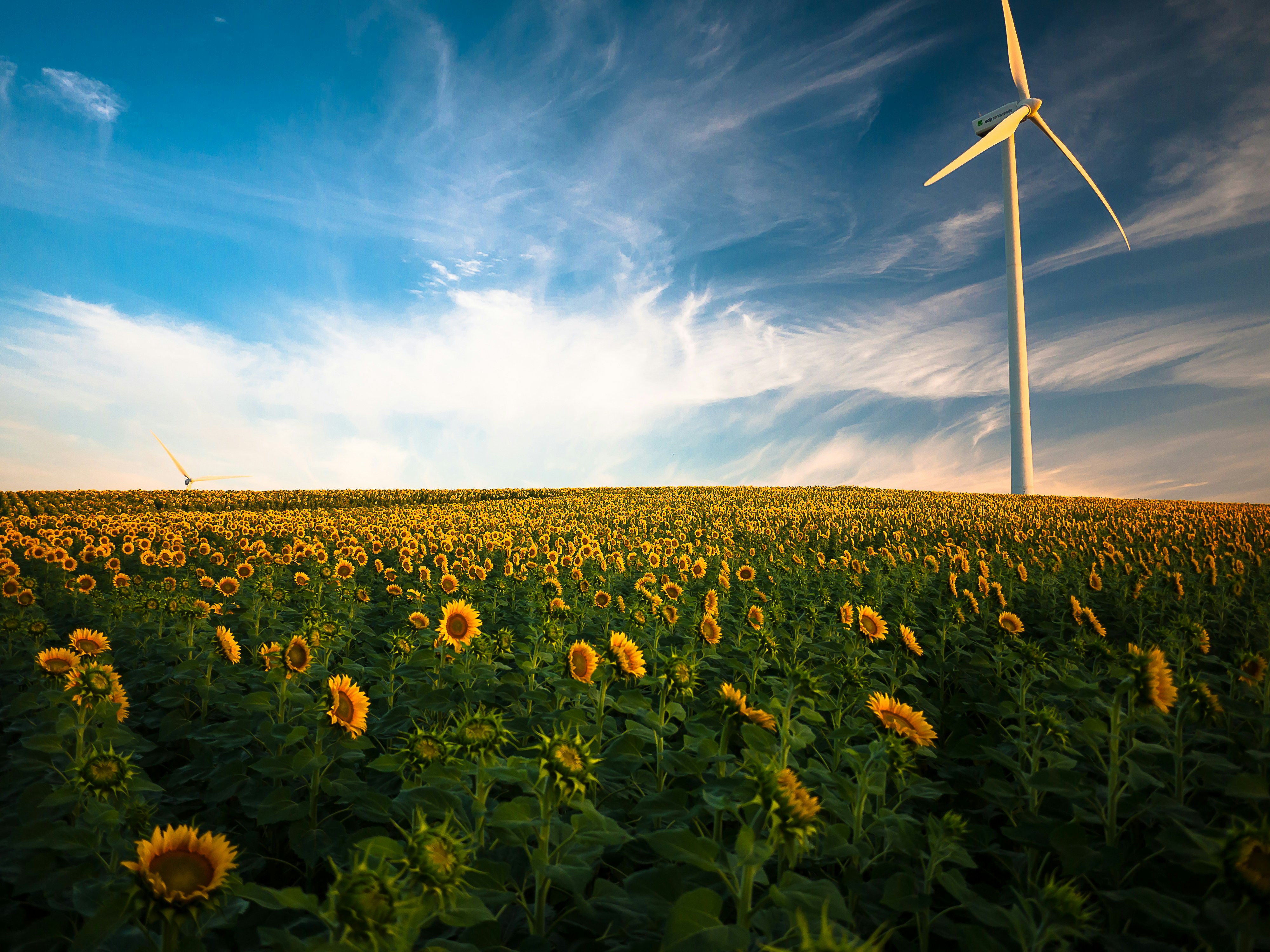
Therefore, the ECE Working Group urges G20 leaders to align a just energy transition with efforts to meet the 1.5°C target under the Paris Agreement, and to commit to sustainable resource governance that balances environmental protection with the accelerated development of renewable energy infrastructure—recognizing that such infrastructure requires large quantities of minerals and natural resources. We also call on G20 countries to immediately halt investments in fossil fuel industries, which have increased amid the Russia–Ukraine conflict.
According to the Climate Transparency Report 2021, none of the G20 countries currently have climate ambitions sufficient to prevent global temperature rise from exceeding 1.5°C. Without strong commitments from the world’s largest economies, countries and communities least responsible for climate change will continue to suffer the most severe impacts. The latest IPCC report shows that humanity has less than three years to transform global emission pathways, and warns that extreme weather events and natural disasters will become more frequent, more intense, and more damaging—especially for vulnerable communities in the Global South. The climate crisis has already resulted in deaths, droughts, hunger, species extinction at local levels, forced migration, and economic losses amounting to billions of US dollars.
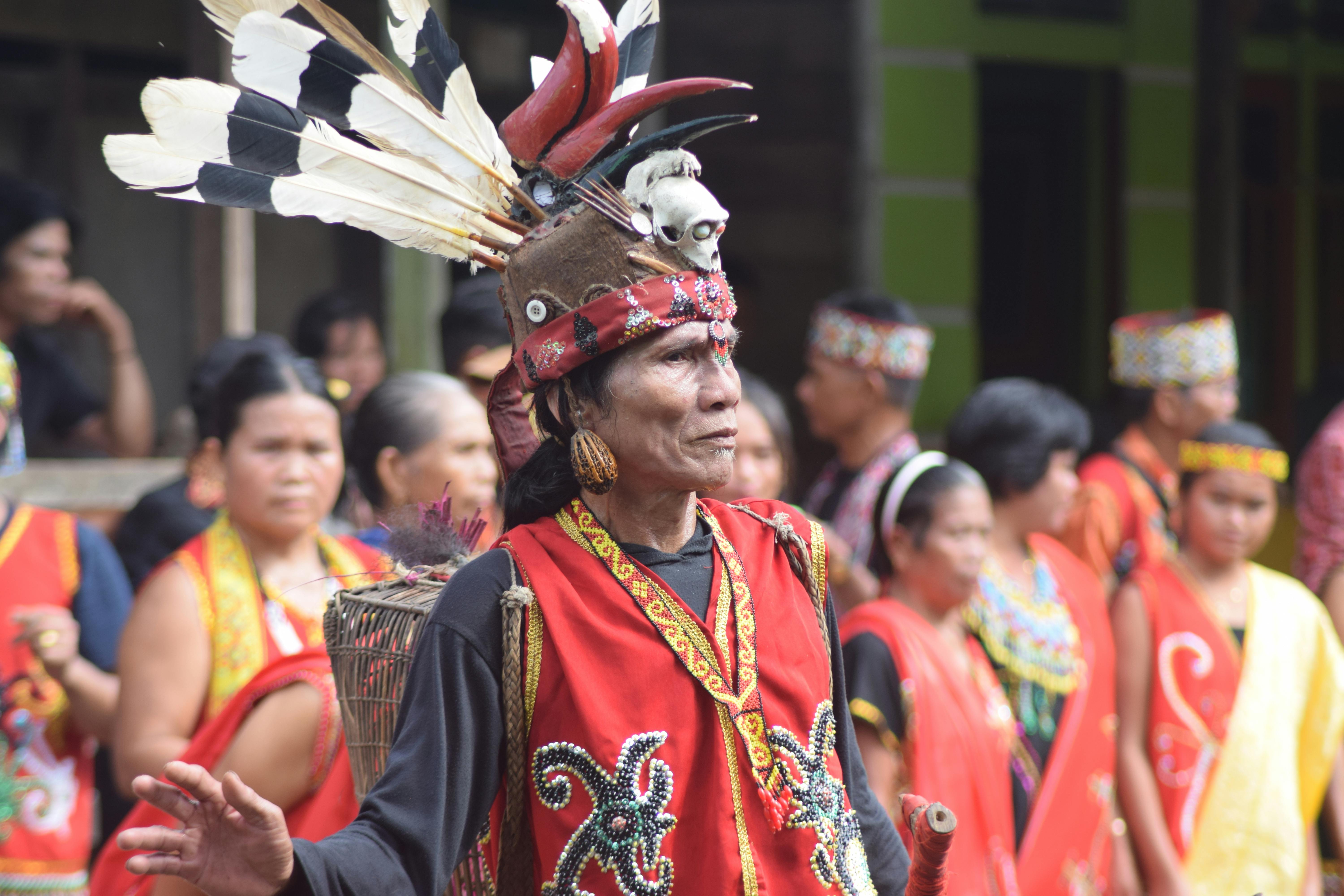
Indigenous Peoples, local communities, and civil society remain inadequately involved in climate and environmental planning processes. Development and climate initiatives have often treated vulnerable groups merely as victims, rather than as agents of change who can lead and actively participate in decision-making. Many environmental projects designed without community participation have resulted in maladaptation, exacerbating problems rather than solving them.
“G20 countries should also be able to agree on more ambitious commitments to halt the destruction of natural ecosystems—terrestrial, coastal, and marine—and to accelerate ecosystem restoration as part of efforts to keep global temperature rise below 1.5°C. Protecting natural ecosystems, especially remaining natural forests, is a highly cost-effective climate mitigation strategy within the AFOLU sector. To achieve climate and environmental justice, energy transition and economic recovery efforts must always involve and respect community rights and go hand in hand with ecosystem protection and restoration,” said Anggalia Putri, Coordinator of the AFOLU and Rights Sub-Working Group of the ECE WG C20 Indonesia, who attended the third EDM-CWSG meeting on Monday, 29 August, as an observer.
Finally, we urge all global leaders—both G20 members and non-members—to ensure the protection of environmental defenders through legal measures and to put an end to all forms of violence, threats, intimidation, and criminalization.
For more information, please contact us at wgecjet@civil-20.org.
A summary of the ECE WG C20 Indonesia’s key demands can be found in the Executive Summary Policy Pack of the ECE WG C20 Indonesia, available via the provided link.