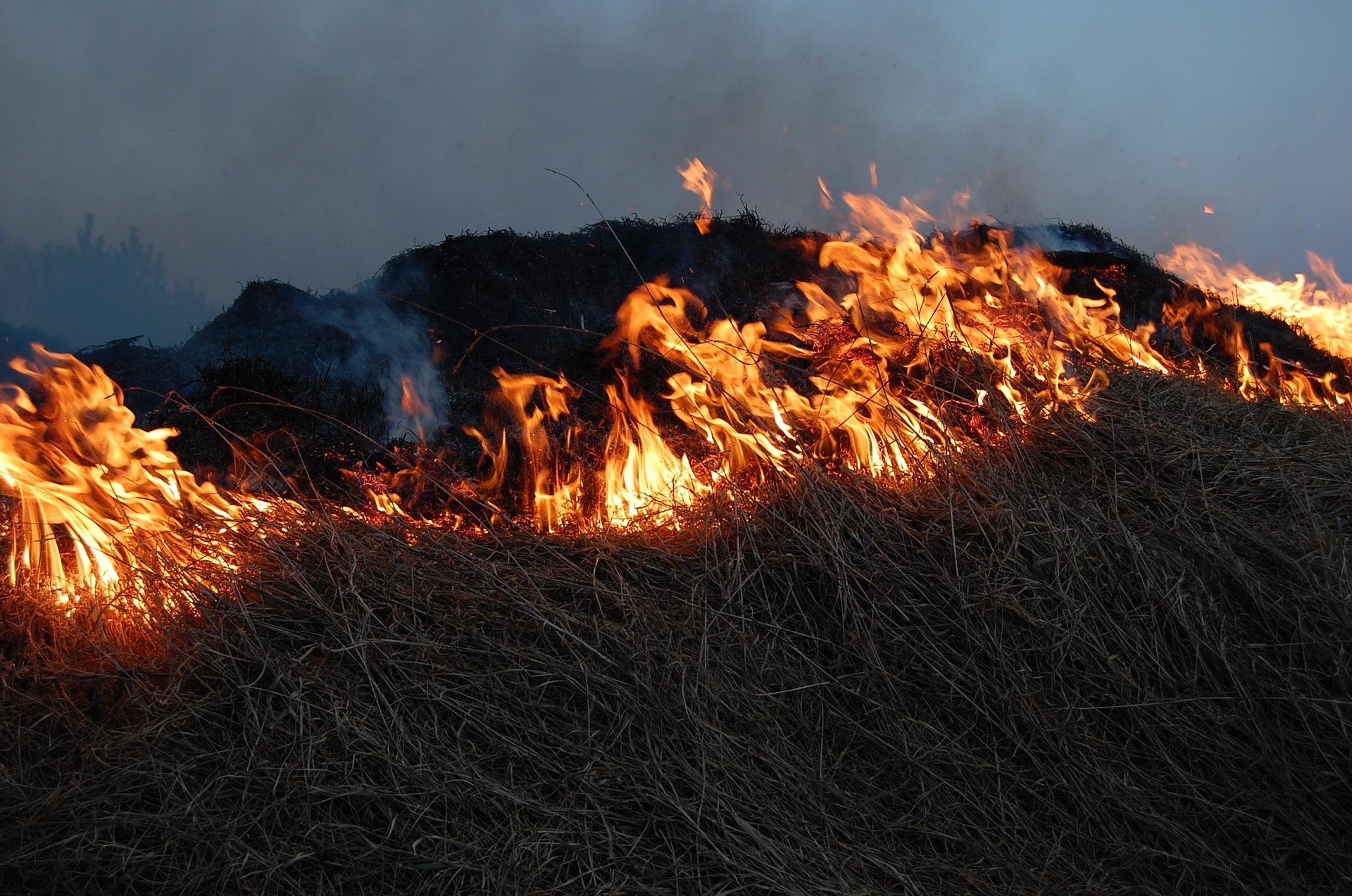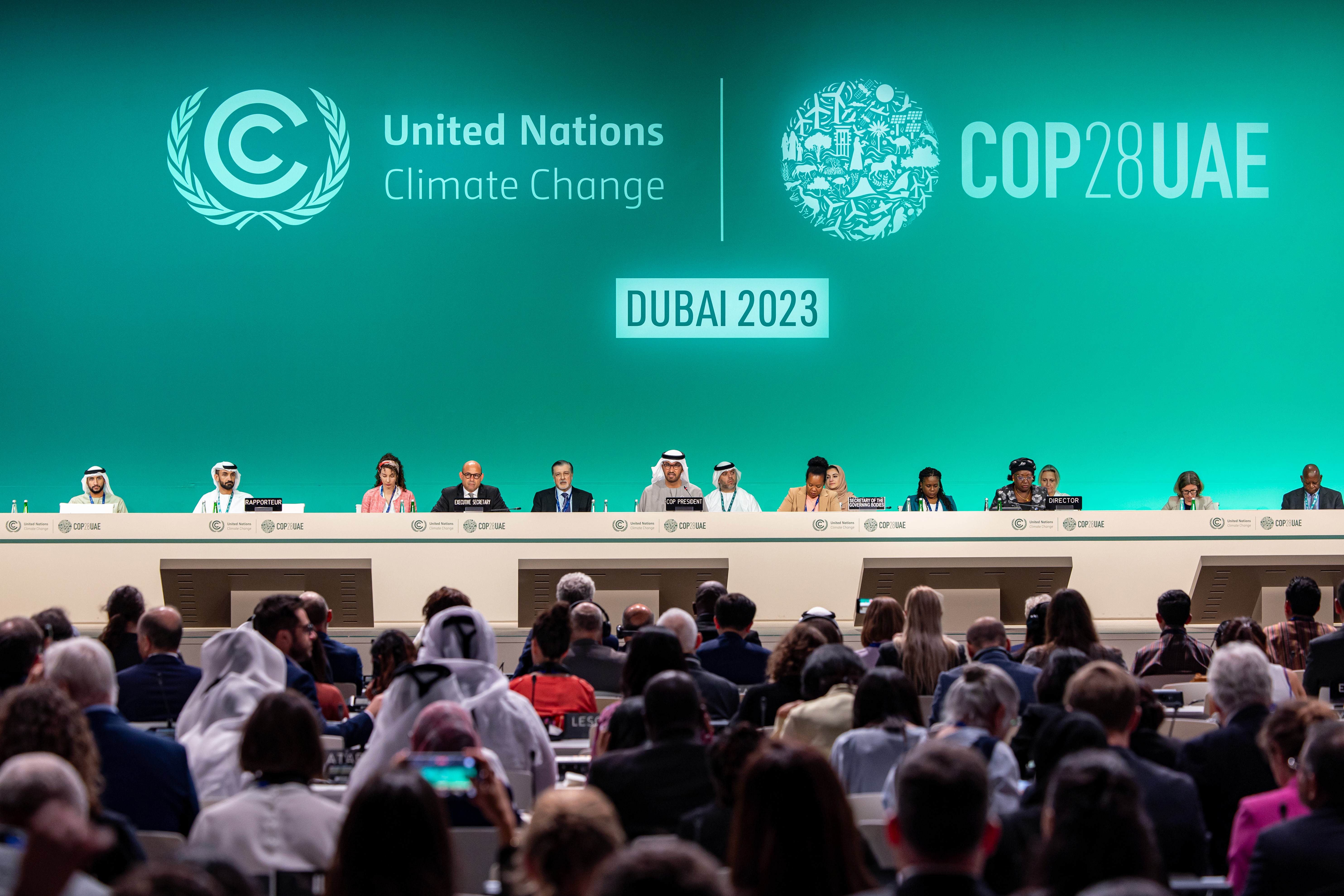
[Jakarta, 2 December 2023]Climate change has become a global crisis. The UN Secretary-General has warned that the world has entered an era of “global boiling.” The impacts of the climate crisis are already deeply felt across Indonesia, including rising frequency and intensity of floods, typhoons, storms, high waves, droughts, and extreme weather events. In 2023 alone, forest and land fires burned over one million hectares. Communities are facing crop failures, the spread of diseases and new pandemics, coral reef destruction, marine ecosystem collapse, and even the loss of islands and coastal territories.
As a tropical archipelagic nation, Indonesia ranks as the third most vulnerable country to climate impacts globally (World Bank, 2021). If the crisis worsens, Indonesia’s GDP could decline by up to 7 percent by 2100. The most severe impacts continue to fall disproportionately on vulnerable communities who have contributed least to the crisis (IPCC AR6 Synthesis Report).
To avoid catastrophic climate impacts, immediate action is essential. This decade (2020–2030) is our last opportunity to act. The decisions taken now will determine the fate of the planet and humanity for thousands of years. Climate action must go beyond mitigation (emission reduction); it must also strengthen adaptation and address Loss and Damage. Crucially, climate action must be just—eliminating ecological, socio-economic, and political inequalities while preventing new injustices from arising.
Yet global commitments remain far from sufficient. The first Global Stocktake released by the UNFCCC in September 2023 shows that global emissions continue to rise, climate finance commitments from developed countries remain unmet, and adaptation support is grossly inadequate (WRI, 2023).
For COP28 (30 November–12 December), Indonesian civil society calls on the Government of Indonesia and the international community to adopt bold political commitments and mandates for just and ambitious climate action.
Seven Outcomes COP28 Must Deliver
1. Adequate Support for Countries and Communities Most Affected
COP28 must agree on a concrete funding target for Loss and Damage. Developed countries must fulfill their fair share of financing under the principle of Common But Differentiated Responsibilities (CBDR). Funding must be new, additional, and adequate.
Loss and Damage mechanisms must be simple, accessible, and based on vulnerability and capacity assessments. Funds must directly support reconstruction, restoration, rehabilitation, displacement assistance, and compensation for economic and non-economic losses, including cultural heritage and biodiversity.
2. Strengthen NDCs in Line with Global Stocktake
Countries must enhance their NDCs to close the 2030 emissions gap (20.3–23.9 Gt CO₂e) without undermining adaptation capacity in developing countries or violating human rights. The next NDC revision must be more participatory and inclusive of non-state actors.
3. Adopt a Global Target to Phase Out All Fossil Fuels
All fossil fuels—without exception—must be phased out, including on-grid, off-grid, and captive systems. Transition must be just, protecting workers, communities, gender rights, land rights, and the right to a healthy environment.
4. Adopt a Global Target to Halt and Restore Ecosystems by 2030
Six of nine planetary boundaries have already been crossed. COP28 must commit to halting ecosystem destruction and restoring forests, coasts, mangroves, and oceans before further irreversible damage occurs.
5. Radical Systemic Change in Food, Energy, Land Use, and Development
Production and consumption systems must reflect their real emissions footprint across value chains. This includes renewable energy expansion, sustainable land management, and shifting away from extractive models.
6. Recognize the Rights and Roles of Indigenous Peoples and Local Communities
Secure tenure rights must be guaranteed as a precondition for effective climate action. Direct and accessible climate finance must reach Indigenous Peoples, local communities, coastal communities, and vulnerable groups including women, youth, persons with disabilities, farmers, fishers, and workers.
7. Acknowledge the Failure of Wealthy Countries’ Leadership
Negotiation leadership should shift toward vulnerable countries. Climate colonialism—where wealthy nations continue benefiting from extractive systems while poor nations bear the cost—must end, including through debt relief.
Call to the Indonesian Delegation
Return to the Ground Reality
Natural forests continue to decline. Small islands are threatened. Data from civil society show 6.5 million hectares of natural forest loss between 2001–2022, including mangroves (Mapbiomas, 2023).
Strengthen Indonesia’s Second NDC in Line with 1.5°C
The Second NDC must reflect Global Stocktake findings, involve vulnerable groups, and assign mitigation and adaptation responsibilities to those most responsible for emissions.
Align Development with Emissions Reduction
Stop National Strategic Projects (PSN) that increase emissions or undermine adaptive capacity, including land-based expansion, food estate programs, mining, industrial zones, and large-scale infrastructure.
Integrate Mitigation and Adaptation
Ensure mitigation actions do not undermine adaptation capacity and allocate balanced climate finance.
Implement a Just Energy Transition
Energy transition must eliminate existing injustices, protect workers, prioritize social return on investment, and support locally led transition pathways.
Protect and Restore Ecosystems
Stop land conversion that undermines adaptation and biodiversity and contradicts emissions reduction goals.
Prepare for Increasing Climate Disasters
Develop locally led adaptation mechanisms and ensure Loss and Damage funds reach affected communities, prioritizing vulnerable groups.
Recognize and Protect Indigenous and Local Rights
Secure land rights and integrate local wisdom into climate action.
Conduct Human Rights Due Diligence
Protect workers’ rights during the transition, including reforming labor regulations that undermine protection.
End Criminalization and Intimidation
Protect environmental defenders and citizens advocating for a clean and healthy environment.
Redirect Climate Finance
Shift funding from high-emission sectors to restoration and ensure climate finance is accessible, fair, and does not create debt traps.
Ensure the New Government Raises Climate Ambition
Climate solutions must deliver real emission reductions. Reliance solely on market mechanisms is insufficient.
Supported by:
Yayasan Auriga Nusantara
Perkumpulan HuMa
Yayasan Humanis dan Inovasi Sosial
Yayasan MADANI Berkelanjutan
Perkumpulan Mandala Katalika Indonesia (Manka)
Yayasan PIKUL
Institute for Essential Services Reform (IESR)
Yayasan EcoNusa
Kemitraan
Yayasan Intsia Papua
TuK Indonesia
PWYP Indonesia
Forest Watch Indonesia (FWI)
Yayasan Pusaka Bentala Rakyat
Working Group ICCAs Indonesia
Trend Asia
WALHI Nasional
Kesatuan Nelayan Tradisional Indonesia (KNTI)
Koaksi Indonesia