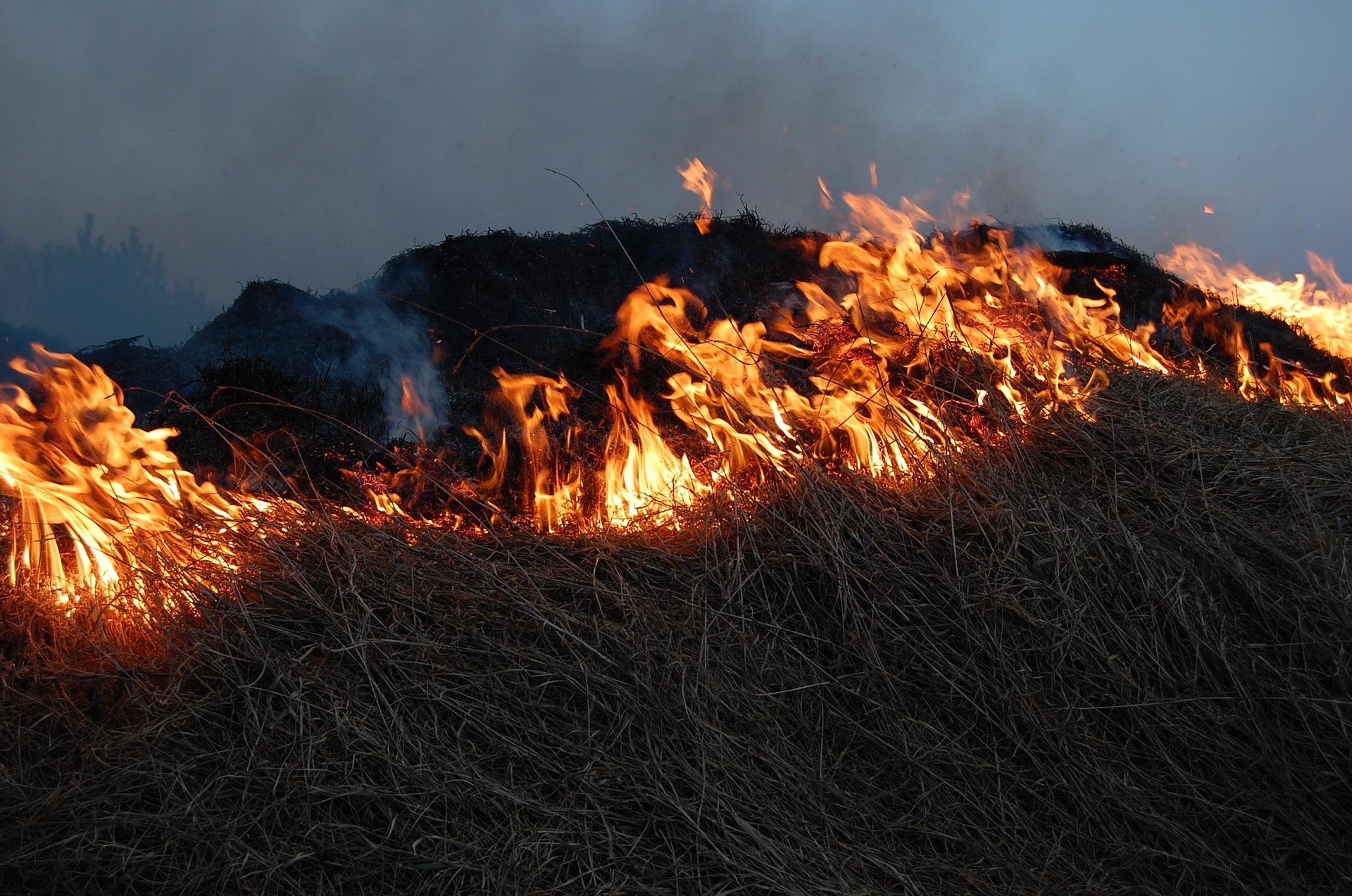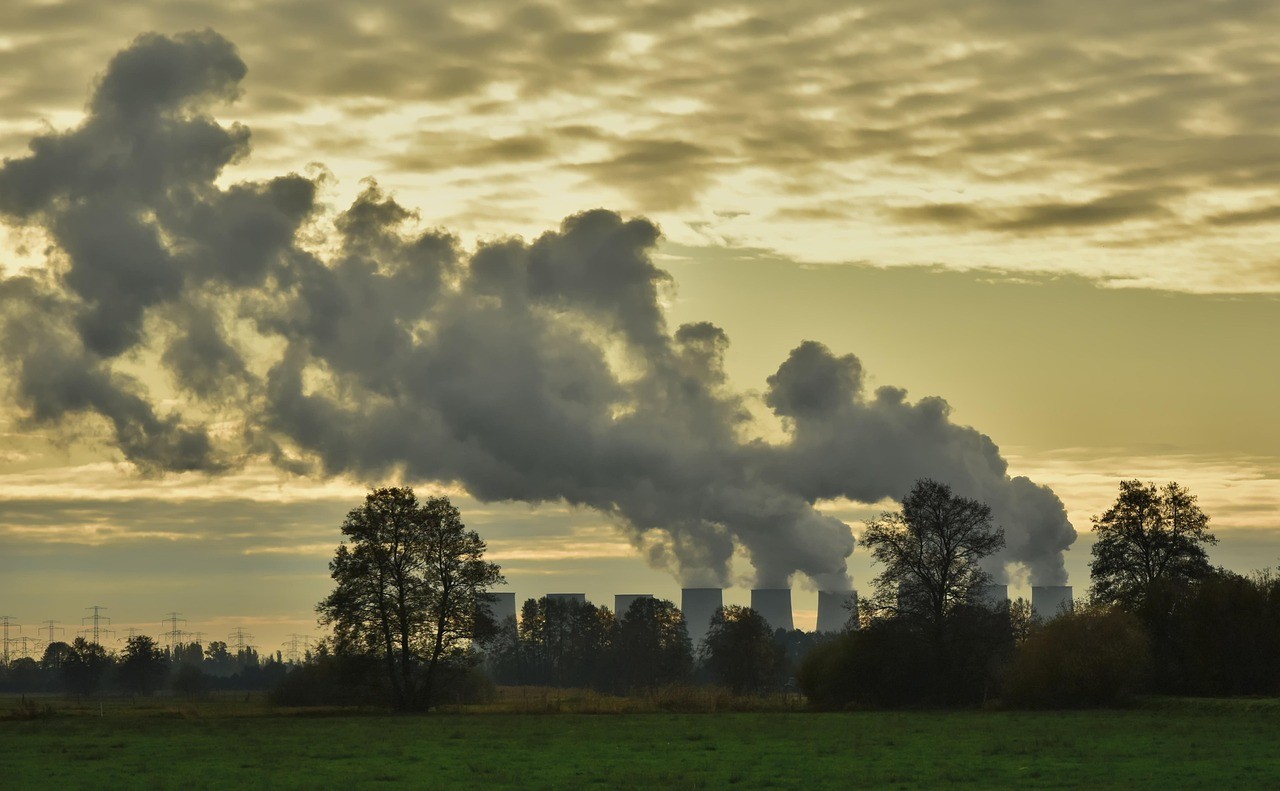
[Jakarta, Tuesday, 5 April 2022] The IPCC Mitigation Report released on 4 April 2022 clearly states that immediate action is needed to cut global emissions by half by 2030 in order to keep global warming within the 1.5°C limit. Current national climate commitments (NDCs) would instead put the world on a path toward 2.8°C of warming by 2100—far beyond the safe threshold of 1.5°C.
The report also emphasizes that while emissions reductions in the agriculture, forestry, and land-use (AFOLU) sector can significantly lower global emissions, they cannot compensate for delays in reducing emissions in other sectors.
“Therefore, if future generations in Indonesia are to have a chance to survive, the government must do two things at the same time: drastically cut fossil fuel use and protect and restore remaining natural ecosystems that play a crucial role in absorbing greenhouse gas emissions from the atmosphere. This includes protecting all remaining natural forest landscapes, ending peatland drainage and conversion, and massively protecting and restoring mangroves,” said Nadia Hadad, Executive Director of Yayasan Madani Berkelanjutan, responding to the IPCC Mitigation Report.
Madani’s spatial analysis shows that around 9.7 million hectares of Indonesia’s natural forests and 2.9 million hectares of peatland ecosystems—located outside existing permits/concessions and areas allocated for social forestry—are still not protected by the policy suspending new permits. These natural forests urgently need to be safeguarded through stronger policy instruments. In addition, around 27.2 million hectares of natural forests located within permits and concessions (including palm oil, natural forest concessions, plantation forests, mining, and oil and gas concessions) also require clear strategies for protection.
“The Indonesian government has set the ambitious Indonesia FOLU Net Sink 2030 target, aiming for the forestry and land-use sector to shift from being a source of emissions to a net carbon sink by 2030. One of its key objectives is reducing deforestation and degradation. This ambition deserves appreciation and strong support. However, it must also be clearly reflected in Indonesia’s NDC, which is scheduled to be updated again in 2022 through the Second Updated NDC,” said Yosi Amelia, Forest and Climate Program Officer at Yayasan Madani Berkelanjutan.
The government has also introduced the Carbon Economic Value (Nilai Ekonomi Karbon/NEK) policy to help achieve Indonesia’s NDC targets and control emissions from development activities.
“Given the urgency of emissions reductions and the 2030 timeline, the Carbon Economic Value framework must prioritize actions that genuinely reduce emissions from the atmosphere—including those carried out by Indigenous Peoples and local communities as forest stewards. It should not rely on loosely regulated offsets, which, without strict rules and transparency, could instead weaken climate ambition,” Yosi Amelia added.
The IPCC Report also notes that maximizing mitigation potential in the AFOLU sector requires policies that directly address emissions and promote land-based mitigation options—one of which is securing and respecting land tenure rights and supporting community-based forest management.
“In this regard, the Indonesian government deserves recognition, as the Updated NDC emphasizes respect for and recognition of Indigenous and local community rights through empowerment and inclusion in development. The government has also opened pathways for community forest management through the Social Forestry program. However, the issuance of social forestry permits remains far below the government’s stated targets. Meanwhile, social forestry is a key strategy under the Indonesia FOLU Net Sink 2030 framework. To ensure alignment, the government must accelerate social forestry permitting for Indigenous and local communities and strengthen support for implementation,” Yosi Amelia added.
Local governments, as key non-party stakeholders, play a critical role in implementing emission reduction actions on the ground.
“To accelerate the achievement of Indonesia’s climate commitments, local governments have been mandated to take part in climate mitigation and adaptation efforts, as well as in implementing the Carbon Economic Value framework under Presidential Regulation No. 98/2021. More specifically, provincial governments are required to develop baselines, targets, and action plans for greenhouse gas reductions; provide guidance; conduct inventories; and monitor and report emission reduction actions.
To carry out these mandates, it is essential to ensure alignment between national and regional policies, strengthen local capacity for sustainable planning, expand access to green finance, and encourage multisectoral involvement—including academia and the private sector—to support low-carbon and climate-resilient development,” said Resni Soviyana, Green Development Program Officer at Yayasan Madani Berkelanjutan.
M. Arief Virgy, Biofuel Program Officer at Yayasan Madani Berkelanjutan, added that the Draft Renewable Energy Law (RUU EBT) presents a strategic opportunity for Indonesia to accelerate the transition from fossil fuels to renewable energy, including biofuels as a transitional energy source.
“However, for national biofuel policies to align with Indonesia’s climate commitments and net zero goals, the Renewable Energy Bill must include strong provisions ensuring social and environmental sustainability across the entire biofuel value chain—from upstream to downstream. It must also prioritize feedstock diversification, with a strong emphasis on second-generation biofuels and waste-based technologies,” said M. Arief Virgy.
Media Contacts:
Nadia Hadad – Executive Director, Yayasan Madani Berkelanjutan
Phone: +62 811 132 081
Yosi Amelia – Forest and Climate Program Officer
Phone: +62 813 2217 1803
M. Arief Virgy – Biofuel Program Officer
Phone: +62 859 2614 0003
Luluk Uliyah – Senior Media Communication
Phone: +62 815 1986 8887