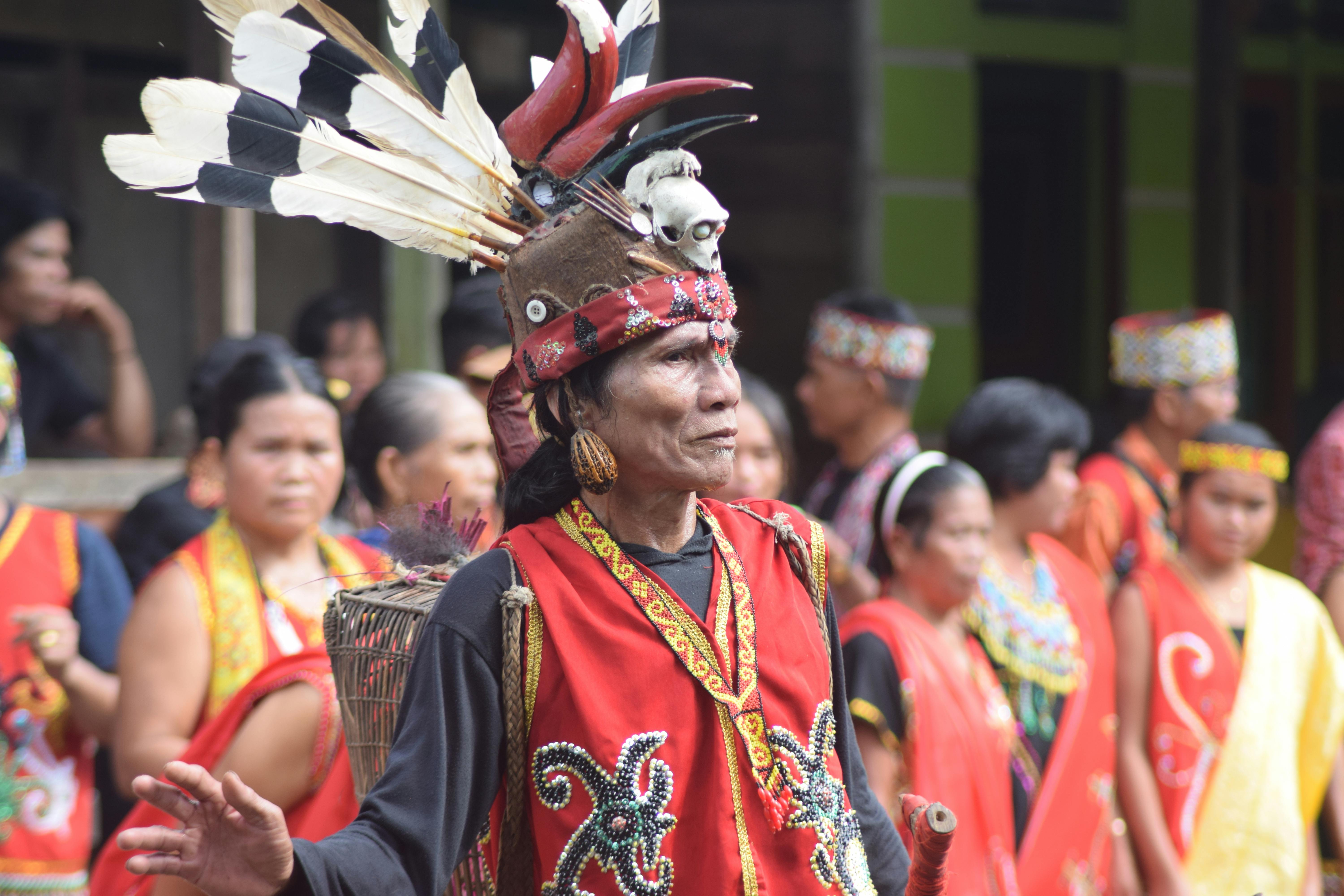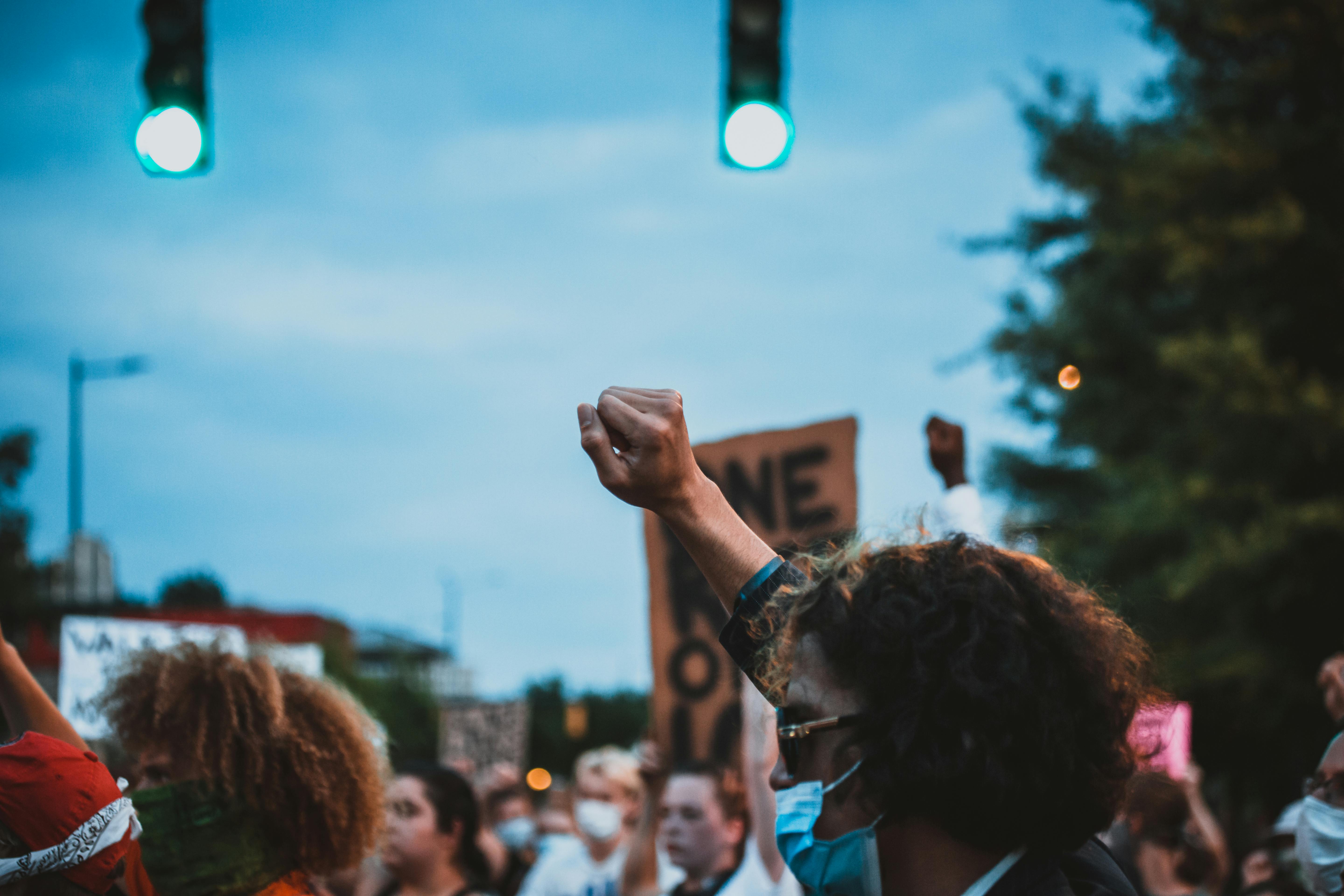
[Cali, Colombia – 24 October 2024] Nearly 200 countries have gathered in Cali, Colombia, to negotiate efforts to halt and reverse nature loss and biodiversity extinction. Indonesian Civil Society Organizations present in Cali are calling on the Indonesian Government delegation participating in the negotiations, as well as the global community, to support the agenda related to the rights of Indigenous Peoples and Local Communities (IP&LC).
The Urgency of Supporting the Indigenous Peoples’ Agenda at COP16
Respect for the rights of Indigenous Peoples and Local Communities occupies an important role in the Global Biodiversity Framework, or the Kunming-Montreal Global Biodiversity Framework (KM-GBF), agreed upon two years ago. At COP16 CBD, Indigenous Peoples are urging participating countries to ensure full recognition of Indigenous Peoples’ contributions to global biodiversity protection, as well as to push for the establishment of a permanent body (Subsidiary Body) specifically mandated under Article 8(j) concerning local knowledge, innovations, and traditional practices in biodiversity protection.
Unfortunately, the Indonesian delegation opposed the establishment of such a Subsidiary Body, despite the significant contribution of Indigenous Peoples and Local Communities to achieving the KM-GBF targets.
“The rejection by the Indonesian delegation of the establishment of a Subsidiary Body under Article 8(j) on Knowledge, Innovations, and Traditional Practices is a setback. Discussions to make the Working Group on Article 8(j) permanent have been ongoing for the past 20 years to ensure the protection of traditional knowledge, as well as the innovations and practices carried out by Indigenous Peoples and Local Communities in the use and protection of genetic resources. Following the KM-GBF commitment, having a framework and establishing a Subsidiary Body would ensure that the justice and social dimensions of KM-GBF implementation are measurable and guaranteed,” said Cindy Julianty of WGII (Working Group on Indigenous and Local Communities–Conserved Areas and Territories Indonesia).
Currently, mapped Indigenous territories in Indonesia have reached 30.1 million hectares. However, only 16% of these territories have been legally recognized. “Guaranteeing Indigenous land tenure rights is the most important step if we want to protect the remaining biodiversity,” said Kasmita Widodo, Head of the Indigenous Territory Registration Agency (BRWA).
Guaranteeing and protecting Indigenous territories and conservation areas will help Indonesia achieve the 30×30 target (protecting 30% of terrestrial and marine biodiversity areas by 2030). According to the latest data from WGII, more than 22 million hectares of land are managed and protected by Indonesian communities using traditional knowledge, which can contribute to achieving the conservation goals of the Kunming-Montreal Global Biodiversity Framework (KM-GBF).
Immediate Action Needed to Stop the Drivers of Biodiversity Loss
Indonesia’s biodiversity is currently threatened by extractive industries such as mining, forest exploitation and logging, large-scale agriculture, and various national strategic projects. Extractive permits in Indonesia cover more than 100 million hectares of land and sea (55.5 million hectares on land and 45.4 million hectares in marine areas). The expansion of industries—driven by global demand for commodities such as coal, palm oil, timber, and nickel—has led to massive deforestation and habitat destruction.
In his inauguration speech on 20 October, President Prabowo set a target of achieving food self-sufficiency within 4–5 years by relying on food estate programs. Currently, food estate projects are being developed in several provinces, including Central Kalimantan, North Sumatra, and South Papua, covering more than 2 million hectares. These food estate programs have resulted in the destruction of biodiversity ecosystems and Indigenous territories, cultures, and local wisdom.
Ogy Dwi Aulia from Forest Watch Indonesia stated that commitment to biodiversity protection must be demonstrated through concrete actions to significantly reduce extractive industrial activities that endanger biodiversity in Indonesia, such as nickel, palm oil, food estates, HPH (forest concessions), HTI (industrial plantation forests), mining, and others. “Currently, there are more than 1 million hectares of extractive industries within conservation areas. In addition, 20.5 million hectares of extractive industries are located within important ecosystem areas such as wildlife corridors, biodiversity parks, and key biodiversity areas,” added Ogy.
Indonesia’s marine biodiversity also needs urgent protection. Currently, millions of hectares of Indonesia’s marine areas are sustainably managed by coastal communities. This contributes to food security and to achieving the Indonesia Biodiversity Strategic Action Plan (IBSAP), particularly in efforts to protect 30% of Indonesia’s marine areas.
“In the agenda on Marine and Coastal Biodiversity and Islands, Indonesia needs to support text that ensures public participation in decision-making, access to justice and information, and protection for human rights and environmental defenders, Indigenous Peoples, and local communities, using a human rights-based approach,” explained Rayhan Dudayev of Greenpeace.
“In addition, it would be highly strategic if Indonesia supports Annex 2(g) to enhance understanding of the impacts of ocean acidification and other pressures on island ecosystems, which is highly relevant for our country as one of the largest maritime nations in the world,” he added.
Support Direct Funding for Indigenous Peoples and Local Communities
Indigenous Peoples are recognized as one of the world’s key forces in addressing climate change and biodiversity loss. However, existing financial mechanisms remain inadequate, leaving Indigenous Peoples who protect biodiversity without sufficient resources.
Therefore, Indonesian Civil Society Organizations are calling for the establishment of a direct funding mechanism to channel support to Indigenous Peoples, small-scale fishers, farmers, and local communities, without relying on risky market-based solutions such as biodiversity credits and offsets.
“We need a transparent and accountable funding system that can be directly accessed by Indigenous Peoples to continue our essential conservation work,” said Eustobio Rero Renggi, spokesperson of the Indigenous Peoples Alliance of the Archipelago (AMAN), who is also attending COP16 CBD.
Unfortunately, the Indonesian government delegation at COP16 CBD does not support the provision of direct funding accessible to Indigenous Peoples and Local Communities. During COP16 CBD local time, the Indonesian government delegation delivered a statement supporting the Government of India’s position that “direct funding” for Indigenous Peoples is unnecessary.
In addition, the Indonesian delegation agreed with the statement of the Government of Brazil that such direct funding support should be channeled through national authorities (government), and therefore must be aligned with national needs (interests).
Eustobio expressed regret over the stance of the Indonesian government delegation and urged the Government of Indonesia to withdraw the statement. “On behalf of Indigenous Peoples, we regret the position and statement of the Indonesian government delegation, which have disregarded our constitutional rights as primary rights holders who have safeguarded ecosystems and biodiversity for generations, long before the existence of the state,” said Eustobio.
Furthermore, Eustobio urged the Indonesian government delegation to agree with the proposal supported by the majority of countries advocating for direct funding.
“The majority of countries such as Mexico, Namibia, Switzerland, even the European Union and others, have committed to supporting direct funding. The Indonesian government should take a good example in supporting commitments to Indigenous Peoples as seen in other countries, especially considering that 60% of the world’s Indigenous population lives in Asia, including in Indonesia,” Eustobio emphasized.
Contacts:
Ogy Dwi Aulia, Forest Watch Indonesia (FWI)
Email: ogy@fwi.or.id
Phone: +62 813-1498-9276
Cindy Julianty, WGII (Working Group on Indigenous and Local Communities–Conserved Areas and Territories Indonesia)
Email: cindy.julianty@gmail.com
Phone: +62 851-2110-7321
Eustobio, Indigenous Peoples Alliance of the Archipelago (AMAN)
Email: eustobio@aman.or.id
Phone: +62 823-4229-5139