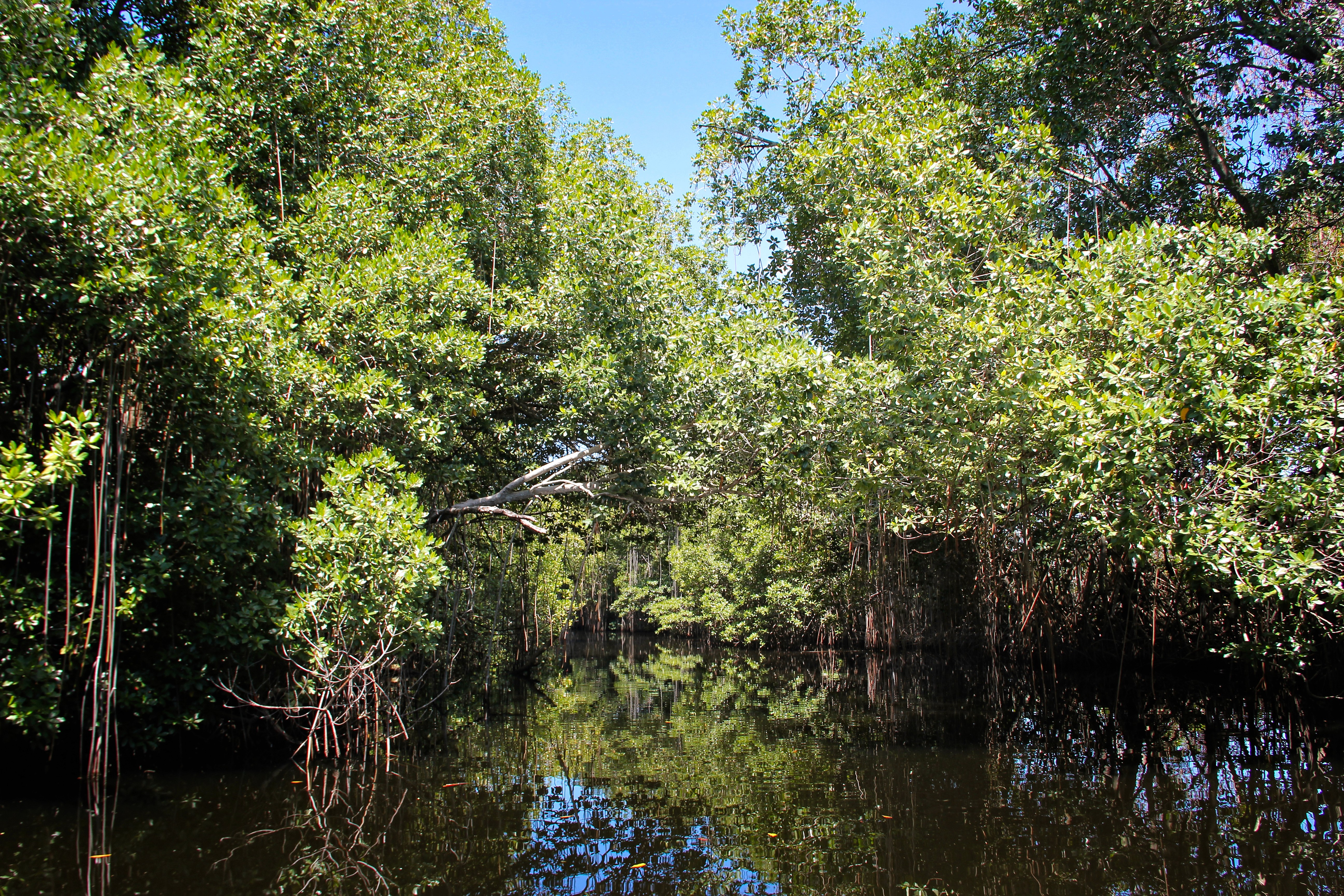
[Jakarta, December 28, 2020] Yayasan Madani Berkelanjutan welcomes the appointment of Hartono Prawiraatmadja as Head of the Peatland and Mangrove Restoration Agency (BRGM) on December 23, 2020, based on Presidential Decree No. 78/M of 2020 on the Appointment of the Head of the Peatland and Mangrove Restoration Agency. Hartono replaces Nazir Foead, who served as Head of the Peatland Restoration Agency (BRG) from 2016 to 2020.
“Peatland protection and restoration are critically important and must be continued beyond a single government term. This is especially urgent given the growing risks posed by legislation that weakens forest and environmental protection in the name of investment, including the Job Creation Law and its implementing regulations. Indonesia risks failing to meet its climate commitments even sooner if peatlands continue to be degraded,” said Yosi Amelia, Forest and Climate Change Program Officer at Yayasan Madani Berkelanjutan.
“With the expanded mandate of the Peatland Restoration Agency—now including not only peatland restoration but also mangrove rehabilitation both inside and outside forest areas that are degraded or critical—this institution cannot simply carry on as usual. Its institutional capacity must be strengthened and not confined to a single government period, as peat ecosystem recovery requires long-term commitment and consistency,” Yosi added.
Fadli Ahmad Naufal, GIS Specialist at Yayasan Madani Berkelanjutan, noted that Indonesia currently faces threats to approximately 24 million hectares of peatland ecosystems. “In addition, the agency will have to deal with overlapping peatland areas and other land-use permits covering 21.3 million hectares. Another major concern is the presence of protected peat ecosystems within food estate projects, covering around 838,000 hectares,” he explained.
“Moreover, the roles and functions of the Peatland and Mangrove Restoration Agency must be clearly defined, particularly since authority over emissions and emissions reduction is no longer explicitly stated in the Job Creation Law. Presidential Regulation No. 92 of 2020 on the Ministry of Environment and Forestry also does not specify any institutional mandate for reducing greenhouse gas emissions from deforestation, forest degradation, and peatland degradation. Furthermore, Presidential Regulation No. 92 of 2020 replaced the provisions on ‘prevention, control, and recovery’ found in Presidential Regulation No. 16 of 2015 with a narrower focus on ‘control,’ which could weaken peatland ecosystem protection,” Yosi Amelia added.
“According to the 2020–2024 National Medium-Term Development Plan (RPJMN), the peatland restoration target has been increased to 1.5–2 million hectares, up from the 2015 target. However, during the 2015–2020 period, restoration in cultivation/concession areas reached only 8% (143,448 hectares) of the 1,784,353-hectare target, while restoration in non-concession peatlands reached 77% (682,694 hectares) of the 892,248-hectare target. These gaps highlight the need to strengthen BRG’s institutional capacity and authority in order to meet the ambitious restoration targets across seven priority provinces—now further expanded to include mangrove ecosystems,” Yosi concluded.
Media Contacts:
– Yosi Amelia, Forest and Climate Change Program Officer, Yayasan Madani Berkelanjutan
+62 819 3221 71803 | yosi@madaniberkelanjutan.id
– Luluk Uliyah, Senior Media Communication Officer, Yayasan Madani Berkelanjutan
+62 815 1986 8887 | luluk@madaniberkelanjutan.id