[Jakarta, 2 November 2021] In his National Statement at the World Leaders Summit of COP26, President Joko Widodo committed to making Indonesia’s forestry and land-use sector a net carbon sink by no later than 2030. This pledge aligns with the Global Forest Deal launched in Glasgow, under which 100 countries—including Indonesia—committed to ending deforestation by 2030.
While this represents a positive step forward that deserves recognition, the targets risk falling short without firm and concrete follow-up actions.
“President Jokowi must issue strong development policies—including those related to national economic recovery—that are fully consistent with the FOLU net sink agenda and the goal of ending deforestation by 2030. Protecting all remaining natural forest landscapes and peatland ecosystems will be critical to achieving these aspirations. Currently, around 9.6 million hectares of remaining natural forest are not yet protected by the new permit moratorium and therefore remain at risk,” said Nadia Hadad, Executive Director of Yayasan Madani Berkelanjutan.
She added that the President must also push for the passage of the Indigenous Peoples Bill to protect the rights of Indigenous communities who are on the front lines of safeguarding remaining forests, while accelerating and strengthening social forestry programs—which could contribute up to 34.6 percent of Indonesia’s NDC target through reduced deforestation.
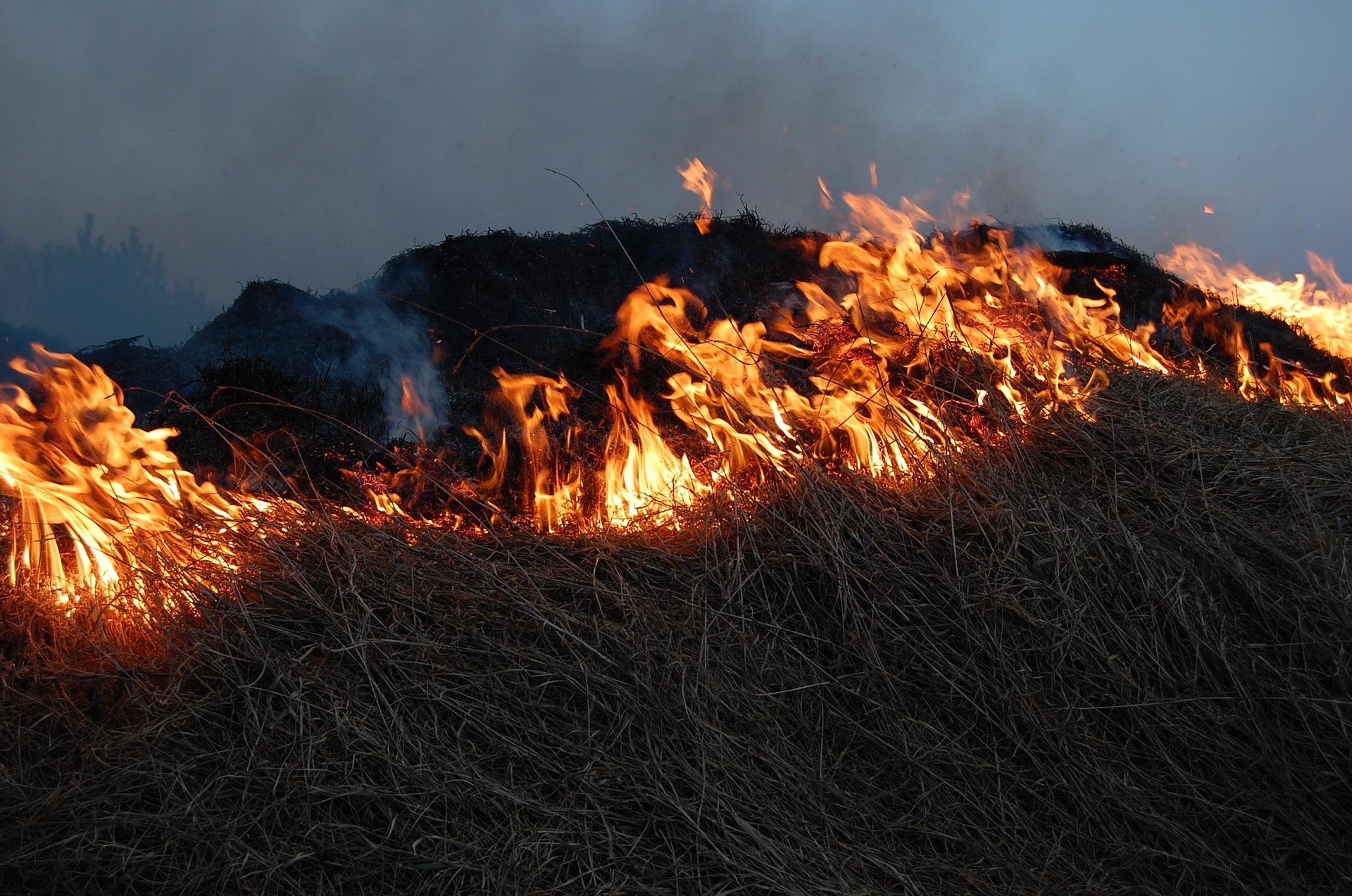
Meanwhile, Yosi Amelia, Forest and Climate Program Officer at Yayasan Madani Berkelanjutan, stressed that to prevent forest and land fires, the government must accelerate peatland restoration by including all areas burned between 2015 and 2019, and ensure peat restoration is carried out not only outside concessions but also within licensed and concession areas.
She also emphasized the need to strengthen local governments’ capacity to implement adaptation and mitigation actions, and to increase access to green finance at the regional level.
“The President must also halt land-use conversion plans that contradict the FOLU Net Sink 2030 goal. Natural forests, peatland ecosystems, and Indigenous territories within Food Estate Areas of Interest must be excluded and protected from conversion. At present, there are around 1.5 million hectares of natural forest within Food Estate Areas of Interest across just four provinces,” Yosi Amelia added.
Following the end of the palm oil moratorium, clear and binding policies are also needed to prohibit new palm oil plantation permits in natural forest and peatland areas, and to fully shift the focus toward productivity improvements.
“If this is not done, around 1.73 million hectares of natural forest in Convertible Production Forest (HPK) areas—currently not protected under the Indicative Map for the Suspension of New Permits (PIPPIB), outside Social Forestry Indicative Areas (PIAPS), and beyond existing permits—could be at risk,” said Trias Fetra, Palm Oil Governance Program Officer at Yayasan Madani Berkelanjutan.
He further warned that if the resolution of palm oil permits within forest areas includes zones that still contain natural forests and peat ecosystems, approximately 0.76 million hectares of natural forest could be released from forest status.
“If all of these natural forests are lost, up to 78 percent of Indonesia’s remaining deforestation ‘budget’ to meet its Updated NDC target for the 2020–2030 period would be exhausted,” Trias Fetra added.
President Jokowi’s commitment to expanding renewable energy use, including biofuels, also requires firm safeguards to prevent the clearing of natural forests and peatlands.
“Diversifying biofuel feedstocks beyond palm oil is essential to avoid competition between food and energy needs, and to prevent further land expansion into natural forests and peat ecosystems,” said M. Arief Virgy, Biofuel Governance Program Officer at Yayasan Madani Berkelanjutan.
Media Contacts:
Nadia Hadad – Executive Director, Yayasan Madani Berkelanjutan
Phone: +62 811 132 081
Yosi Amelia – Forest and Climate Program Officer
Phone: +62 813 2217 1803
Trias Fetra – Palm Oil Governance Program Officer
Phone: +62 877 4403 0366
M. Arief Virgy – Biofuel Governance Program Officer
Phone: +62 877 0899 4241