Siaran Pers, 14 Desember 2023. Konferensi Perubahan Iklim (COP) ke-28 di Dubai, Uni Emirat Arab berakhir (13/12) tanpa...


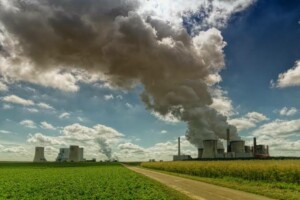
Siaran Pers, 14 Desember 2023. Konferensi Perubahan Iklim (COP) ke-28 di Dubai, Uni Emirat Arab berakhir (13/12) tanpa...
Klaim Penurunan Emisi dan Deforestasi Harus Bermuara Pada Kondisi net-zero Tanpa Bahan Bakar Fosil: Indonesia di COP28 [Siaran Pers,...
Emisi CO2 Fosil Dunia Mencapai Rekor Tertinggi pada Tahun 2023 Indonesia Menduduki Sepuluh Besar Penyumbang Emisi [Siaran...
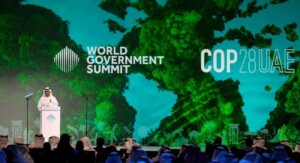
Seruan Organisasi Masyarakat Sipil Indonesia untuk COP 28 Perubahan iklim sudah menjadi krisis global. Sekjen PBB menyebut...
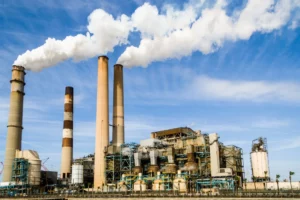
26/09/2023 [Siaran Pers] Jakarta, 26 September 2023. Tanpa perubahan sistemik, peluncuran bursa karbon yang ditandai dengan penunjukan ...
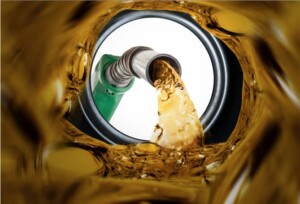
Pemerintah Luncurkan Pertamax Green 95 dari Tetes Tebu: Penganekaragaman Sumber Bahan Bakar Nabati Perlu Diperluas 18/07/2023 Jakarta,...

Perlindungan lingkungan hidup dalam rangka menanggulangi krisis iklim, termasuk perlindungan hutan serta lahan dan hak-hak masyarakat adat...
Jakarta, 29 September 2022. A civil society coalition, consisting of Yayasan Madani Berkelanjutan, Kemitraan, WALHI, Yayasan PIKUL,...
 EN_US
EN_US  ID
ID