Over a decade of leading Indonesia, President Joko Widodo (Jokowi) has demonstrated a strong ambition for infrastructure development. However, amid the aggressive push for large-scale projects, justice—particularly climate justice—has often been sidelined.
In terms of numbers, Jokowi’s administration has indeed delivered: 1,677 kilometers of toll roads and 124 new ports have been built. Mega-projects such as the Nusantara Capital City (IKN) have also been launched to replace Jakarta. Yet behind the well-promoted success stories, the reality is often far more complex. The slogan “Building Indonesia from the Periphery” has proven far from problem-free, especially when viewed through the lens of an intensifying climate crisis.
In practice, many infrastructure projects have been implemented without adequately considering their environmental impacts or people’s capacity to cope with climate risks. Rather than creating resilient infrastructure, these projects have often exacerbated environmental degradation, triggering deforestation, pollution, biodiversity loss, and significant increases in carbon emissions.
Worse still, these infrastructure projects frequently serve the interests of oligarchic and political dynasties rather than the public. The environmental damage and agrarian conflicts resulting from so-called National Strategic Projects stand as clear evidence that this grand model of development leaves behind deep scars and heavy burdens for future generations. Examples include the Jakarta–Bawen Toll Road, which reportedly used illegal fill material that stripped green areas; Kertajati International Airport, which displaced farmland across five villages; and the Rempang City project, which has blatantly dispossessed local communities of their land.
Forgotten Justice
Amid the relentless drive for development, climate justice has largely been forgotten. The impacts of the climate crisis are not felt equally across society. Instead, the most vulnerable groups—including people living in poverty, smallholder farmers, traditional fishers, persons with disabilities, women, children, older persons, Indigenous Peoples, workers, and informal laborers—bear the heaviest burden.
A fundamental issue faced by these communities is the lack of recognition of their rights to living space, such as Indigenous territories, farmland, and traditional fishing grounds. Their specific needs are routinely ignored, while unequal access to economic, social, and political resources further deepens their marginalization. There has also been no meaningful effort to restore rights that were eroded by past development projects. Silenced in decision-making processes related to development and climate policy, these communities are increasingly pushed to the margins.
This constitutes a core dimension of climate injustice that remains unresolved in Indonesia—and stands as a dark record of Jokowi’s ten years in office.
Despite Jokowi’s explicit statements on Indonesia’s commitment to tackling the global climate crisis—through policies such as the Net Zero Emissions target, Nationally Determined Contributions (NDCs), and Carbon Economic Value mechanisms—these measures have yet to address the structural roots of climate injustice facing the country.
Over the past decade, Jokowi’s administration has effectively rolled out a red carpet for extractive natural resource expansion, including projects framed as climate solutions under the banner of the energy transition. One striking example is the rapid expansion of nickel mining concessions, which increased to 680,000 hectares between 2014 and 2024—accounting for 70 percent of all recorded nickel permits. This expansion has significantly reduced forest cover, particularly in Sulawesi, Maluku, and Papua, Indonesia’s last forest frontiers.
Massive nickel industrial projects, implemented without regard for Indigenous rights—such as those affecting the Tobelo Dalam Indigenous community in Halmahera—have only worsened local conditions. Nickel mining activities threaten Indigenous territories, destroying forests and marine ecosystems that form the basis of their livelihoods.
In the name of addressing food and energy insecurity amid the climate crisis, instead of strengthening the resilience of smallholder farmers and traditional fishers, the government has promoted large-scale Food and Energy Estate projects. Plans to expand sugarcane plantations for sugar self-sufficiency and bioethanol production in Merauke, covering 700,000 to 2 million hectares, risk triggering new waves of deforestation and conflict with Indigenous communities in Papua. This is compounded by the aggressive promotion of carbon trading schemes, despite the continued lack of recognition of Indigenous land rights.
Dismantling Injustice
American sociologist and environmental justice activist Robert D. Bullard, often regarded as the father of environmental justice, argues in his book Dumping in Dixie: Race, Class, and Environmental Quality that unjust development inevitably produces communities that suffer disproportionately from environmental harm.
According to Bullard, such injustice must be addressed through policy reform and stronger advocacy to protect communities most vulnerable to environmental inequities. In this context, political space must serve as the frontline for advancing justice—through policies that explicitly side with marginalized groups who bear the brunt of environmental destruction.
Although President Jokowi claims many achievements during his tenure, the reality is that climate justice remains neglected. This unresolved challenge will become a heavy burden for the next administration under Prabowo–Gibran. If civil society voices calling for climate justice continue to be ignored, social inequality will widen further, and the climate crisis will become increasingly unmanageable. As a result, the social and economic costs of development will grow ever more expensive and unsustainable.
The new government must take bold and progressive steps to confront these challenges. Climate justice must be integrated into every development policy, alongside recognition of vulnerable communities’ rights and their meaningful involvement in decision-making processes. Only then can climate justice move beyond rhetoric and be realized through concrete policies and actions—ensuring that all Indonesians benefit fairly and equally from development.
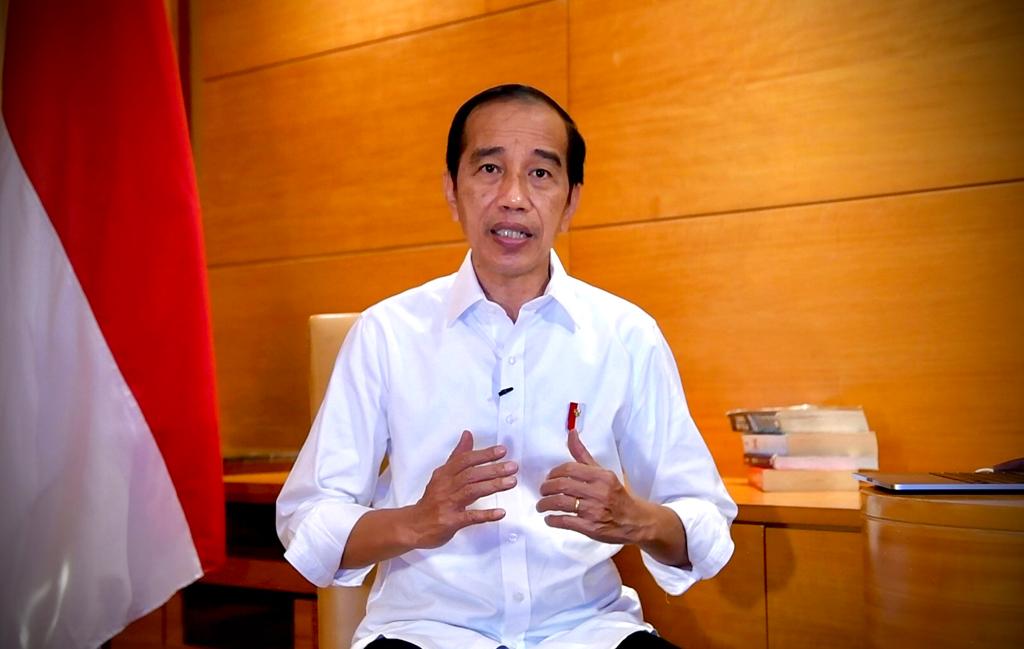
Photo by: Ministry of Administrative and Bureaucratic Reform of the Republic of Indonesia