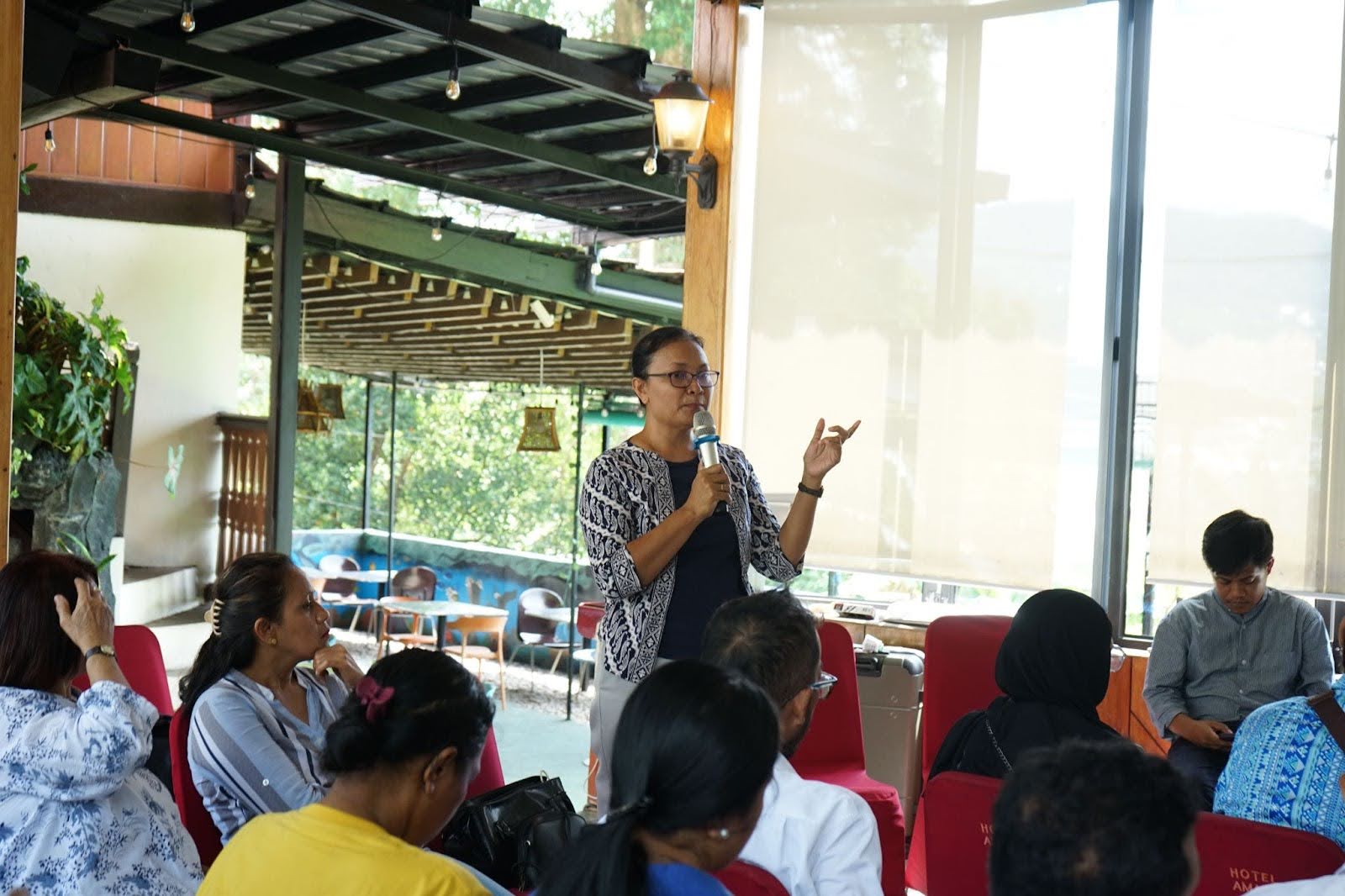
Climate justice and sustainable development will never be realized without the courage to correct the structural inequalities that have been allowed to take root for so long. In archipelagic regions like Maluku, the climate crisis is not merely an ecological threat, but a reality intertwined with spatial conflicts, development imbalances, and a lack of recognition for vulnerable groups—especially women, people with disabilities, Indigenous Peoples, and coastal communities.
Without an inclusive and rights-based development approach, responses to the climate crisis risk deepening existing inequalities. Therefore, the implementation of Gender, Equality, Disability, and Social Inclusion (GEDSI) becomes an essential foundation to ensure that sustainable development proceeds fairly, inclusively, and is capable of strengthening community resilience.
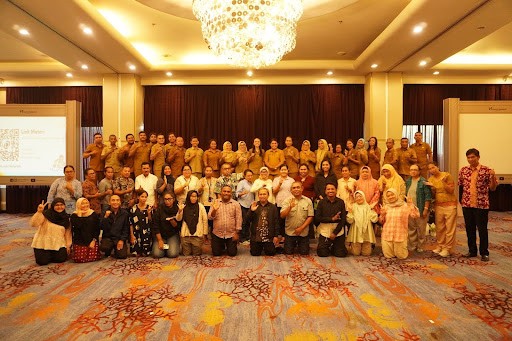
This commitment serves as the foundation for the Inclusive Innovation Policy Lab: GEDSI Integration in Sustainable Development in Maluku, organized by MADANI Berkelanjutan in Ambon, February 9–10, 2026. This activity brought together government representatives, civil society organizations, and academics to strengthen GEDSI perspectives in regional development planning. The involvement of these parties is aimed at ensuring strategic roles that can be collaboratively pursued to ensure that the principles of social inclusion and justice can be applied in local policies as well as participation in sustainable regional development.
GEDSI as the Foundation for Development Transformation
Gantjang Amannullah, MA from the National Secretariat of SDGs, Ministry of PPN/Bappenas, emphasized that the integration of social inclusion principles is an essential part of the efforts to achieve the Sustainable Development Goals (SDGs). He explained that sustainable development is measured not only by economic achievements, but also by the extent to which it can reach and involve all community groups, including those who have been in vulnerable situations. According to him, integrating GEDSI into development planning is a crucial step to ensure that no group is left behind in the development process.
Challenges and Opportunities at the Regional Level
Novalius Siloam Leatemia, S.P., M.Si, as the Head of the Human and Community Development Division at Bappeda Maluku Province, emphasized that local governments play a key role in ensuring the integration of GEDSI into regional development planning documents. He explained that Maluku, as an archipelagic region, faces complex climate vulnerability challenges, so development planning must ensure the protection of vulnerable groups while strengthening community resilience. He also stressed the importance of collaboration between local governments and civil society to ensure a more inclusive and responsive policy implementation.
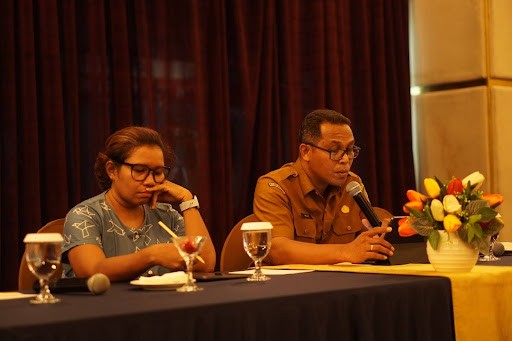
Vulnerable Groups on the Front Lines of the Climate Crisis
Noni Tuharea, Program Director of the SAHARI Foundation, emphasized that vulnerable groups face layered impacts from the climate crisis and a direction of development that is not yet fully inclusive. She explained that women, Indigenous Peoples, people with disabilities, and other vulnerable groups often face limited access to resources, services, and decision-making spaces, despite playing a vital role in maintaining environmental sustainability.

According to her, women and Indigenous Peoples have a close relationship with natural resources, yet they are often not meaningfully involved in development planning processes that affect their living spaces. She also asserted that without an inclusive approach, development risks reinforcing inequality and increasing public vulnerability to the impacts of the climate crisis.
Strengthening Inclusive and Participatory Governance
Agus Salim from PATTIRO highlighted the importance of participatory and inclusive development governance, particularly in ensuring community involvement in planning and decision-making processes. PATTIRO emphasized that GEDSI integration requires not only commitments in policy documents, but also shifts in development practices, including opening spaces for meaningful community participation. According to him, civil society participation is an essential element in ensuring accountability and justice in development.
Driving Transformation Toward Ecological and Social Justice
Resni Soviyana, Program Lead for Green Development at MADANI Berkelanjutan, explained that through this Inclusive Innovation Policy Lab activity, MADANI Berkelanjutan reinforces that GEDSI integration is not just a technical approach, but part of a transformative effort toward fair and sustainable development. The climate crisis has shown that exclusive and exploitative development approaches not only damage the environment, but also deepen social injustice. Conversely, inclusive and rights-based development can enhance community resilience, protect living spaces, and ensure ecological sustainability. Maluku serves as a reminder that a sustainable future can only be built when vulnerable groups are no longer marginalized, but recognized as vital actors in maintaining natural balance and shaping the direction of development.
Amid these challenges, a shared awareness has emerged that sustainable development cannot be addressed in a sectoral manner. Instead, it requires collaboration and an openness to learn from one another. For MADANI, dialogue spaces like this are an essential foundation for building a fairer policy ecosystem.
Advokaria: Advocacy with Joy and Creative Works
This series of activities was also reinforced through a creative space titled Advokaria—an initiative that blends advocacy, joy, and creative works as a medium to voice climate justice.
Advokaria was born out of anxiety over the ongoing climate crisis and spatial conflicts, while the voices of Indigenous Peoples and vulnerable groups are still frequently marginalized. In this space, advocacy is present not only in the form of policy discussions, but also through artistic expression, narratives, and intergenerational conversations.
Aizah Fajriana Dewi Handini, Program Officer for Green Development at MADANI Berkelanjutan, stated that the activity “ADVOKARIA: Why Must We Talk about Indigenous Peoples?” was motivated by anxiety over the climate crisis, spatial conflicts, and development that often ignores vulnerable groups. In this situation, the voices of Indigenous Peoples are often unheard, even though it is in the hands of Indigenous Peoples that knowledge, lifestyle practices, and values for maintaining balance between humans and nature continue to be passed down across generations.
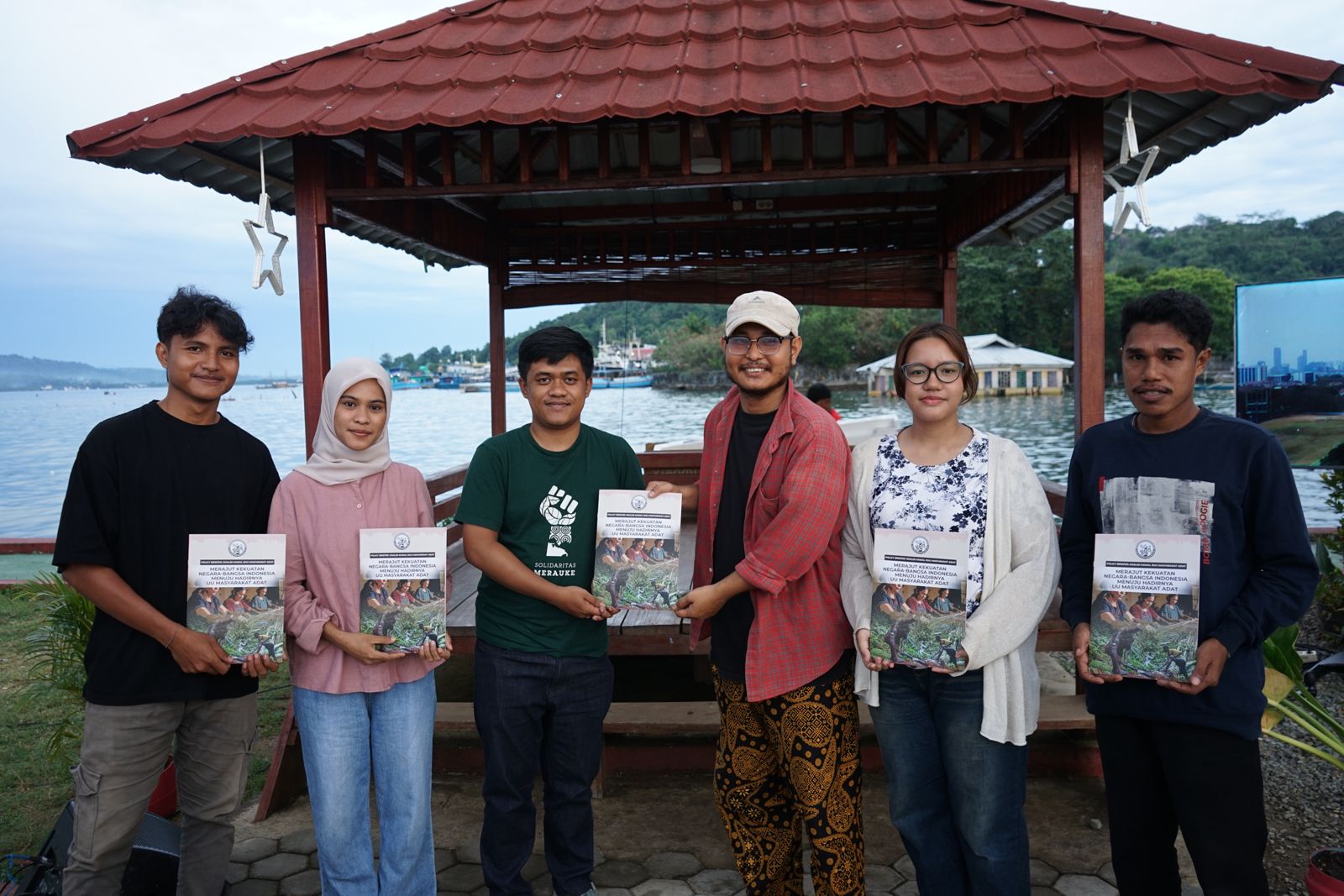
At the end of the session, MADANI Berkelanjutan along with the Coalition Team to Guard the Indigenous Peoples Bill handed over the Policy Brief document titled "Weaving the Strength of the Indonesian Nation-State Toward the Enactment of the Indigenous Peoples Law" to the youth of Maluku. The hope is that young people in Maluku will also fully understand the draft of the Indigenous Peoples Bill as well as the spirit and narrative being collectively fought for.
More than just a discussion, ADVOKARIA was presented as an advocacy space that builds collective awareness and solidarity to push for the recognition and protection of Indigenous Peoples through the ratification of the Indigenous Peoples Law.
Indigenous Peoples Amid the Threat of Land Grabbing
Indigenous Peoples have long been known as guardians of forests and the environment through sustainable living practices based on local wisdom. Traditions such as sasi in Maluku and Papua, for instance, demonstrate how Indigenous Peoples manage natural resources by giving ecosystems time to recover naturally. However, this critical role stands in stark contrast to the reality they face today.
Customary territories that are not legally recognized are frequently deemed state land and transferred for various investment interests, including large-scale plantations, mining, and National Strategic Projects. This situation not only strips away the living spaces of Indigenous Peoples, but also accelerates environmental degradation and deepens the climate crisis.
Sadam Afian Richwanudin, Legal Specialist at MADANI Berkelanjutan, emphasized that without strong legal recognition, Indigenous Peoples will continue to be in a vulnerable position. He explained that many customary territories are claimed as state land because they lack formal administrative recognition, granting the state the authority to issue permits to other parties. Furthermore, the living practices of Indigenous Peoples, including their social and cultural systems, are often unrecognized by the national legal system.
According to him, this condition shows that the ratification of the Indigenous Peoples Law is a vital step to ensure the comprehensive protection of the territories, identities, and rights of Indigenous Peoples.
Strengthening Advocacy and the Role of the Younger Generation
The ADVOKARIA activity also highlighted the importance of the younger generation's role in strengthening advocacy for Indigenous Peoples. Veni Siregar, Senior Campaigner at Kaoem Telapak, explained that civil society organizations have worked together with indigenous youth in various regions to document forest destruction, the grabbing of customary territories, and various forms of violations experienced by Indigenous Peoples. This effort is made to ensure that advocacy is grounded in solid data and can drive fairer policy changes.
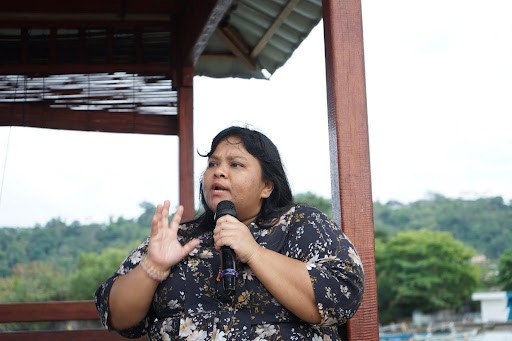
Meanwhile, Vivi Marantika from the Coalition to Guard the Indigenous Peoples Bill, Maluku Region, emphasized that Indigenous Peoples in archipelagic regions like Maluku face complex challenges, including the impacts of colonialism, social fragmentation, and development policies that do not yet favor Indigenous Peoples. She stressed that the internal consolidation of Indigenous Peoples and the involvement of the younger generation are key to strengthening the struggle for the recognition of customary rights.
The younger generation holds a strategic position in this advocacy, not only as the successors of indigenous communities, but also as actors of change capable of utilizing media, technology, and public spaces to amplify the narrative of ecological justice.
Recognition as a Constitutional Obligation of the State
From an academic perspective, Dr. Jemmy Jefry Pietersz from Pattimura University explained that Indigenous Peoples possessed systems of governance, territory, and identity long before the modern state was formed. Therefore, state recognition of Indigenous Peoples is not merely a policy, but a constitutional obligation enshrined in the 1945 Constitution.
However, without a strong legal framework and concrete implementation, this recognition remains limited and has not yet provided adequate protection for Indigenous Peoples. This leaves Indigenous Peoples vulnerable to land grabbing and marginalization.
ADVOKARIA: A Space for Youth Advocacy and Solidarity
Through ADVOKARIA, MADANI Berkelanjutan emphasizes the importance of building intergenerational solidarity to fight for justice for Indigenous Peoples. The recognition of Indigenous Peoples is not just a matter of identity and rights, but also about the future of the environment and the sustainability of the earth.
When Indigenous Peoples lose their territory, the world also loses its most effective forest guardians. Conversely, when Indigenous Peoples are recognized and protected, forests, biodiversity, and ecosystem balance stand a much better chance of survival.
Therefore, the ratification of the Indigenous Peoples Law is a vital and urgent step to ensure that Indigenous Peoples are no longer marginalized, but recognized as primary subjects in safeguarding the environment and our shared future.
Katong Bacarita: Connecting Maluku's Voices Amidst the Increasingly Real Climate Crisis
In addition to Advokaria, a dialogue space titled Katong Bacarita—which in the Malukan language means “we tell stories”—became an essential part of the series of activities. Katong Bacarita presented more intimate and reflective conversations. In this space, participants shared experiences about the impacts of the climate crisis, development challenges in archipelagic regions, and hopes for a fairer future. This space reinforces that listening is a political act. When vulnerable groups are given the space to tell their stories, they are no longer objects of policy, but subjects who determine the direction of change.
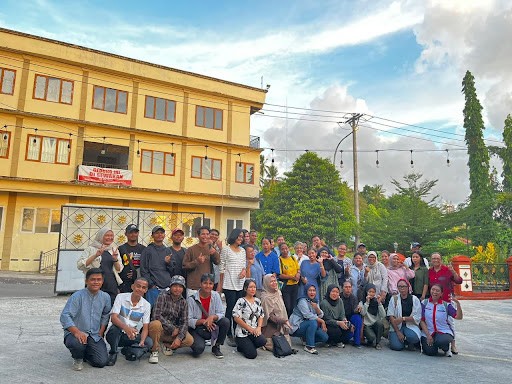
Resni Soviyana, Program Lead for Green Development at MADANI Berkelanjutan, emphasized that the climate crisis is no longer a distant threat in the future. > “The climate crisis is not the future; it is happening right now. Coastal communities and small islands feel it every day through tidal floods, abrasion, and other coastal damages. This serves as a reminder that the earth has limits, and we have currently surpassed those safe limits,” she said.
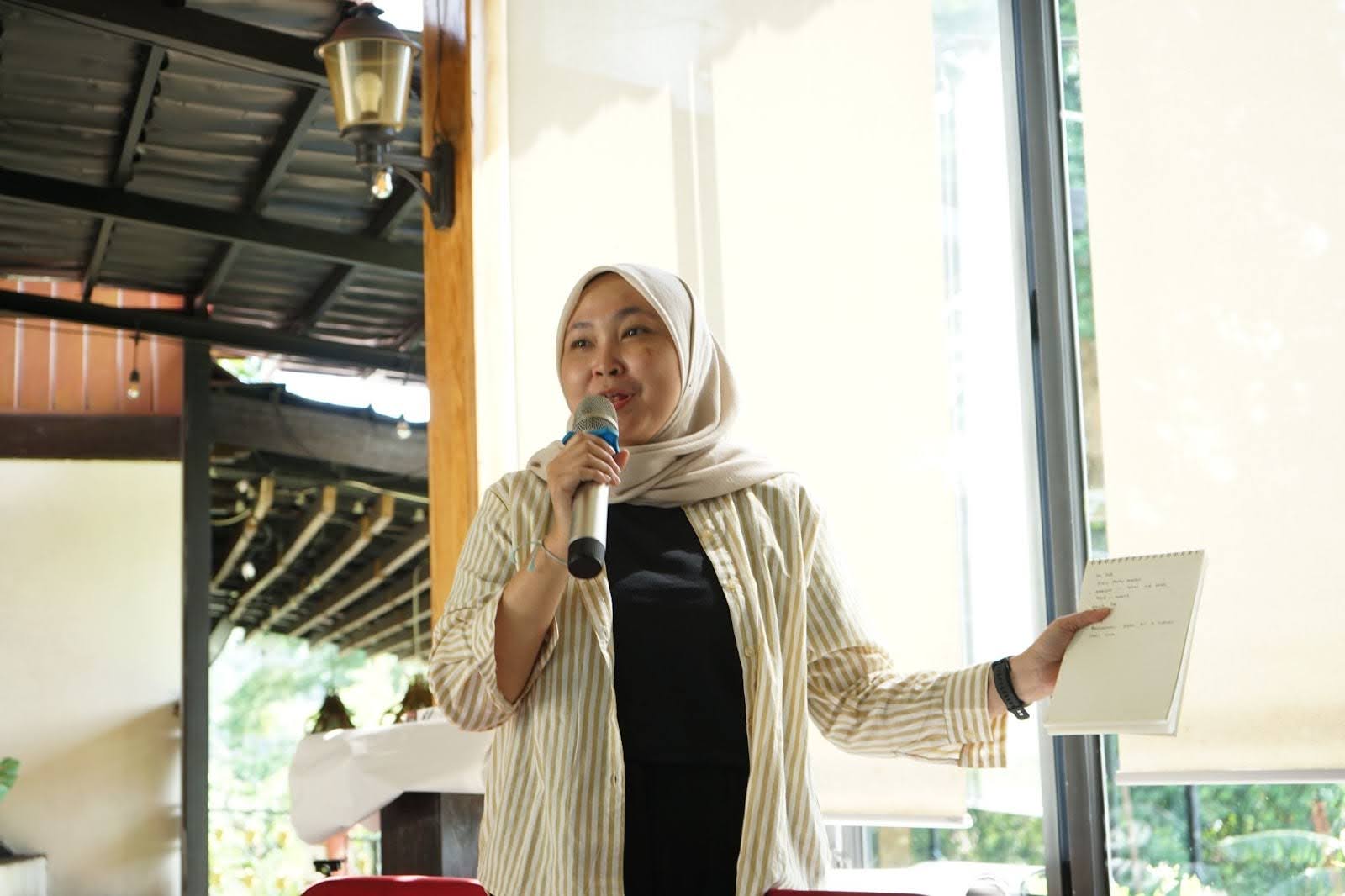
She reminded everyone that the climate crisis is a matter of justice, because the groups that contribute the least to environmental destruction are precisely the ones hardest hit. > “Women, indigenous peoples, fishermen, farmers, people with disabilities, youth, and children are those who contribute the least to the climate crisis, yet bear the greatest impacts. This shows that climate justice must be an essential part of every policy,” she added.
Small islands on the front lines of crisis impacts
The impacts of the climate crisis in Maluku are very real, particularly on small islands. Rev. Ruth Saiya, who accompanies communities in Ay Island, Warbal, Ur Island, and Tanimbar Kei, explained how environmental changes have directly affected people's lives. Abrasion (coastal erosion) has narrowed residential areas, while tidal floods are becoming more frequent. On Ay Island, drought has even forced residents to buy clean water from other islands at a burdensome additional cost. > “People on small islands have to spend extra money to meet basic needs like clean water, even though they are not the cause of the climate crisis,” Ruth explained.
Furthermore, extreme weather changes make it difficult for fishermen to go to sea, and farmers are facing crop failures. This directly impacts the economic resilience and well-being of the community. > “Development policies have not fully addressed the needs of small island communities, particularly regarding basic services like clean water and transportation,” she added.
Pushing for policy through the Climate Justice Bill
During the discussion, Sadam Afian, Legal Specialist at MADANI Berkelanjutan, explained that the climate crisis is not a sudden event, but rather the result of a long process of development that disregards environmental sustainability. > “The climate crisis is not merely fate, but is born from a long process of unjust and unsustainable natural resource management. Extractive development is one of the root causes resulting in environmental damage and social injustice,” he stated.
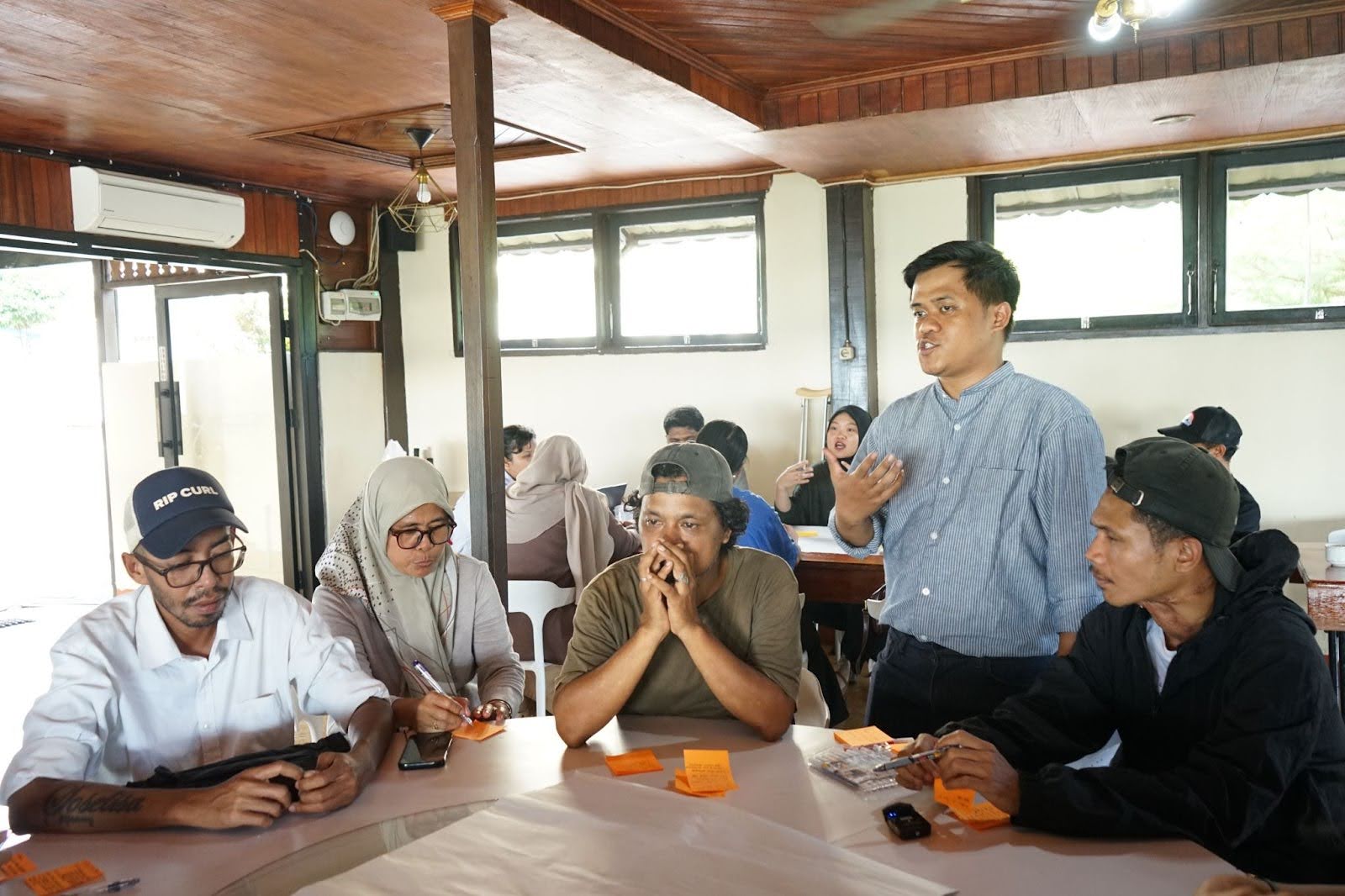
He explained that development oriented toward natural resource exploitation often provides economic benefits to certain parties, but leaves behind environmental and social impacts for local communities. People whose lives depend on nature, such as fishermen and farmers, become the most vulnerable groups. They face the loss of their livelihoods, environmental degradation, and an increased risk of disasters.
Sadam also highlighted the magnitude of losses suffered due to the climate crisis. > “During the 2020 to 2024 period, state losses due to climate damage reached IDR 544 trillion. This figure indicates that the climate crisis is not just an environmental issue, but also an economic and societal welfare concern,” he explained.
According to him, the climate crisis must be understood as an issue of justice that requires a strong and pro-people policy response. > “Climate justice is a prerequisite to ensure the earth remains habitable, not only for the current generation, but also for generations to come,” he said.
As part of these efforts, civil society is pushing for the introduction of the Climate Justice Bill (RUU Keadilan Iklim). This Bill is expected to serve as the legal foundation to ensure public protection from the impacts of the climate crisis.
The Bill covers various vital aspects, including climate change adaptation, mitigation through environmental protection, recovery mechanisms for affected communities, as well as financing commitments and state responsibility.
“The Climate Justice Bill is expected to ensure fairer protection for the public, particularly vulnerable groups who have been on the front lines of climate crisis impacts,” Sadam explained. He also emphasized the importance of involving the community in the policy formulation process so that the resulting policies truly reflect field needs.
The role of media in voicing reality
In addition to policy, the role of media is also key in ensuring that the voices of affected communities can be widely heard. Journalists play an important role in uncovering facts, increasing public awareness, and ensuring transparency.
Vonny Litamahuputty, a senior journalist in Ambon, emphasized that the media must play an active role in raising environmental issues. > “If journalists do not speak out, then the community will only be spectators to the environmental destruction happening around them. Media has a responsibility to ensure that the public receives accurate and transparent information,” she said.
However, journalists and environmental defenders also face various challenges, including limited access to information and pressure when raising environmental issues.
From Maluku for Indonesia
Maluku demonstrates that sustainable development must be rooted in the recognition of rights, meaningful participation, and the courage to side with the most vulnerable. The integration of GEDSI, the Advokaria space, and Katong Bacarita illustrate that change can begin from inclusive spaces of dialogue. From small islands, voices for a just future continue to resonate.
For MADANI, this journey is not yet over. This forum is part of a long-term effort to ensure that development in Indonesia is no longer built upon inequality, but on the foundation of ecological and social justice. From Ambon, the message flows: sustainability without justice is merely an illusion. And a just future can only be built if we have the courage to listen, recognize, and act together. [ ]


