Dokumen Indonesia:
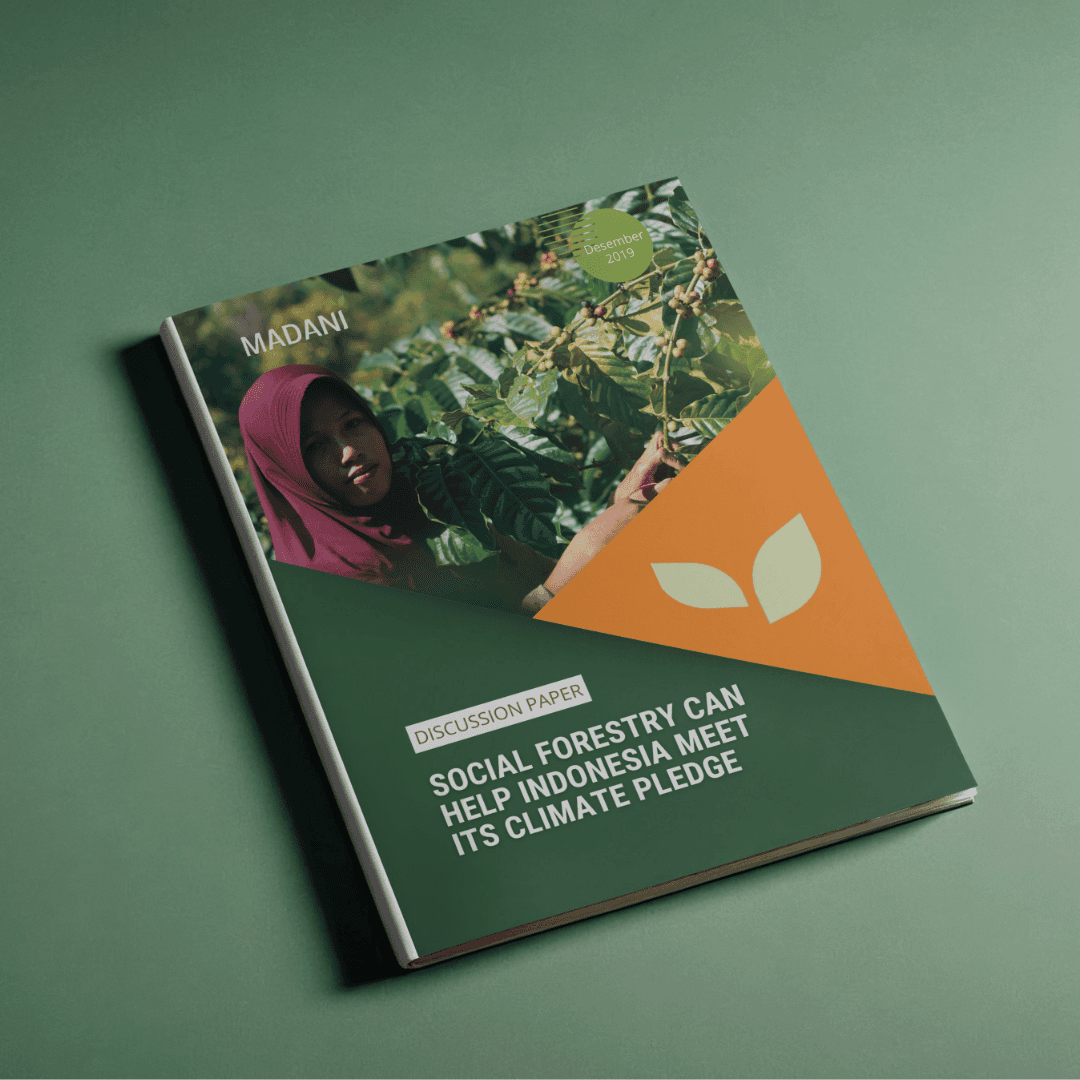
Kehutanan Sosial Dapat Membantu Indonesia Memenuhi Komitmen Iklimnya
Perhutanan sosial di Indonesia memiliki potensi besar untuk berkontribusi secara signifikan terhadap komitmen iklim negara (NDC) dengan menekan deforestasi dan degradasi hutan sekaligus meningkatkan cadangan karbon hutan. Mempercepat perhutanan sosial di wilayah dengan risiko deforestasi sedang hingga tinggi, yang mencakup sekitar 1,37 juta hektar hutan alam, berpotensi menyumbang 34,6% terhadap target NDC tanpa syarat Indonesia. Namun demikian, meskipun sebagian besar unit perhutanan sosial telah mengukur cadangan karbon mereka, hanya sedikit yang telah mencapai sertifikasi pengurangan emisi karena proses sertifikasi yang rumit dan mahal, sehingga pemberdayaan yang berkelanjutan menjadi sangat penting untuk mewujudkan kontribusi positif ini.
Studi kasus menunjukkan kontribusi nyata, seperti penurunan tingkat pembalakan liar sebesar 83,68% setelah izin perhutanan sosial diberikan di tiga unit Kesatuan Pengelolaan Hutan Bukit Barisan, yang setara dengan pengurangan degradasi hutan. Selain itu, proyek REDD+ berbasis masyarakat di Lanskap Bujang Raba berhasil menjual 6.009 tCO2e bersertifikat Plan Vivo, yang menunjukkan potensi nilai ekonomi dari upaya konservasi. Keberhasilan perhutanan sosial ditandai dengan peningkatan kesejahteraan masyarakat dan kelestarian hutan, dengan perannya dalam mitigasi iklim yang didukung oleh pengembangan mata pencaharian alternatif seperti hasil hutan bukan kayu dan ekowisata.