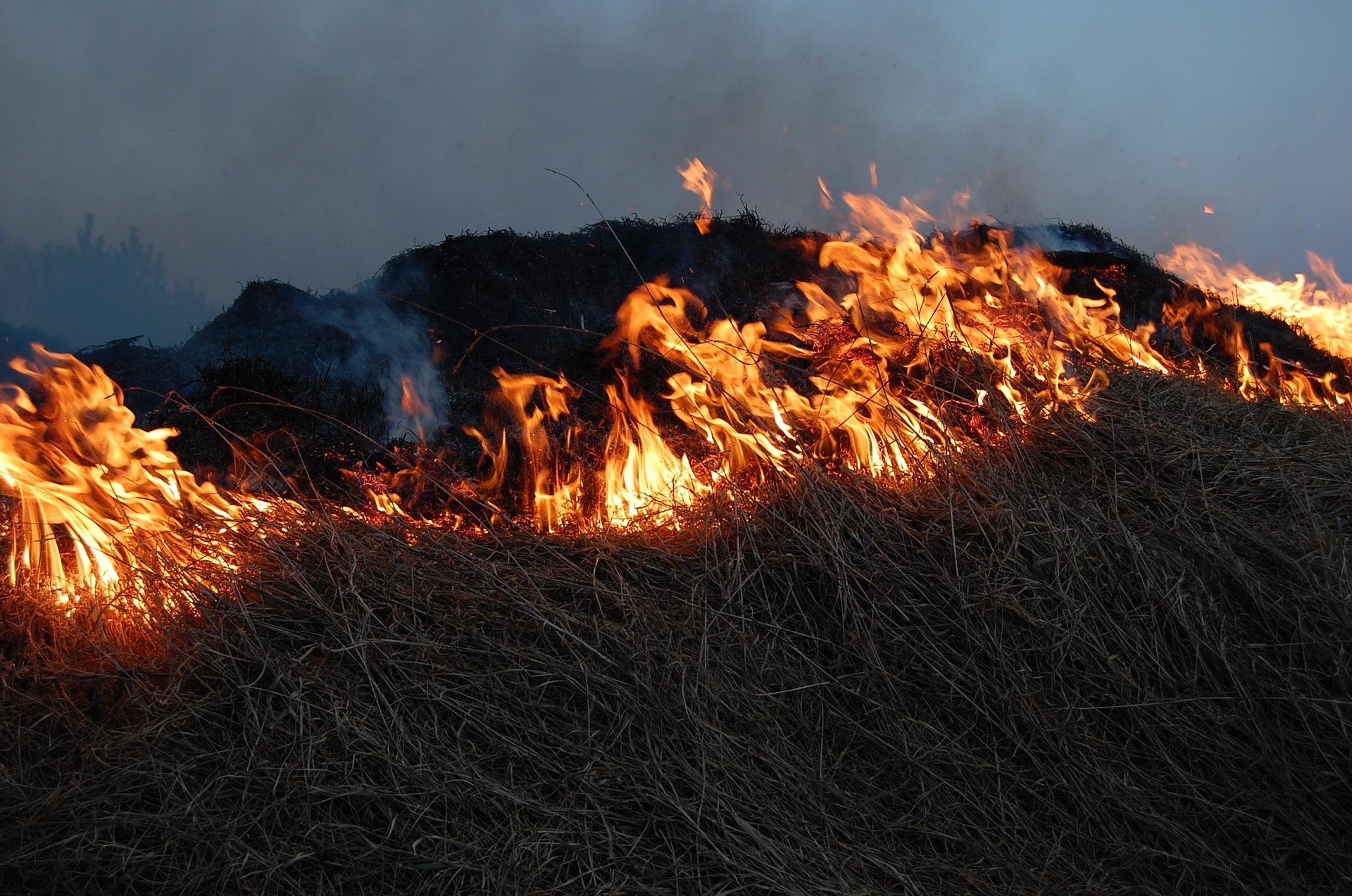
In the midst of the worsening climate crisis, a glimmer of hope emerges from a rarely highlighted place: a village living side by side with the forest. In Lampo Village, Donggala Regency, Central Sulawesi, the forest is not just a natural landscape, but also a shared living space that sustains the economy, culture, and environmental sustainability.
From this very living space, village women play a crucial role as forest guardians as well as drivers of the local economy. Their story reflects the spirit of modern-day Kartini women who fight not only for equality, but also for environmental sustainability.
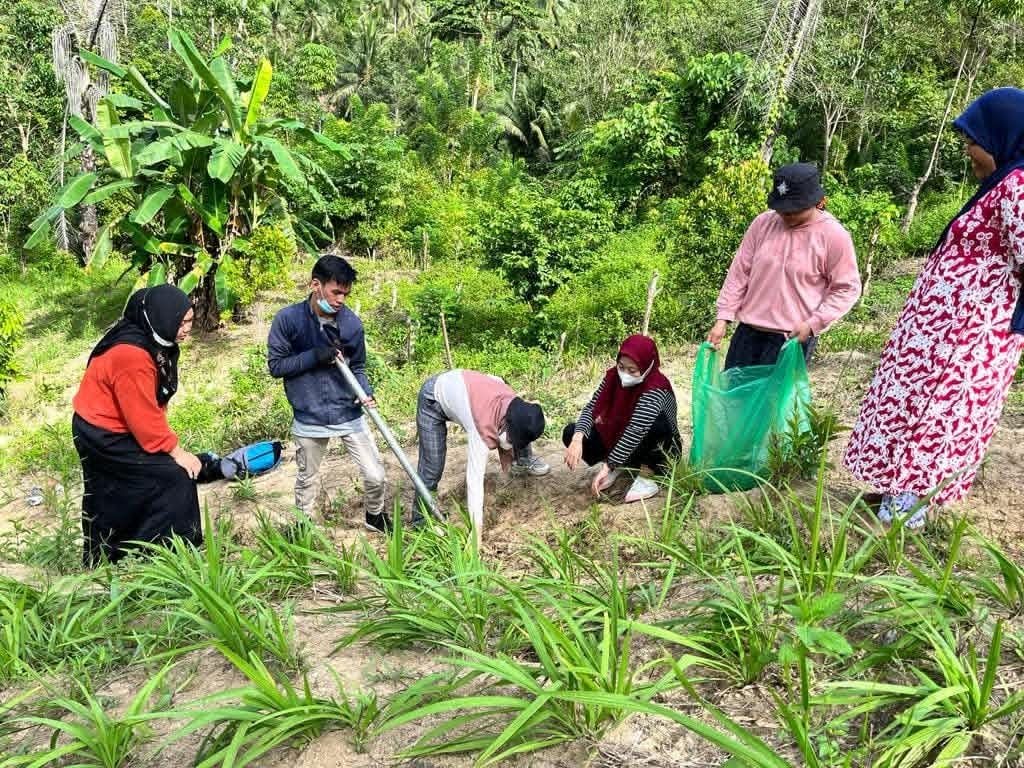
Village Women and the Forest: From Limited Space to Strategic Roles
The journey for women to achieve strategic roles has not always been smooth. In rural areas, social norms and patriarchal culture still limit women's involvement in the public sphere. In some regions, women's participation in formal village forums remains limited, sometimes only to the extent of attending without being actively involved in decision-making.
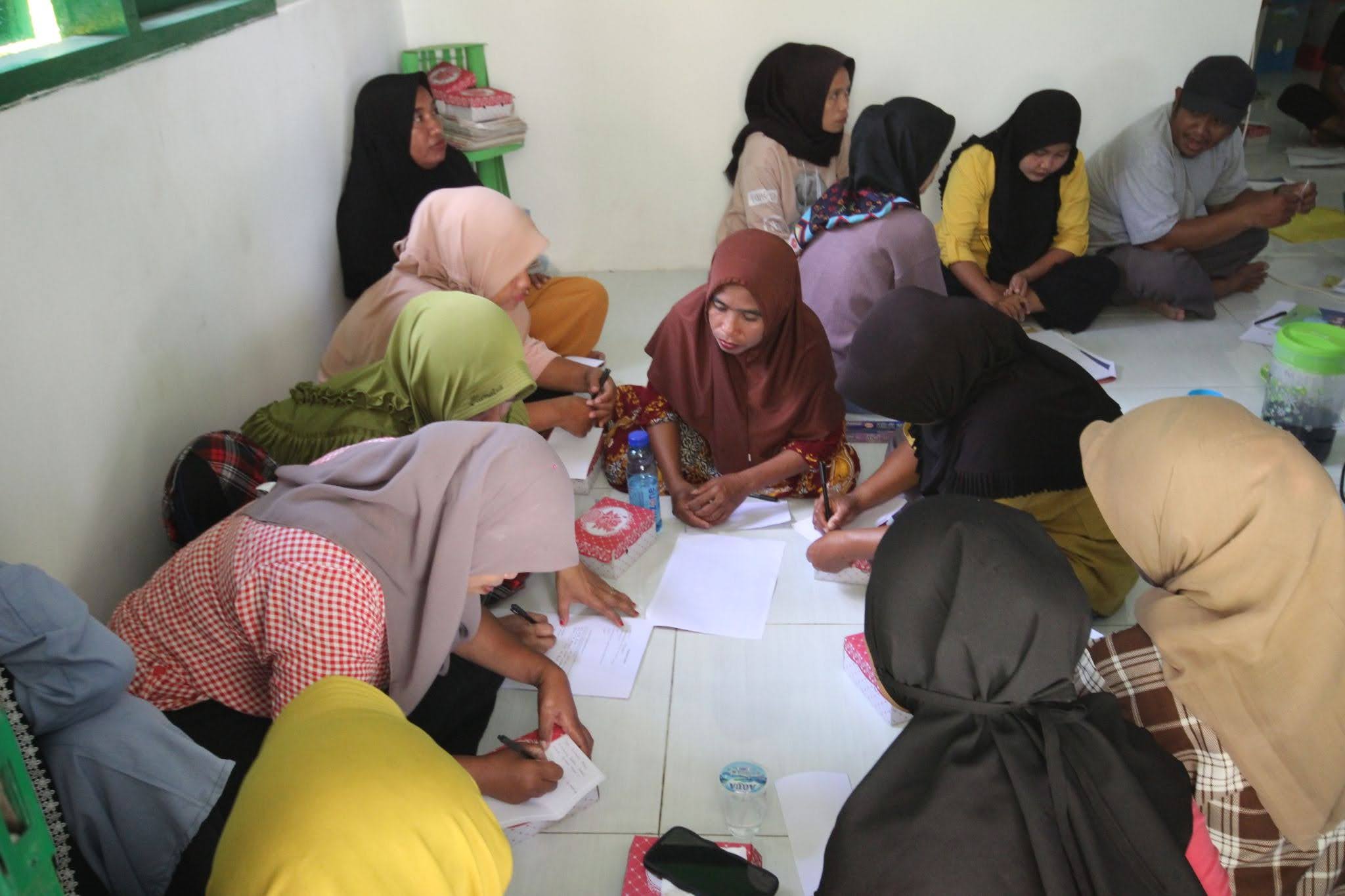
These limitations are compounded by low gender literacy and social restrictions, such as the limited mobility of women at night. In fact, many village forums and discussions are held after a full day of activities. Nevertheless, change is beginning to show. Through inclusive approaches such as social mapping, capacity building, and involving women in strategic groups, space for participation is slowly opening up. Women are starting to get involved in Social Forestry Business Groups (KUPS), Village Forest Management Institutions (LPHD), and village discussion forums.
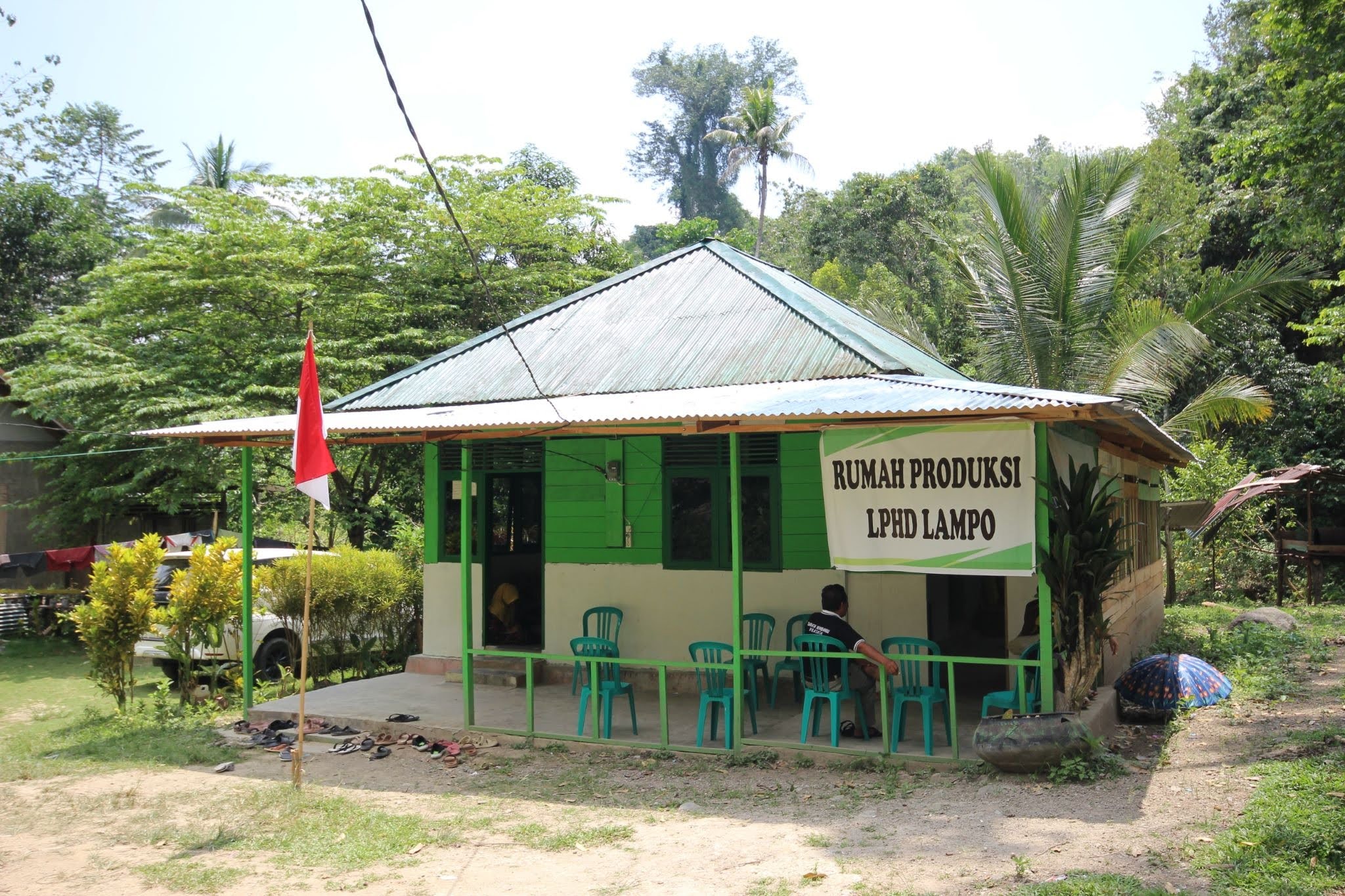
Data from 2022–2025 shows that women's involvement in Climate Village Program (ProKlim) activities integrated with Social Forestry in Lampo Village, Donggala Regency reached an average of 36.6%. In fact, in certain activities such as business workshops, women's participation can reach more than 65%. This figure may not be ideal yet, but it is enough to show that change is underway.
Sustainable Economy Growing from Nature
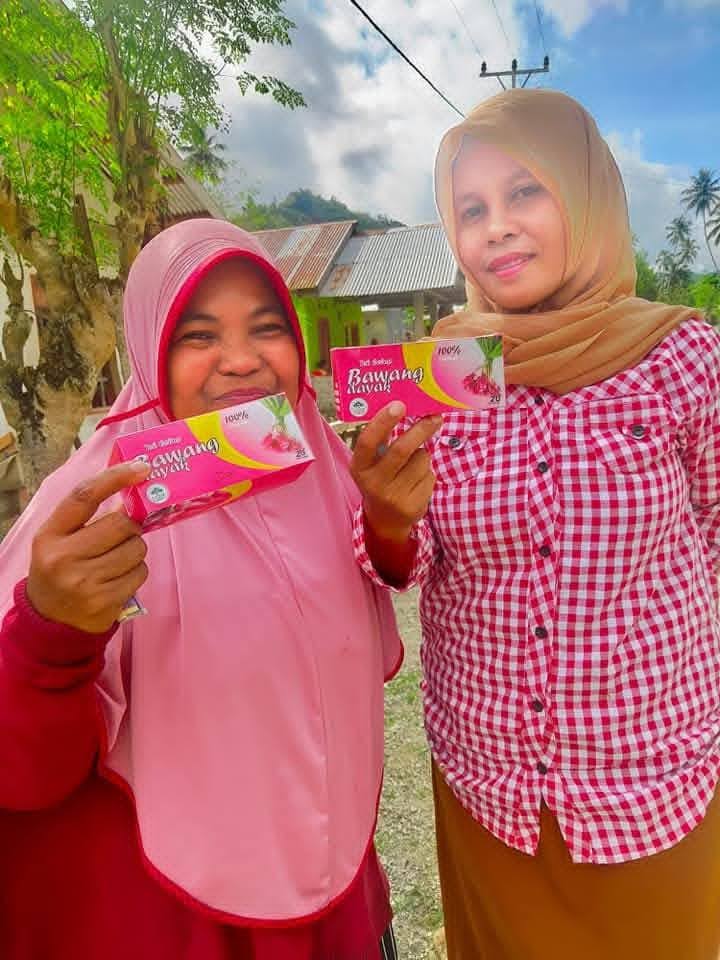
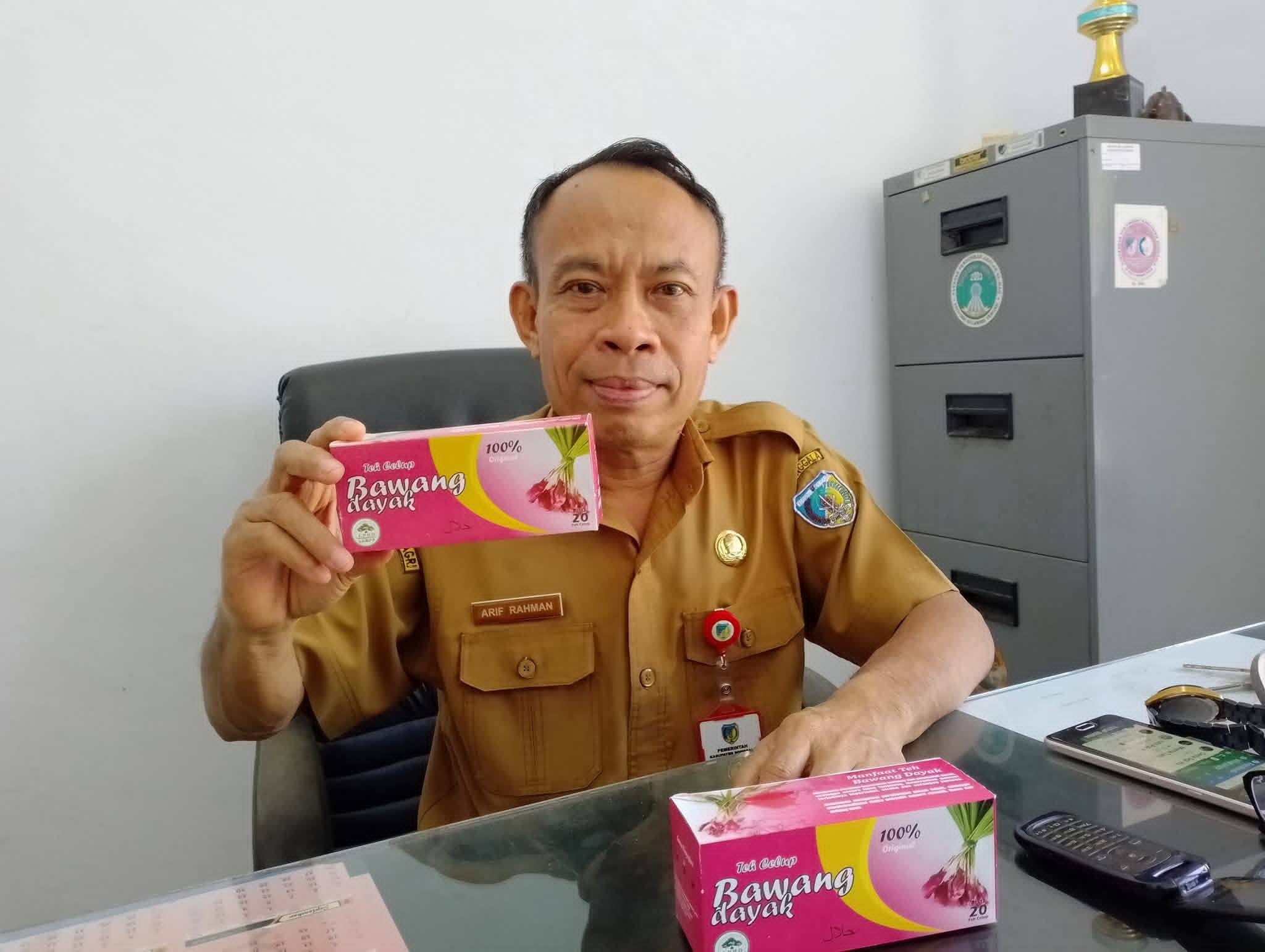
In Lampo Village, women are not only involved in discussions, but also become key actors in forest-based economic development. One example is the processing of Dayak onions into herbal tea.
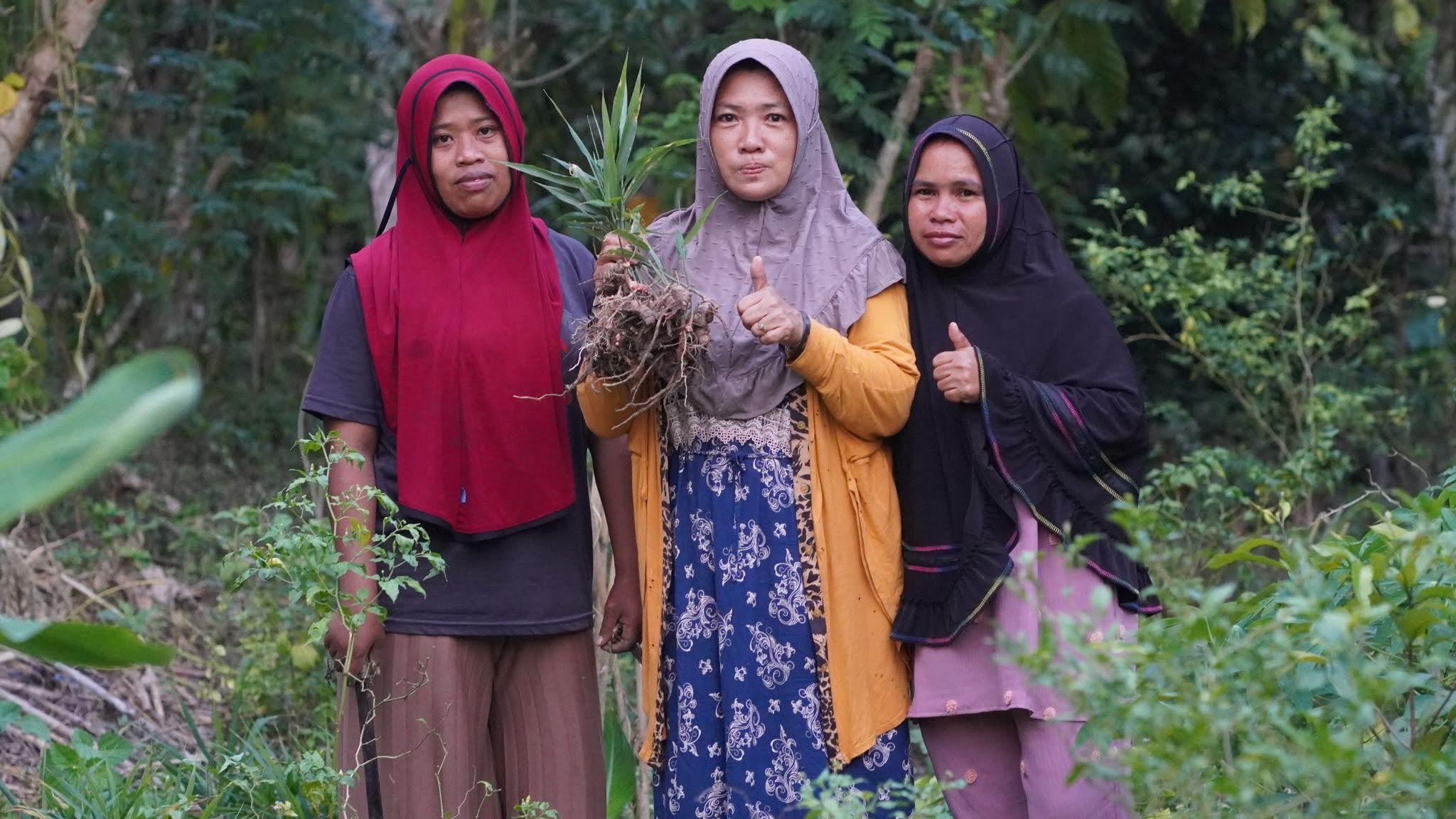
From 40 kg of Dayak onion tubers, the women of Lampo Village successfully processed them into 80 boxes of Dayak onion tea. Priced at Rp25,000 per box, this business managed to yield a profit of around Rp1,000,000. Not only marketed around the village, Dayak onion tea has reached various regions in Sulawesi, such as Palu City, and even as far as Jakarta. A portion of the sales proceeds is stored as group funds, while the rest helps increase income and support the family economy. This livelihood development not only increases household income, but also strengthens the local economy and encourages the diversification of livelihood sources. Moreover, the involvement of women in economic activities also boosts self-confidence and encourages them to be more active in decision-making.
The Importance of Climate Finance
The story of the women from Lampo Village shows that solutions to the climate crisis already exist and often come from local communities. However, these efforts cannot stand alone. This is where the importance of climate finance comes in. Addressing the climate crisis is not just a matter of individual action, but also about how the flow of funds and investments are directed. Equitable climate finance can support the protection of forests and ecosystems, strengthen the roles of and open access for Indigenous and local communities, and ensure policies based on social and environmental justice.
Our Power, Our Planet: Time to Act Together
The momentum of Kartini Day on April 21 and Earth Day on April 22 reminds us that change requires collaboration. Village women have proven that they are part of the solution to protect forests, strengthen the economy, and nurture life. Now, the challenge is how to expand support for them. Therefore, we all have a role to play in supporting inclusive and gender-based policies, promoting a sustainable economy, and amplifying women's voices in decision-making because, in the end, the future of the earth is not determined by just one party.